Remember when watching backyard birds meant tossing out some stale bread and hoping for the best? Those days are long gone.

The Camera Feeder We Use In Our Own Backyard
See Today's PriceToday’s backyard bird hosting is practically an Olympic sport, complete with specialty feeds, designer baths, and more gadgets than a SkyMall catalog. But before you crown yourself the Snow White of the suburbs, you might be making some classic blunders that turn your welcoming sanctuary into more of a fowl faux pas.
Save this article for later so you don't lose it. Enter your email and I'll send it to you now—plus you'll get my favorite backyard birding tips delivered to your inbox.
Your Feeders Are a Fast-Food Drive-Through for Squirrels

Not every product that is advertised as “squirrel-proof” will really do the job of keeping squirrels out of your birdfeed. However, there are definitely strategies for protecting your birds’ food from squirrels.
While squirrel baffles are great, squirrels might be able to find their way over them. Motorized squirrel-proof spinning feeders’ batteries may die or not always perfectly sense the weight on their base.
Squirrels can develop a taste for safflower or get used to the smell of soap. This stuff happens.
That Plastic Bird Bath Is Basically a Heat Lamp

That lovely plastic bath sitting in direct sunlight isn’t the refreshing oasis you imagine. On hot summer days, it’s heating up faster than asphalt in August, turning your well-intentioned watering hole into bird soup.
No wonder the only visitors are the occasional desperate bee.
You’re Running a Starling-Only Social Club

The European starling is an invasive species introduced to North America during the 19th century. Since then, they’ve been one of the most common species on the continent.
These aggressive birds are considered a nuisance and will scare away smaller birds from feeders.
Your Bargain Birdseed Is Actually Just Floor Sweepings

If you are purchasing a low-quality mixed blend of birdseed, milo, red millet, wheat, barley, and oats are likely in the mix, which are all seeds that very few backyard birds will eat, if any at all.
You’re Running a Year-Round All-You-Can-Eat Buffet

Think more food means more birds? Your generosity might be doing more harm than good.
Constantly full feeders can make birds dependent on your handouts and spread disease faster than gossip at a church picnic. Sometimes, tough love means letting them forage naturally.
Those Mirrors Are Giving Birds an Identity Crisis

The male Northern cardinal is extremely territorial. He will attack anyone who comes near his nest.
Get our free Hummingbird Attraction Guide! Plus, we'll send you our best tips for attracting more birds to your yard.
It’s fairly common for birdwatchers to spot a male fighting his own reflection in mirrors or windows! If you can find a bunch of mirrors, you can hang them, prop them up on your porch railing, or attach them to your siding.
They serve the same purpose by blasting sunlight back out. Not to mention if a bird catches its reflection, it might not want to come back because it may think it’s a potential competitor.
If you can find cool frames, this method might have a really cool aesthetic and be one of the more visually appealing options.
Your Natural Garden Is a Five-Star Restaurant for Cats

When it comes to causes of death for wild birds, cats are in a category of their own. Cats are by far the top killer of wild birds, not including natural deaths, in the United States.
Make sure your bird feeders are placed far enough from dense cover like shrubs so that birds can escape predators such as cats. 10 feet is a good distance.
The Water’s Deeper Than the Titanic

Adding rocks and pebbles to the bottom of your bird bath will give the birds some elevation if they find themselves in a deeper bird bath than usual.
You’ve Created an Accidental Hawks’ Hunting Ground

Some hawks can be found perched low in forests, feeding on songbirds, so if you have a feeder in your backyard and one of these birds is around, you might want to take it down until this bird of prey finds a new hunting ground. Unlike most hawks found in Alabama, these are permanent inhabitants of the state.
That Old Bread Is About as Nutritious as Cardboard

A diet high in carbohydrates like bread and popcorn can lead to starvation and deformities. Birds may feel full on a stomach full of carbohydrates, but they’re likely not getting the essential nutrients they need to survive.
Humans understand that we need certain nutrients to thrive, but it’s not always apparent to birds. And they’re not the only wildlife that experiences this.
Your Feeders Are a Petri Dish of Bird Flu

When was the last time you gave those feeders a good scrub? If you can’t remember, you’re basically running a bird version of a sketchy restaurant with a “C” health rating.
Those dirty feeders are spreading more germs than a preschool during flu season.
The Perfect Location Is Actually a Window Death Trap

There is always a risk to putting a birdfeeder on your window. Sometimes, birds will not gauge the distance correctly or will not see the window, and they may strike the glass and become injured or stunned.
If you use a window feeder, consider putting decals and clings in your window so that it is more visible to the birds it attracts. There is a “sweet spot” for placing feeders near windows, though.
If the feeder is very close to the window, birds departing your feeder won’t be able to obtain much speed. If they hit the window, they won’t be flying very fast when it happens!
A feeder that is within 3 feet of your window is safer than one that is 5 or 6 feet away.
Those Decorative Strings Could Be Tiny Leg Traps
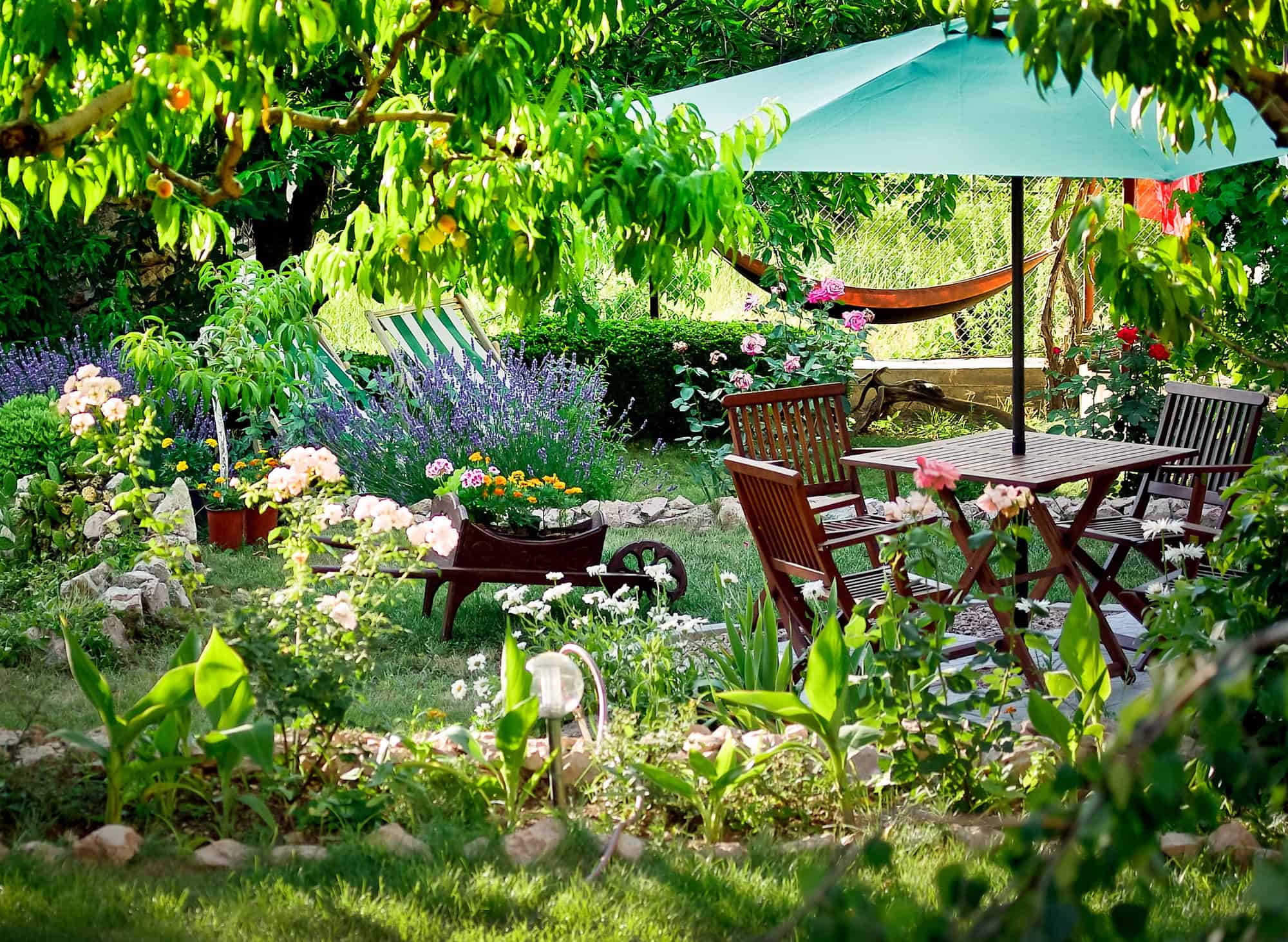
Those charming garden twine and decorative strings might look Pinterest-worthy, but they’re a hazard waiting to happen. Loose fibers can entangle tiny bird feet faster than your grandmother’s knitting needles at a quilting bee, turning your garden into an accidental snare.
Your “Helpful” Nesting Materials Are a Hazard

Leaving dryer lint and yarn scraps for nest building might seem thoughtful, but you’re essentially offering birds construction materials that could collapse in the rain. It’s like building a house with cotton candy—creative but definitely not up to code.
The Feeders Are Playing Musical Chairs

Cramming all your feeders into one small area is like hosting a dinner party with all the chairs bunched in one corner. Different bird species have different comfort zones, and your crowded setup is causing more drama than a reality TV show.
Mistakes that drive birds away
| What you see | Likely cause | What to do |
|---|---|---|
| Squirrels on the feeder | Not every squirrel-proof product works | Use baffles and spinning feeders, and accept some failure |
| Only starlings | They scare smaller birds off feeders | Stop running a starling buffet |
| Uneaten cheap mix | Milo, red millet, wheat, barley, and oats as filler | Skip low-quality blends those birds will not eat |
| Birds fighting glass | Males attack their reflection | Do not prop mirrors where territorial birds can see them |
| Cats in the garden | Cats are the top killer of wild birds in the US | Keep feeders about 10 feet from dense cover |
| A too-deep bath | Birds cannot stand comfortably | Add rocks and pebbles for footing |
| A hawk at the feeder | A backyard feeder becomes a hunting ground | Take the feeder down until the hawk moves on |
| Bread on the lawn | Bread and popcorn fill birds without nutrients | Stop offering bread |
| Window strikes | Birds misjudge distance or miss the glass | Keep feeders very close (within 3 feet) if they are by a window |
📷 Show us your feeder setup! Share a few photos of your feeders and you might be featured on Wild Bird Scoop. Share your setup →