Remember when gardens weren’t pristine patches of mulch and manicured lawns? Back when our grandparents knew which “weeds” were actually nature’s helpers? Today’s smartest bird watchers are rediscovering these forgotten garden allies, proving that sometimes the best bird sanctuaries grow wild and free.

The Camera Feeder We Use In Our Own Backyard
See Today's PriceThe Purple Powerhouse Your Grandmother Called ‘Wild Violets’

Those dainty purple faces popping up in your lawn aren’t just pretty – they’re bird magnets. Wild violets host specific caterpillars that become prime protein snacks for nesting birds, while their seeds attract mourning doves and juncos. Plus, those heart-shaped leaves create perfect ground cover for shy ground-feeding birds.
Save this article for later so you don't lose it. Enter your email and I'll send it to you now—plus you'll get my favorite backyard birding tips delivered to your inbox.
Dandelions: Nature’s 5-Star Bird Restaurant

Before we declared war on these sunny warriors, goldfinches would flock to our yards for their fluffy seed heads. The entire plant is a bird buffet: early spring flowers feed hummingbirds, summer seeds attract finches, and those deep tap roots bring up nutrients that benefit all wildlife.
Queen Anne’s Lace: The Butterfly (and Bird) Palace

Those delicate white umbrellas aren’t just pretty – they’re nature’s perfect perch-and-snack stations. Birds use the sturdy stems as hunting posts, while the flower heads attract insects that become bird snacks. In winter, the dried stems create natural bird condos, offering shelter during storms.
That ‘Pesky’ Clover Your Neighbors Keep Fighting

While your neighbors wage chemical warfare on their clover, you’re secretly hosting a bird bistro. Those tiny white flowers attract insects that become perfect protein snacks for chickadees and wrens. In autumn, finches go crazy for the dried seed heads, turning your “weedy” lawn into their favorite dining spot.
The Towering Thistle That Goldfinches Can’t Resist

Those spiky sentinels might look threatening to us, but to goldfinches, they’re pure gold. Watch as these bright yellow acrobats dangle from the purple blooms, feasting on seeds. Even better? The fluffy down makes perfect nest-building material in spring.
Get our free Hummingbird Attraction Guide! Plus, we'll send you our best tips for attracting more birds to your yard.
Those ‘Messy’ Pokeweed Berries Cardinals Go Crazy For

Those tall purple stems loaded with ink-dark berries might stain your fingers, but they’re five-star dining for cardinals, mockingbirds, and catbirds. Each autumn, these magnificent plants become natural bird feeders, offering vital energy for the migration season.
The Plantain Weed That’s Actually a Bird Salad Bar

Remember that broad-leafed plant Grandma used for “drawing out splinters”? Those spiky seed heads are actually perfect bird food, especially for sparrows and finches. The low-growing leaves also shelter ground-feeding birds, making your lawn a cozy dining room.
Nature’s Bird Feeder: Common Lamb’s Quarters

This silvery-leafed “weed” produces thousands of tiny seeds that wild birds absolutely adore. Watch as sparrows and juncos perform aerial acrobatics to reach the seed heads. Even better? The plant attracts insects that become perfect protein snacks for nesting parents.
The Chickweed That Keeps Chickadees Coming Back

There’s a reason it’s called chickweed! These low-growing plants with tiny white flowers are natural bird magnets. Their seeds are particularly beloved by chickadees (naturally), finches, and towhees, while the dense growth provides perfect cover for shy birds.
Your Grandfather’s Favorite ‘Weed’: Purslane
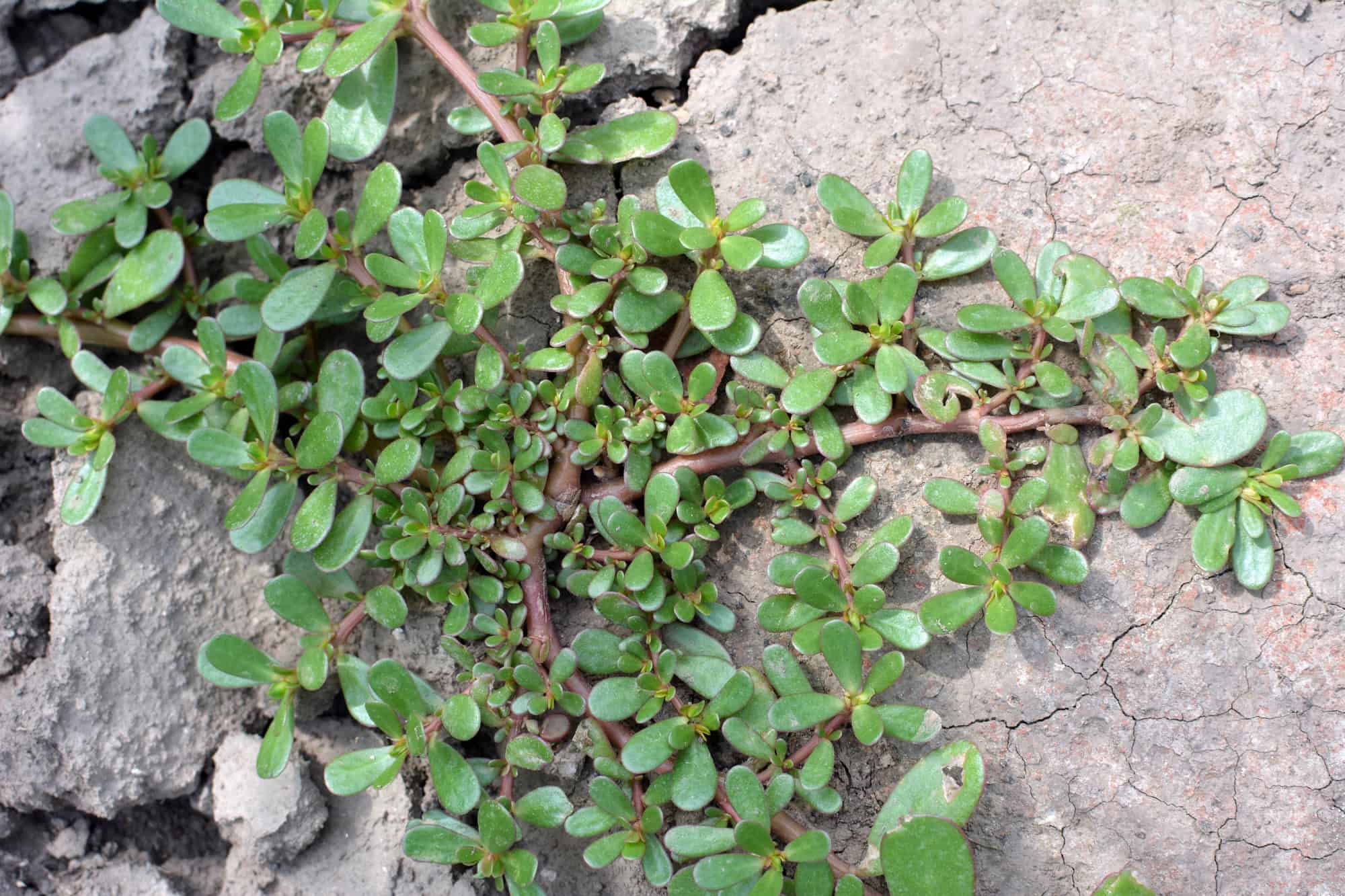
This succulent groundcover might be the bane of pristine lawns, but it’s a blessing for birds. Its tiny black seeds are like caviar to small songbirds, while its sprawling nature creates perfect hideouts for ground-feeding species. Plus, those fleshy leaves help maintain soil moisture that earthworm-hunting robins love.
Evening Primrose: The Night Shift Bird Magnet

Those tall stalks with yellow flowers that bloom at dusk aren’t just pretty – they’re working overtime for your garden birds. The seeds persist through winter, providing crucial food when other sources are scarce. Early morning bird watchers often catch finches and sparrows breakfasting on these natural feeders.
The Dock Weed That’s Really a Finch Buffet
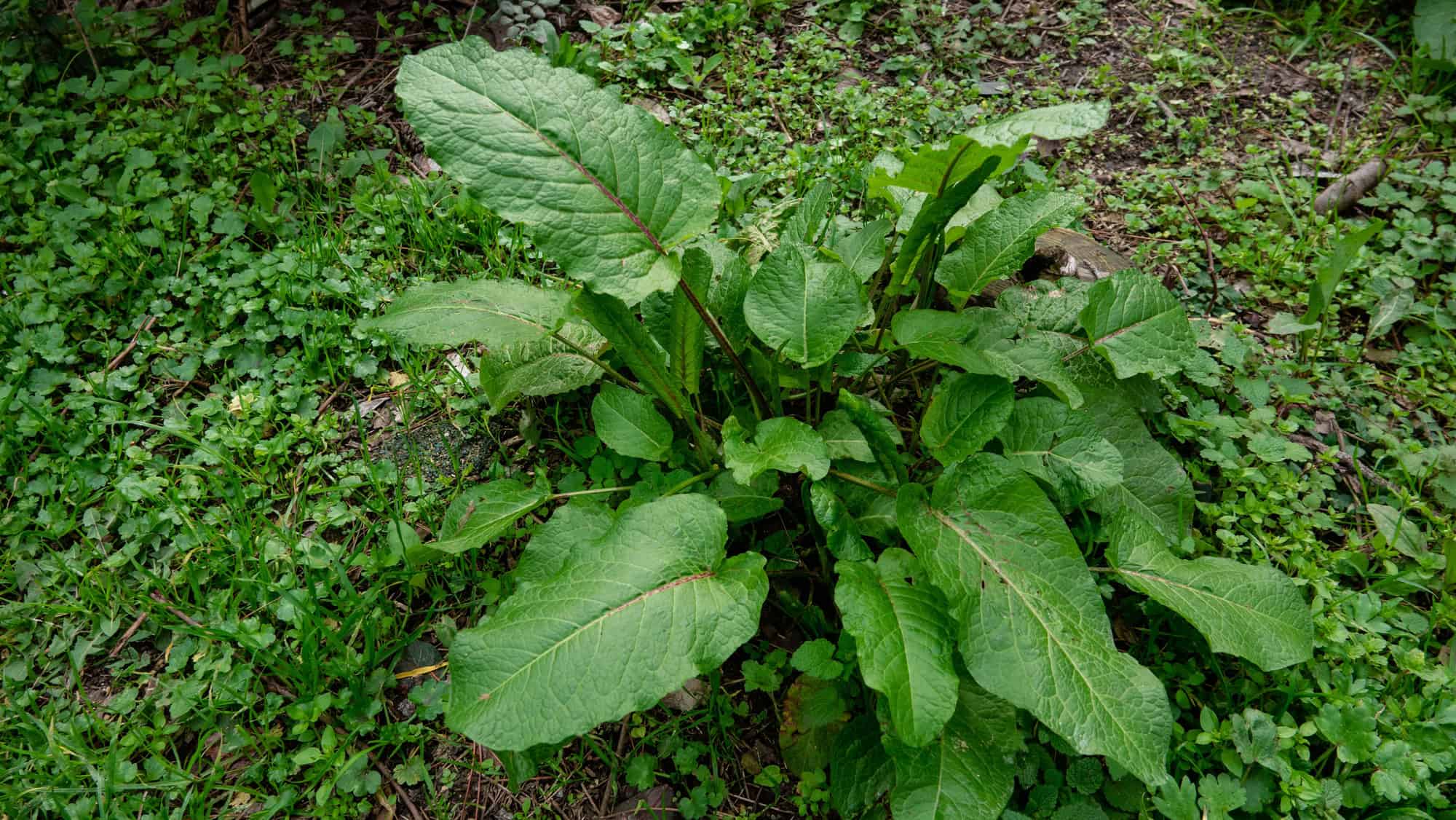
Those rusty-brown seed heads that persist through winter? They’re actually nature’s bird feeders. Finches and sparrows cling to the sturdy stalks, feasting on the abundant seeds. The deep roots also help maintain healthy soil, supporting the insects that birds need to feed their young.
📷 Show us your feeder setup! Share a few photos of your feeders and you might be featured on Wild Bird Scoop. Share your setup →