Think about when your backyard was a peace zone for your family and all the critters in nature? In the past, we designed areas that made birds feel as welcome as relatives visiting for dinner on Sunday. I would like to pass on some peaceful garden tips that my grand parents taught me. These tips will help create a sense of safety that will draw the birds to our backyards again.

Bring Hummingbirds Right To Your Window!
Check Price1. Create Dense Shelter Zones

Birds like to feel hidden and safe just like we did as kids playing in secret hideaways. Create a dense planting area by using shrubs and other plants to create multiple resting and escape spots. Use varying plant heights to mimic what nature typically provides.
Save this article for later so you don't lose it. Enter your email and I'll send it to you now—plus you'll get my favorite backyard birding tips delivered to your inbox.
2. Protect Yourself and Your Baby Food Stations

Position the feeders close to protective cover, but not too close to the cover that the predators can use it as an ambush. Don't forget to add baffles above and below the feeders to keep squirrels and other unwanted visitors away. Just like Mom taught us to take care of our things, we need to keep the feeders clean and in good repair.
3. Minimize Your Proximity to Windows

To prevent bird-window collisions, install feeders less than 3 feet or more than 30 feet from the windows. Also, window decals and screens are like safety signs for birds on the neighborhood road.
4. Create Multiple Water Sources

Vary the water depths and locations around your garden. Some birds prefer shallow water and others like deeper baths. Keep water sources clean and fresh. Also, consider adding a moving water feature. The sound will make birds feel more safe and secure.
5. Build Natural Fencing
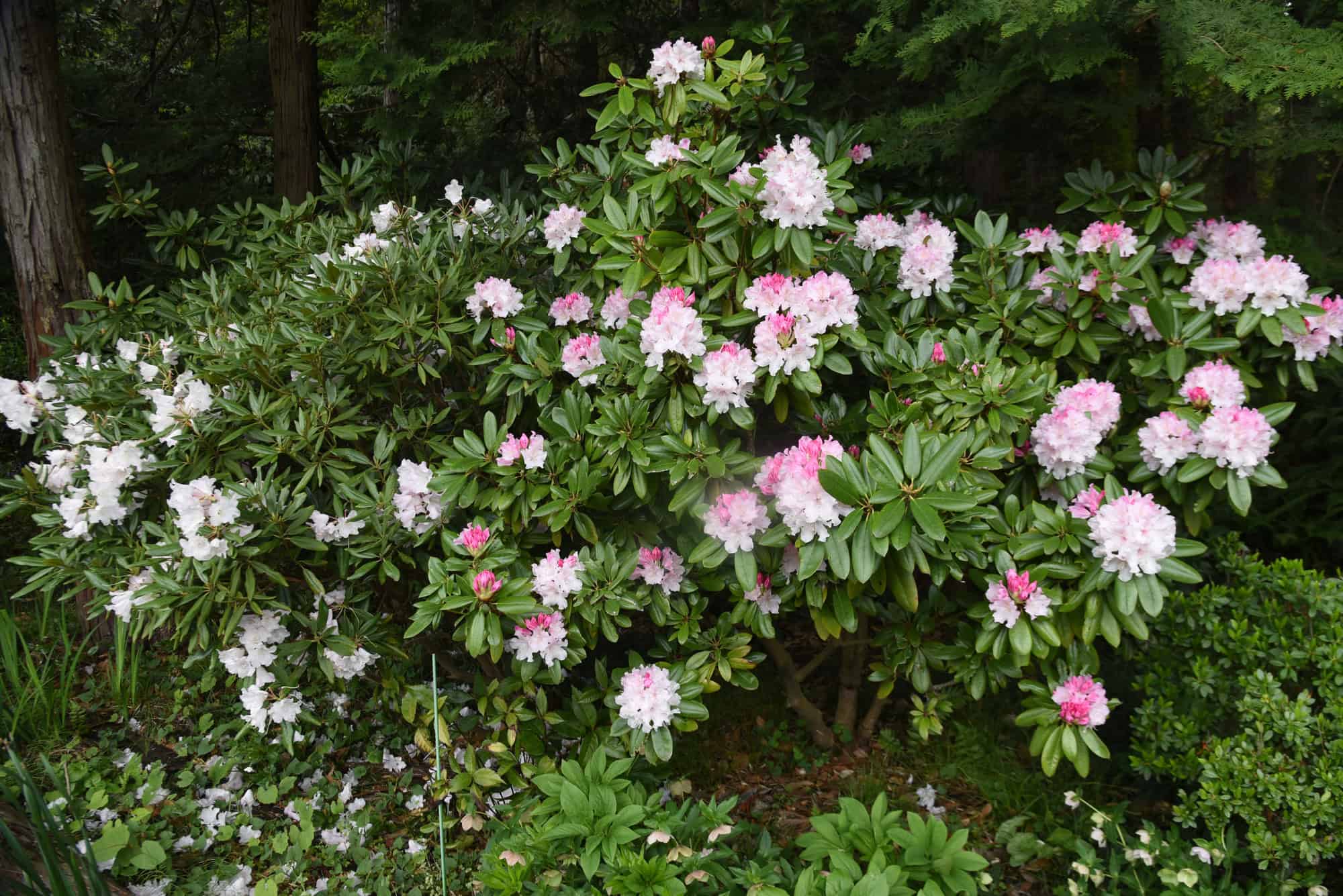
Living barriers can be formed by using native trees and shrubs. These natural barriers also create food and shelter for birds. They are similar to the old hedgerows that used to be along country roads, providing food and shelter to animals.
Get our free Hummingbird Attraction Guide! Plus, we'll send you our best tips for attracting more birds to your yard.
6. Establish Quiet Zones

Think of the quiet areas of our childhood gardens and create locations free from human intervention. Separate bird-friendly areas from play and busy walking zones. During nesting season, birds will appreciate these quiet zones.
7. Install Smart Lighting

To reduce light pollution, use downward facing lighting and use motion sensors for lighting activation. During migration, bright lights can confuse and disorient birds. Natural darkness is what birds prefer. Remember how we used to see more stars before cities lit up?
8. Provide Ground Cover

Low-growing plants and natural mulch provide safe foraging spots for ground-feeding birds. This type of dense coverage protects birds foraging from aerial predators, reminiscent of the wild meadows we played in as children.
9. Create Emergency Shelters

Construct brush piles in remote locations using tree limbs and sticks. These natural hideaways create cover to obtain immediate protection from sudden threats or storms. Think of those old storm cellars our grandparents had — always there when they were needed.
10. Maintain Clear Flight Paths

Establishing open passages between feeding and shelter sites is important. Birds need unobstructed escape routes whenever predators are present. Consider them the avian equivalent of the old neighborhood shortcuts we knew by heart.
11. Add Protective Nesting Boxes

As if we were caring for each other in the old days, we also have to ensure the birds' safety by providing them the adequate nesting boxes that have been fitted with predator guards. For these nesting boxes to be most effective, we need to mount them facing either east or southeast, as this orientation shields them from the dominant winds.
12. Keep Cats Away

You can use natural deterrents such as thorny plants or even motion-activated sprinklers to keep cats away. Although we love cats, they are one of the most significant dangers to the birds in our gardens. To protect the birds, we must make areas that are free from cats.
13. Offer Year-Round Protection

Your garden can supply shelter all year round. For example, Evergreens offer refuge in winter while Deciduous plants offer shade in summer and berries in fall. This is a little like how our parents made sure we were kitted out regardless of the weather.
14. Create Diverse Habitats

Incorporate different plants and structures to provide for a range of bird species. Use a variety of trees, shrubs, and ground cover as well as open spaces. Your description brings to mind the diverse landscapes we explored as children.
15. Maintain Regular Routines

Maintain a consistent and gentle schedule for garden maintenance. Just like we appreciated consistency in family routines growing up, birds enjoy predictability too. Regular and gentle maintenance makes birds feel secure and doesn't interfere with their daily routines.