


Bread might seem like a helpful option when you see hungry birds in winter, but it’s actually one of the worst things you can offer them. It lacks essential nutrients, fills them up without providing real energy, and can even cause health problems. The good news? Your pantry and local bird supply store hold much better alternatives that truly help birds survive cold weather and lean seasons.
Sunflower Seeds for Winter Energy

Save this article for later so you don't lose it. Enter your email and I'll send it to you now—plus you'll get my favorite backyard birding tips delivered to your inbox.
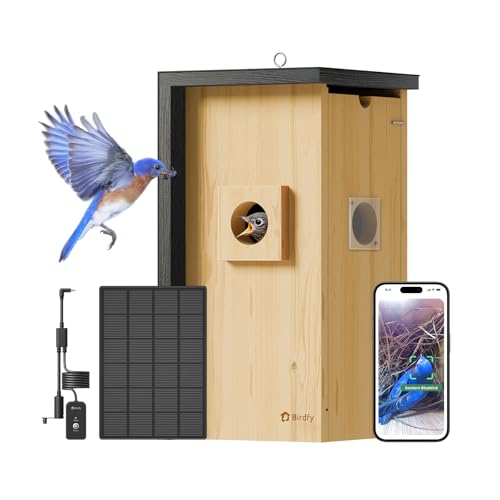
Birdfy Solar Powered Bird House with Camera
Check PriceBlack oil sunflower seeds are the gold standard for backyard bird feeding, and for good reason. These small, energy-dense seeds pack serious calories and healthy fats that help birds maintain their body temperature during freezing nights. Cardinals, chickadees, nuthatches, and woodpeckers all love them, making sunflower seeds one of the most versatile options you can offer. The thin shells are easy for most birds to crack, and the high oil content provides the sustained energy birds need when natural food sources are buried under snow. You can offer them in hopper feeders, tube feeders, or even scattered on platform feeders for ground-feeding species like juncos. Keep the seeds dry and fresh—moldy seeds can harm birds—and you’ll attract an impressive variety of species all winter long. It’s an affordable, accessible option that works.
Suet Cakes for High-Calorie Nutrition

Get our free Hummingbird Attraction Guide! Plus, we'll send you our best tips for attracting more birds to your yard.
Suet cakes deliver concentrated calories in a form that closely mimics the insects and larvae many birds would naturally eat. Made from rendered beef fat mixed with seeds, nuts, and sometimes dried fruit, these cakes are especially valuable during winter when birds burn through energy reserves quickly. Woodpeckers, nuthatches, chickadees, and even bluebirds will visit suet feeders regularly. You can find suet cakes at most garden centers and bird supply stores, or make your own using lard, peanut butter, and birdseed. Hang them in wire cage feeders designed specifically for suet—this keeps larger birds from consuming everything at once and prevents the suet from falling apart. During warmer months, look for no-melt suet formulas that won’t turn rancid in the heat. This simple addition to your feeding station provides critical nutrition when birds need it most.
Nyjer Seed for Finches and Goldfinches

Nyjer seed, sometimes called thistle seed, is the preferred food for American goldfinches, house finches, and pine siskins. These tiny black seeds are rich in oil and protein, offering excellent nutrition for small birds with high metabolisms. While nyjer seed requires specialized tube feeders with small ports to prevent waste, the investment is worth it when you see a flock of bright goldfinches clustering around your feeder. The seeds don’t germinate in most climates, so you won’t end up with unwanted plants sprouting beneath your feeders. Buy nyjer seed from reputable sources and store it in a cool, dry place—fresh seed matters, as finches will ignore stale or spoiled offerings. Expect to refill feeders frequently during peak seasons; finches are enthusiastic eaters. Adding a nyjer feeder to your yard creates a dedicated feeding station that attracts species you might not otherwise see.
Whole Grains and Soaked Kibble for Waterfowl

If you’re hoping to help ducks, geese, or swans, whole grains like oats, wheat, barley, and corn are far superior to bread. These grains provide actual nutritional value without the empty calories and digestive issues bread causes. You can offer them dry or briefly soaked in water to make them easier to digest. Thawed frozen peas and corn are also excellent choices for waterfowl. Some wildlife organizations recommend cracked corn scattered on the ground or floating waterfowl pellets designed specifically for ducks and geese. Avoid feeding waterfowl in areas where large congregations can damage habitat or spread disease, and never feed birds in a way that makes them dependent on humans or less wary of predators. Small amounts of appropriate food during harsh weather can genuinely help, but the goal is always to supplement natural diets, not replace them. Think moderation and quality over quantity.