Every spring, millions of Americans wage chemical warfare against their own yards in pursuit of the ‘perfect lawn.’ But what if that emerald carpet of grass is actually an ecological disaster disguising itself as curb appeal?

The Camera Feeder We Use In Our Own Backyard
See Today's PriceTraditional lawn care relies on a cocktail of herbicides, pesticides, and fertilizers that create a sterile monoculture where virtually nothing can survive except grass. Meanwhile, the wildlife that once thrived in these spaces – from soil microbes to migrating birds – disappears entirely.
Save this article for later so you don't lose it. Enter your email and I'll send it to you now—plus you'll get my favorite backyard birding tips delivered to your inbox.
The good news? You can create stunning outdoor spaces that look amazing while actually supporting the creatures wildlife depends on to survive.
Why Traditional Lawns Are Wildlife Wastelands
Of course, you should also make sure you always garden organically. Don’t use harmful synthetic fertilizers, pesticides, or herbicides that may harm the birds and other wildlife that visit your garden.
Remember, how you combine your plants are also important. Consider eco-friendly and sustainable schemes in place of water-guzzling and biodiversity sapping manicured lawns.
Food forests, rain gardens, and other perennial native planting schemes all provide a boon to wildlife – hummingbirds included.
Clover Lawns That Feed Wildlife
You can attract Eastern meadowlarks to your yard by planting native plants such as sunflowers, clover, and grasses. You can also put out a bird feeder filled with seeds.
Caring for the Eastern meadowlarks in your yard may help the species as a whole, as their population in Georgia has been steadily declining. Grass can add fiber to a bird’s diet.
However, there are a number of potential dangers associated with this common plant. For one, many people treat their lawns with pesticides and weed killers which can be toxic to birds.
Native Wildflower Meadows
Perhaps the very best habitat to attract and support hummingbirds is a wildflower meadow. Even if you only have a small backyard, planting a small area of wildflowers can do wonders for native birds, as well as insects, amphibians, reptiles, and mammals.
Get our free Hummingbird Attraction Guide! Plus, we'll send you our best tips for attracting more birds to your yard.
A great way to establish a wildflower meadow is to sow seeds on bare ground on poor-quality soil. In these conditions, wildflowers are likely to outcompete grasses and bloom heavily.
It is a great idea to replace lawns or other ecologically barren garden schemes with rich, diverse, and layered planting to create wonderful habitats for hummingbirds and other wildlife to enjoy. Forest gardens, rain gardens, and wildflower meadows are just some eco-friendly garden schemes to consider.
Moss Gardens: The Low-Maintenance Marvel
In shady areas where grass struggles, moss creates lush green carpets that thrive without fertilizers, pesticides, or frequent watering. Moss absorbs air pollutants, prevents soil erosion, and provides habitat for tiny beneficial creatures that control garden pests.
Encourage existing moss by removing grass and keeping soil slightly acidic. Moss gardens work particularly well under trees where traditional lawns fail, creating peaceful spaces that require minimal upkeep.
Ground Cover Plants
Replace grass with spreading native plants that form dense living carpets while supporting wildlife. Wild ginger, creeping phlox, and native sedums provide flowers for pollinators, berries for birds, and year-round ground coverage.
These plants suppress weeds naturally, require less water than grass, and many tolerate foot traffic surprisingly well. Choose varieties native to your region for best results and maximum wildlife benefits.
Pollinator Pathways
Create connected corridors of pollinator-friendly plants throughout your yard instead of maintaining large lawn areas. These pathways link your garden beds while providing crucial habitat for butterflies, bees, and hummingbirds moving through your neighborhood.
Plant native flowering trees, shrubs, and perennials in flowing curves rather than rigid lines. This design approach supports wildlife migration while creating visually appealing landscapes that change with the seasons.
Food Forest Understory
You might also include sunflowers in edible landscaping or an eco-friendly and wildlife-friendly forest garden – a type of planting scheme that hummingbirds, other birds, and a range of wildlife will love. Food forests, edible landscaping with native plants, and polyculture planting schemes can help you obtain a good yield and green urban or rural environments while caring for hummingbirds and other wildlife in your area.
Native Grass Prairies
Plant native grasses and wildflowers to attract Bobolinks to your yard.
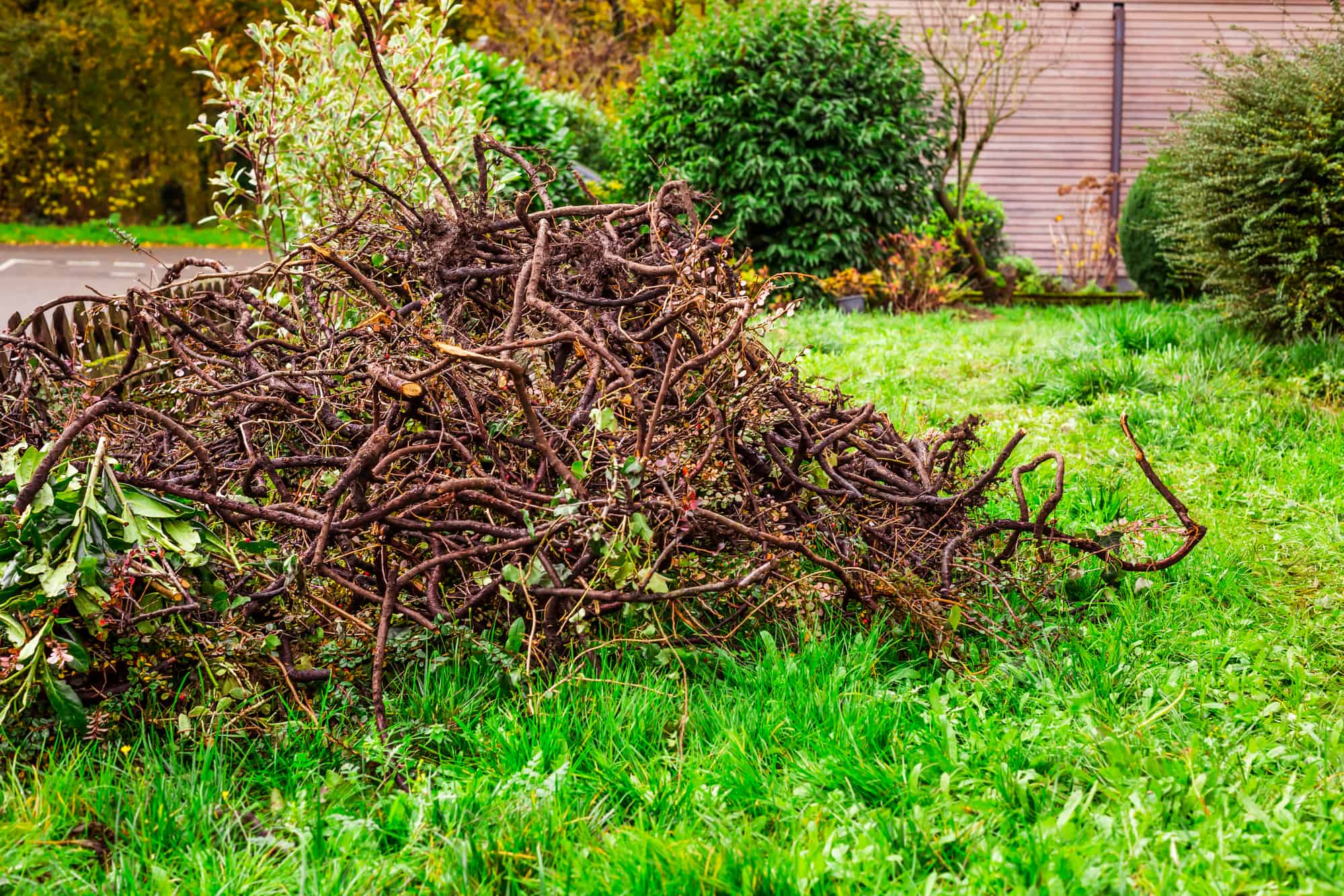
Consider creating a brush pile or leaving some areas of your lawn uncut to provide shelter for these birds.
Making the Transition
Plant native flora and avoid using pesticides on your lawn. While we think of most birds, finches included, as seed-eaters, they also eat insects in warm months.
A diverse yard full of plants and insects goes a long way to making sure birds find a suitable home in your yard. You can help reduce bird deaths in several ways, including keeping cats inside, making your windows bird-safe, planting native plants, reducing or eliminating pesticide use, and advocating for bird-safe structures to be built and bird habitats to continue to be protected.
Lawn alternatives that feed wildlife
| Spec | What our writers say |
|---|---|
| Skip on turf | No harmful synthetic fertilizers, pesticides, or herbicides |
| Instead of lawns | Food forests, rain gardens, and perennial native planting |
| Clover mix | Native sunflowers, clover, and grasses |
| Treated grass | Pesticides and weed killers on lawns can be toxic to birds |
| Meadow scale | Even a small backyard wildflower patch helps birds and other wildlife |
| How to start a meadow | Sow seed on bare, poor soil so wildflowers outcompete grass |
| Food forest | Edible landscaping and polyculture that still feed wildlife |
| Uncut shelter | Leave some lawn uncut, or add a brush pile |
| Transition | Plant natives, drop pesticides, and keep insects for warm-month feeding |
📷 Show us your feeder setup! Share a few photos of your feeders and you might be featured on Wild Bird Scoop. Share your setup →