One of the most heartbreaking things about birding is realizing just how many wild birds we’ve already lost. Over the past century, habitat loss and urbanization have decimated wild bird numbers, and have even caused some species to go extinct.

The Camera Feeder We Use In Our Own Backyard
See Today's PriceAn unprecedented scientific conservation study published in 2019 revealed that a shocking 2.9 billion birds have disappeared across the USA and Canada since 1970. Believe it or not, that’s more than one in four of all birds across the continent!
Save this article for later so you don't lose it. Enter your email and I'll send it to you now—plus you'll get my favorite backyard birding tips delivered to your inbox.
Without our support, few birds can survive in such an environment. The facts about population decline may be hard to swallow, but thankfully, we are not powerless to help wild birds ourselves!
Install Birdhouses

Because so many of the ancient trees that cavity-nesting birds relied on have been cut down, there’s now a severe shortage of suitable nest sites for species like chickadees, nuthatches, wrens, and bluebirds.
By installing birdhouses in your backyard, you’ll be offering a lifeline to pairs of birds that are desperately looking for suitable cavities to raise their young. Putting up a nest box only takes 5 minutes, and each successful brood is a massive contribution to wild bird numbers.
In a single brood, a pair of chickadees can raise more than ten offspring. Now imagine how many they can produce when given several birdhouses over several years!
Plant Native Trees, Shrubs, and Flowers

Because most backyard birds rely heavily on insects, grubs, and caterpillars to feed themselves and their young during the spring and summer, you want your backyard to be buzzing with insect life to support them.
The best way to encourage insects in your garden is to plant lots of native wildflowers, shrubs, and trees. While pollinating insects will feed even on exotic flowers, many people don’t realize that only natives will provide them with a suitable habitat to raise their young.
Most native insects will only lay their eggs on native plant species. Native wildflowers are an oasis of humming insects that will feed wild birds all summer long, and attract hummingbirds and butterflies, too. Planting native shrubs and native trees that also provide berries during the fall and winter provides the best of both worlds.
Leave Overgrown Edges of the Garden

While neat, manicured gardens may look appealing to the human eye, they present something of a desert for wildlife. By keeping grass cut short and removing dead plant material, gardeners contribute to habitat loss rather than wildlife restoration.
For the native wildflowers and weeds to produce both a habitat and feast for your local birds, you need to let them grow tall and leave their dead stems standing to offer up both seeds and insects that overwinter inside them.
Remember that wild birds have evolved alongside these plants for thousands of years, so allowing the plants to complete their full seasonal cycles is the best way to let them nourish the birds that live there.
Plant Fruit-bearing Trees and Bushes

Because habitat loss has caused the decline of so many of the fruit-bearing trees and shrubs that wild birds rely on, they now often struggle to stock up on enough food to survive the winters.
You can do a huge service to help wild birds fuel up to survive the coldest months by planting native berry bushes that fruit in autumn such as aronia, blackberries, grapes, cranberries, holly, dogwood, pokeweed, viburnum, and poison ivy (which is not toxic to birds!).
Get our free Hummingbird Attraction Guide! Plus, we'll send you our best tips for attracting more birds to your yard.
Trees with autumn fruits such as culinary apples, crab apples, pears, late plums, Sorbus species, American persimmons, and hackberries will also be greatly appreciated. Even if you harvest many of these yourself, when the trees mature, there will be plenty for the birds, too!
Boycott Chemicals
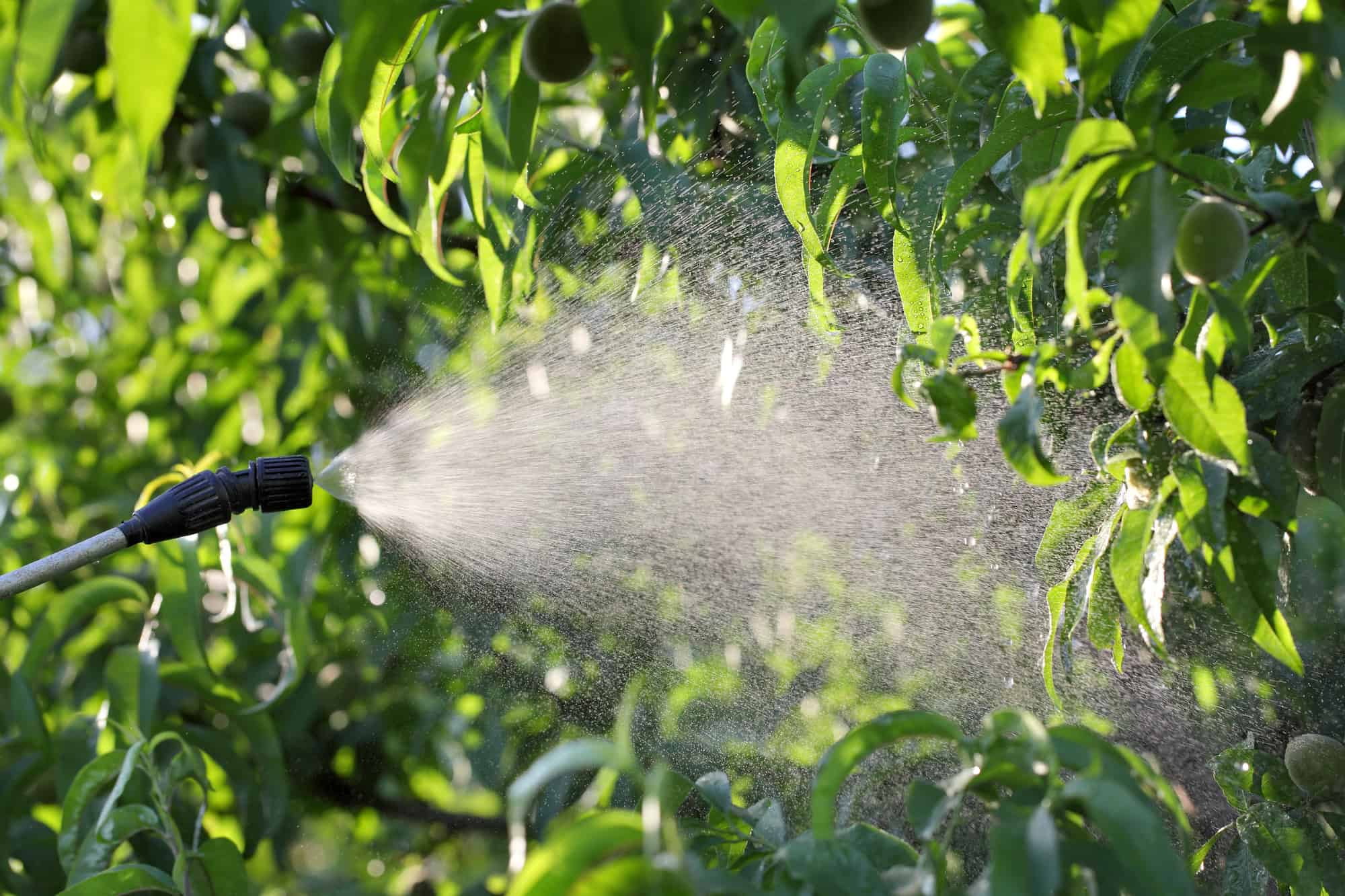
For those wishing to increase the number of birds in their backyard, one of the greatest steps to take is boycotting chemicals.
While some are safer than others, any kind of garden chemical can have a detrimental impact on wildlife. The effects of the worst insecticides are all too obvious. The dead insects poison the birds, and other birds are less likely to move into the lifeless desert left in its wake.
But it’s important to know that herbicides and fertilizers take their toll, too. By reducing the number of earthworms and microorganisms, herbicides and fertilizers deplete the base of the food chain that omnivorous birds thrive on. Fewer soil organisms mean fewer insects and fewer insects mean fewer birds.
Instead, adopt organic methods, and enrich your soil with compost and manure instead of chemicals. You’ll be amazed at how much more soil life there is, how much less you’re watering the soil, and how many more birds there are happily plucking earthworms and beetles from the ground!
Provide Freshwater

Water means life. Without freshwater, no bird can survive, and clean water sources can often become scarce in cities, especially during winter freezes.
In my work as an ecological gardener, I often tell my clients that creating a garden pond is the single greatest step they can take to foster more wildlife in their gardens.
Not only does a pond give birds a place to wash and drink from, but it also attracts a living menu of invertebrates that will support birds such as dragonflies, mollusks, and more.
In winter, when most sources of freshwater are frozen over, heated bird baths truly come into their own. By maintaining a supply of liquid water for wild birds, your garden could easily become one of the most important stop-offs for birds in the neighborhood.
Offer Shelter, Especially Evergreens!

In the wild, there are usually plenty of sheltered places where birds can escape from the bitter cold or rough, stormy conditions.
In cities, we need to make sure there are enough sheltered spots for birds to use, too. While some small birds such as wrens will use birdhouses during cold winter months, many birds feel safer congregating in evergreen shrubs and trees.
By retaining their leaves or needles throughout the year, hollies, laurels, pines, firs, and cedars can all provide a lifeline of shelter for all kinds of birds during the coldest months.
Not only useful for birds, but evergreens can also be extremely beautiful and provide a year-round screen around your property. If you select native species that also provide fruits or seeds for your birds, then all the better!
Feeding Birds

Providing a backyard habitat that produces lots of insects, fruits, and seeds for birds to eat might be the very best thing you do to support wild birds, but additional feeding can provide a lifeline, too.
At wildbirdscoop.com, we’ve written dozens of articles on the best bird foods and feeders to keep backyard birds stocked up, and you’ll likely already know that the very most important time for feeding is winter.
Calorie-rich, fatty foods like peanuts and sunflower seeds are especially useful for replacing the nuts and seeds that wild birds would have stocked up on before their native habitats were replaced by urban environments.
By offering a wide variety of bird foods and feeder types, you’ll make sure your feeding efforts reach the maximum number of bird species.
Participate in Bird Studies

Project Feederwatch and eBird are two innovative projects that allow you and me to contribute to wild bird monitoring programs.
By submitting our observations from our backyards or birdwatching outings, we feed the pool of information on bird populations so that scientists can track local trends.
With this information, conservationists have more leverage to implement effective strategies for preserving and regenerating the habitats that are so crucial for wild bird survival.
ebird.org now even has an app where you can submit birdwatching observations from your smartphone.
📷 Show us your feeder setup! Share a few photos of your feeders and you might be featured on Wild Bird Scoop. Share your setup →