It is easier than you might think to make your garden friendly to birds. The right flowers will attract a number of birds to your space, adding color and life to your garden. You will find many favorites that will do the job in this list. The plants are also attractive to the Ruby-throated Hummingbird, Cedar Waxwing, Purple Finch, etc. Read on to discover what birds might visit you and why these plants are so helpful.

Bring Hummingbirds Right To Your Window!
Check PriceRuby-throated Hummingbird – Drawn to Bee Balm

Bee balm has tubular red flowers that attract Ruby-throated Hummingbirds. The National Audubon Society says that bee balm is one of the best plants for getting these active bug pollinators. With bee balm, you can establish a wonderful place for these beautiful bird-like jewels to come for nectar and move among the blooms.
Save this article for later so you don't lose it. Enter your email and I'll send it to you now—plus you'll get my favorite backyard birding tips delivered to your inbox.
Cedar Waxwing – Drawn to Serviceberry

Cedar Waxwings are sociable birds with distinctive plumage who enjoy dining on serviceberries. Based on the Audubon Field Guide, bushes that bear fruit like serviceberries are great for drawing in these elegant guests. In addition to providing for Cedar Waxwings, serviceberry trees or shrubs will help to sustain a variety of other wildlife.
Purple Finch – Drawn to Cosmos

When the cosmos flowers fade, they produce seeds that will attract Purple Finches. With their beautiful plumage, Purple Finches will increase the color in your garden when they visit your cosmos flowers. The Cornell Lab of Ornithology says you can attract all species of finches by planting flowers that produce abundant seeds.
Get our free Hummingbird Attraction Guide! Plus, we'll send you our best tips for attracting more birds to your yard.
Indigo Bunting – Drawn In By Dandelions

Indigo Buntings eat seeds from the dandelion flowers (which some people consider as a weed). The Audubon Field Guide notes that buntings enjoy open spaces where seeds are abundant. Letting a few dandelions grow can attract these beautiful blue birds, and it gives your yard more of a natural feel.
Tufted Titmouse – Drawn to Coreopsis

Tufted Titmice visit places where coreopsis flowers bloom frequently. These small, social birds eat the seeds of the coreopsis flowers, which are plentiful. The U.S. Forest Services states that coreopsis gives seeds that assist some species of birds, so it is a great plant for an active backyard.
Red-winged Blackbirds – Cattail Attractions

Dense vegetation wetlands such as cattails are common nesting sites for Red-winged Blackbirds. These birds are marsh habitat dependent insect and seed consumers, according to All About Birds from Cornell Lab. The striking blackbirds can be attracted and supported in a healthy wetland ecosystem by planting cattails around a water feature.
Amaranth – An attraction to White-throated Sparrows

Sparrows and some other seed-eating birds enjoy the seeds of the beautiful, tassel-like amaranth. In the Audubon Native Plant Database, amaranth is listed as a flour-producing seed-plant, and is therefore a magnet for the White-throated Sparrow and other songbirds. With this in your garden, you may be lucky enough to have little songbirds jumping around.
American Goldfinch – Drawn by Daisies

American Goldfinches have bright yellow feathers and are attracted to gardens that have daisy seeds. The All About Birds website by the Lab of Ornithology recommends that the daisy species which are native could be a consistent food source for these joyful little birds. Daisies are easy to grow, and they bring a delightful burst of color to your garden.
Barn Swallow – Meadowsweet Attraction
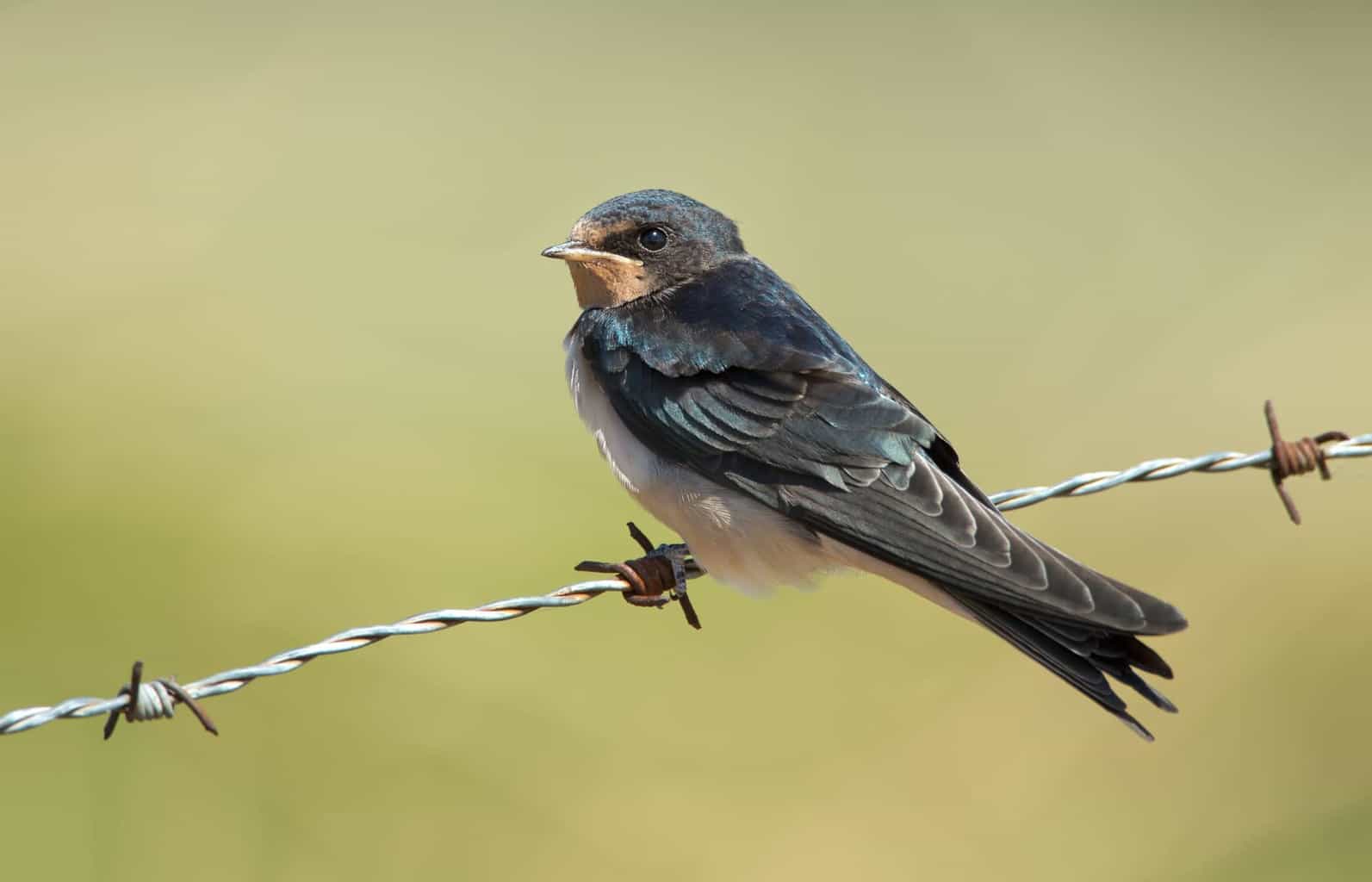
Barn Swallows eat insects and can be seen flying around blooming meadowsweets because meadowsweet attracts many flying insects. Garden pests are controlled naturally by Barn Swallows as they perform aerial acrobatics. The National Wildlife Federation states that meadowsweet and other pollinator friendly plants enhance the populations of the insects that Barn Swallows depend on. You will be able to enjoy watching these fast flyers in your yard!