The eastern bluebird is one of the best birds to represent winter birding. With blue backs and rusty orange breasts, the eastern bluebird is a Christmas Bird Count continental highlight. However, populations declined to nearly extinction. Their story is a comeback success in conservation and backyard birders are the heroes of this story.

Bring Hummingbirds Right To Your Window!
Check PriceWhat is Christmas Bird and Why is It Important?

The Eastern Bluebird is worthy of the honor of being the Christmas Bird. Beginning in 1900, during the first Christmas Bird Count, volunteers have recorded sightings of these lovely songbirds in the eastern United States and southern Canada during the winter months. The winter defiance of these birds to migrate made them a reliable and adored presence during the counts.
Save this article for later so you don't lose it. Enter your email and I'll send it to you now—plus you'll get my favorite backyard birding tips delivered to your inbox.
From the Christmas Bird Count there started to emerge patterns of decline from the mid-20th century. Countable numbers from regions that reported thousands of Eastern Bluebirds per year started reporting single or even zero counts of the birds. Between 1930 and 1970 Eastern Bluebirds were estimated to have declined by 90% in several areas. What was once a common backyard visitor bird became a serious rarity.
The decline of bluebird numbers means we lose part of our culture. Even in winter, bluebirds represent joy, hope, and the promise of spring. Their absence creates a landscape and environment that feels emotionally wrong.
The Early Signs and Causes of Near Extinction of the Species.

The collapse of the bluebird population has been caused by many different issues. The most impactful of these issues are loss of habitat, increased competition, use of pesticides, and direct harm to bluebirds.
First, let's clear some farmland edges, hedgerows, and open woodlands, which are the bluebird ideal nesting habitats. With the increase in agriculture and the growth of suburbs, the combination of short grass and scattered trees that bluebirds depend on has vanished.
Next was difficult competition for nesting spots. Eastern bluebirds are secondary cavity nesters because they need old woodpecker holes or other natural tree cavities to raise their young. Since the late 1800s, two dominant, non-native species, European starlings and house sparrows, came to North America and quickly outcompeted bluebirds for nesting sites. Starlings are especially aggressive, as they will evict bluebirds during the middle of the nesting cycle and may even destroy the eggs.
The use of pesticides, especially DDT, caused another blow to bluebird populations. The pesticides caused birds to directly poison, and caused a reduction in the population of insects. Bluebirds were particularly affected, during the breeding season insects were more abundant and more relied upon.
Finally, bluebirds faced direct persecution. They were sometimes shot for sport or trapped as cage birds — practices that seem unthinkable today but were common in the early 20th century.
The Christmas Bird Count was one of the first citizen science projects to raise the alarm. Each year, participants in the count recorded fewer and fewer bluebirds. This was an obvious, persistent decline that could not be ignored. By the 1960s, the situation had become serious enough for both ornithologists and conservationists to notice the eastern bluebird populations.
Get our free Hummingbird Attraction Guide! Plus, we'll send you our best tips for attracting more birds to your yard.
The Recovery Story: Conservation Steps That Impacted The Future
The bluebird didn't come back due to one moment in time or one big change in policy. It came back because a bunch of regular people decided they would lead the movements to bring back the bluebird.
The nest box revolution brought about the greatest change. Starting in the 1960s, and continuing through the 1970s and 1980s, thousands of people, nature clubs, and conservation organizations constructed and distributed hundreds of thousands of nest boxes for North American bluebirds. These wooden boxes provided bluebirds with safe, predator-resistant cavities.
The North American Bluebird Society started in 1978. It established a standard design for bluebird nest boxes and introduced guidelines for volunteers to build and oversee bluebird trail monitoring. Each volunteer monitored a predetermined number of bluebird boxes for the duration of the breeding season. The trails, according to the Cornell Lab of Ornithology, became the most significant contributor to the recovery of bluebird populations.
Assistants did more than just set up the boxes. They also sanitized the boxes between broods, protected the boxes from predation by raccoons and snakes, and removed invasive house sparrows so bluebirds would have a better opportunity. This sort of active stewardship made an impact.
The insect populations were able to rebound after the DDT ban of 1972, because they did not face the risk of being poisoned. Policy shifts along with habitat restoration on open public and private land began to restore the preferred open and grassy land habitat of the bluebirds.
Eastern bluebirds have once again become a familiar sight across all the regions they inhabit. An effort combining science, policy, and community outreach has made the eastern bluebird a conservation success story. The Christmas Bird Count shows that starting in the 1990s, eastern bluebird numbers began to increase.
What Can Backyard Birders Do Now: Practical Steps to Sustain The Comeback
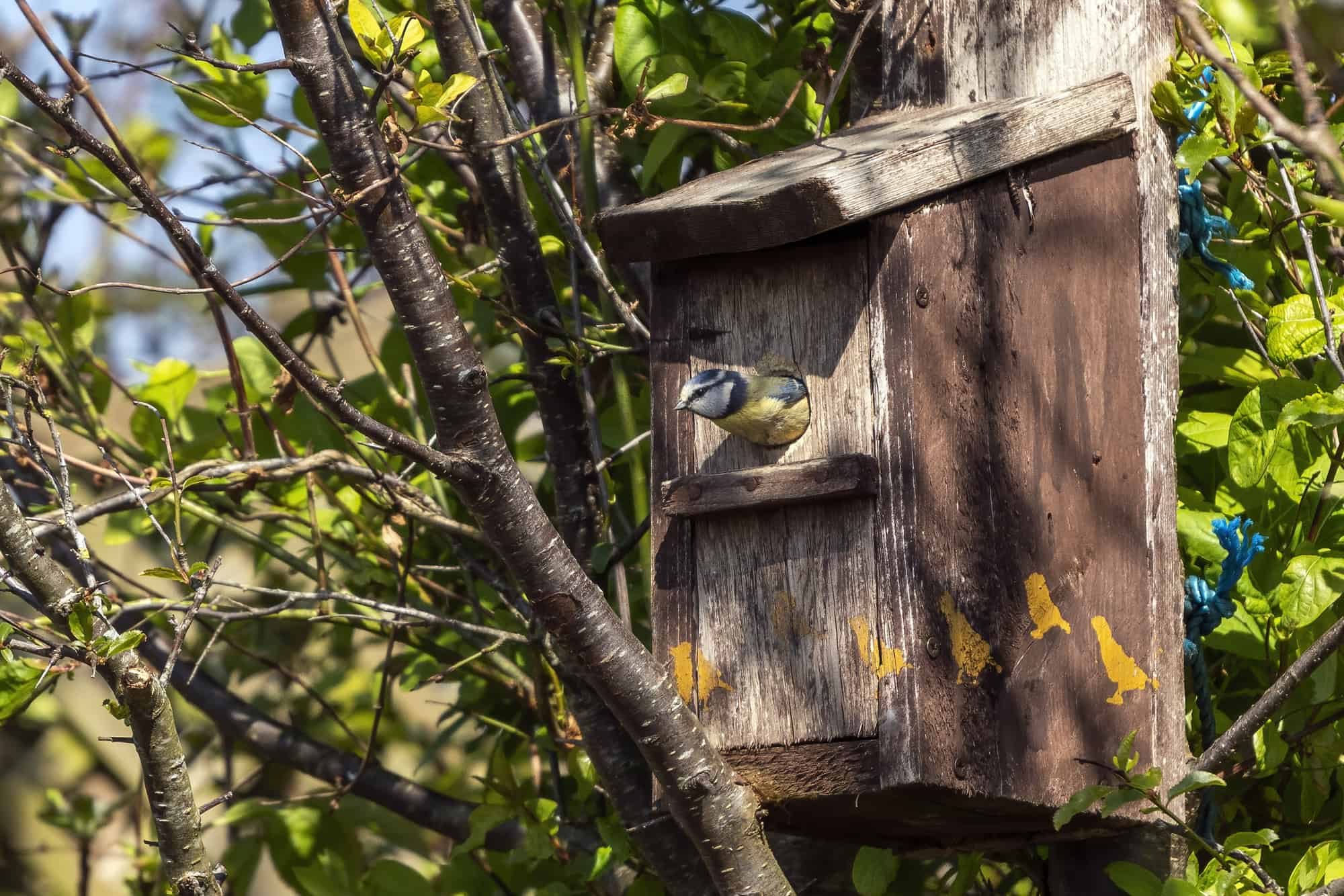
Backyard birders can assist in the recovery of bluebirds. Below are methods for assisting bluebirds in your yard.
Make sure you have the right nesting box. The right design for bluebirds includes a 1.5-inch entrance hole which keeps starlings out. Place it on a pole in an open area where the short grass is with trees scattered around at an entrance hole height of 4 to 6 feet. If you are placing several boxes, do not place them next to each other. Bluebirds prefer at least 100 yards of space between them as they are territorial.
To keep climbing predators from accessing the box, you can place a baffle underneath the box. Also, avoid putting boxes near dense bushes where cats may be able to hide. You may also consider putting a predator guard at the entrance hole so raccoons can’t reach in.
Making monitoring a habit will help your efforts be successful. From March to August for most areas of the country, check your box once a week during the breeding season. Evict house sparrows so your box stays open for bluebirds, and remember: remove old nests between broods!
“`markdown **Planting natives:** Bluebirds require insects in their diet to nurture their offspring, and bluebirds can be found where there are native plants, which insects are more abundant around. Some great examples are **dogwoods, serviceberries**, and **native grass**. Also in **fall** and **winter,** berry shrubs like **elderberry** and **sumac** are critical food sources. “`
Bluebirds are especially fond of mealworms! You can use live or dried mealworms to attract bluebirds to your feeder in the winter months when there are fewer bugs available. Mealworms can be put in a special feeder for bluebirds or a shallow dish.
Be a part of the Christmas Bird Count in your community, or help out by monitoring Bluebird Trails. Being a Citizen Scientist helps build community, teaches participants, and links your backyard to important conservation work throughout North America.
Thanks to the eastern bluebird's recovery is due to small but consistent effort on our part. Each nest box, native planting, and each bird counted contributes to the larger narrative of recovery. With a bit of care and attention, you can help ensure that this “Christmas Bird” will continue to cheer up winter landscapes for years to come.
Happy birding!