


When temperatures drop and snow blankets the ground, backyard birders often assume their feeders are doing all the heavy lifting. Suet is stocked, seed is fresh, and yet something feels missing. The truth is, while you’re focused on food, your winter visitors are desperately searching for something even more critical—and it’s probably frozen solid in your yard right now.

Bring Hummingbirds Right To Your Window!
Check PriceWhy Winter Birds Need What Your Yard Is Missing

Save this article for later so you don't lose it. Enter your email and I'll send it to you now—plus you'll get my favorite backyard birding tips delivered to your inbox.
Birds can find food in winter. They’re resourceful, adaptable, and many species have evolved to survive harsh conditions by foraging for seeds, insects, and berries. But water? That’s a different story entirely.
When natural water sources freeze over, birds face a serious challenge. They need water year-round for drinking and bathing—yes, even in winter. Bathing helps maintain feather integrity, which is essential for insulation and flight. Dehydration is a real threat, especially for small-bodied birds with high metabolisms. While birds can eat snow, it costs them precious energy to melt it internally, energy they’d rather spend staying warm.
Here’s the key insight: unfrozen water becomes more valuable than food in winter. A reliable, ice-free water source can attract more species and higher activity levels than any feeder you put out. It’s the missing piece that transforms a quiet winter yard into a bustling avian hub.
Our Top Heated Bird Bath Picks
Before we dive into the details, here’s a quick rundown of what’s actually worth buying based on reviews, durability reports, and real-world performance. I haven’t personally tested every single one of these, but I’ve spent way too much time reading through hundreds of reviews and comparing specs so you don’t have to.
Heated Bird Bath
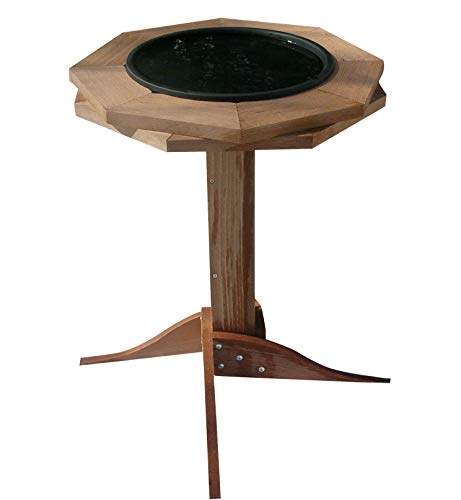
Songbird Essentials Heated Birdbath
Heated birdbath that prevents frozen water, supporting winter bird hydration.
Check Price
GESAIL Heated Bird Bath with 3 Mounting Options
Energy-efficient heated bird bath with flexible mounting and easy maintenance.
Check Price
AISITIN 2.5W Solar Bird Bath Fountain Pump
Efficient solar bird bath fountain with 6 nozzles and easy installation for small outdoor water features.
Check PriceWhat Makes a Heated Birdbath the Ultimate Winter Attraction

A heated birdbath solves the scarcity problem in one elegant upgrade. By keeping water liquid even when temperatures plunge below freezing, you’re offering something genuinely rare in the winter landscape—a dependable drinking and bathing spot that birds can count on day after day.
The magic happens because heated birdbaths attract species you’ll never see at feeders. Bluebirds, robins, waxwings, and thrushes don’t typically visit seed or suet stations, but they absolutely need water. Add a heated bath, and suddenly these beautiful birds become regular visitors. You’re not just feeding the usual suspects anymore—you’re creating habitat that appeals to a much broader community.
Heated birdbaths also increase activity from your feeder regulars. Cardinals, chickadees, nuthatches, and finches will visit more frequently when they know there’s water nearby. It’s simple efficiency: birds can meet multiple needs in one location, making your yard a true winter refuge rather than just a snack stop.
The diversity you’ll see is genuinely surprising. On a cold January morning, you might watch a Carolina Wren bathe vigorously while a Mourning Dove waits its turn, and a Red-bellied Woodpecker swoops in for a quick drink. This kind of activity simply doesn’t happen at feeders alone.
Choosing and Setting Up Your Heated Birdbath
Not all heated birdbaths are created equal, so it helps to know what to look for. The best options come in two basic styles: birdbaths with built-in heating elements, or heated inserts (typically called “de-icers”) that you add to an existing bath. Both work well—your choice depends on your current setup and budget.
Already Have a Bird Bath You Like? Get a De-Icer
If you’ve got a concrete pedestal bath or any other setup you’re happy with, the cheapest route is adding a submersible de-icer. These drop right into your existing basin and keep the water from freezing without replacing your whole setup.
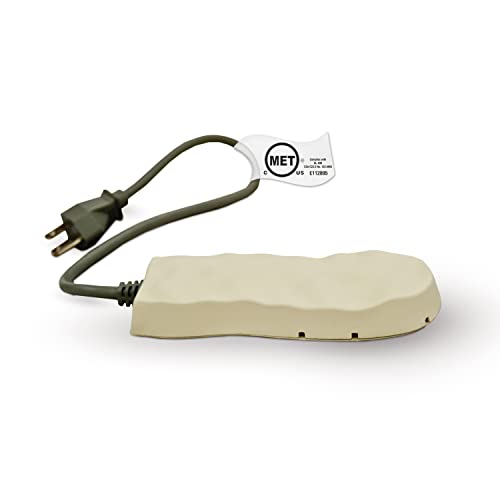
K&H Pet Products Birdbath Deicer 50W
Check PriceThe K&H Ice Eliminator is the one that keeps coming up in birding forums. It only uses 50 watts (so maybe $1-3/month to run), works down to -20°F, and won’t rust, stain, or melt plastic baths. The rock-like design actually looks decent too—you can even spray paint it to match your bath if you’re into that.
For larger baths or colder climates, the 80-watt version handles more volume:
Need Something Heavy-Duty? Go 150 Watts
If you’re in a region where temps regularly drop below zero, reviewers consistently recommend stepping up to a 150-watt de-icer. The Songbird Essentials model gets praise for its heft and durability—it’s not going to slide around your bath or quit on you mid-January.

Songbird Essentials SE994 Bird Bath De-Icer
Check PriceThis one’s made in the USA, has a 6-foot cord (most cheaper ones have annoyingly short cords), and comes with a 3-year warranty. It’s overkill for mild winters, but if you live somewhere brutal, it’s worth the extra cost.
Get our free Hummingbird Attraction Guide! Plus, we'll send you our best tips for attracting more birds to your yard.
Best All-in-One: Built-In Heated Bird Baths
Look for models with thermostatically controlled heaters. These only activate when needed, saving energy and preventing overheating. Depth matters too. Aim for a bath that’s 1-2 inches deep at the center—shallow enough for small birds to use safely, deep enough to stay functional. If your bath is deeper, add clean stones or a textured platform so birds have secure footing.

Farm Innovators BD-75 Heated Terracotta Birdbath
Check PriceThe Farm Innovators 3-in-1 is the budget king here. Three mounting options (deck post, clamp, or ground legs), 75 watts, thermostatically controlled, and the cord tucks away in summer. Reviewers say it holds up well, though a few mention needing to level it carefully since the bowl is shallow.
Best for Deck Mounting
If you want to watch birds from your kitchen window while drinking coffee, deck-mounted is the way to go.

API Heated Bird Bath with Stand or Mount
Check PriceThe Allied Precision 650 is the classic choice. 20-inch diameter, 150-watt heater that works down to -20°F, and it has this EZ-Tilt feature that makes dumping dirty water painless. The mounting bracket fits 2×4 or 2×6 deck rails. Main complaint in reviews: the 12-inch cord is short, so you’ll definitely need an outdoor extension cord.
Best Looking: Cedar Pedestal Options
If aesthetics matter and you want something that doesn’t look like plastic junk in your garden, the Songbird Essentials cedar bath is legitimately attractive.
Songbird Essentials Heated Birdbath
Check PriceWestern red cedar frame, hollow post hides the cord, keeps water liquid down to -20°F. The pan is shallow (about an inch deep), so you’ll refill more often, but the birds don’t seem to mind. Multiple reviewers in Minnesota report it handling -28°F nights with open water remaining. Assembly requires a drill, but it’s not complicated.
Placement Tips That Actually Matter
Placement is critical for success. Position your heated birdbath where you can see it easily from indoors, but also where birds feel safe approaching. Near evergreen shrubs or small trees is ideal—it gives birds quick escape cover from predators. Keep the bath at least 10 feet from dense bushes where cats might hide, but close enough that birds have a clear flight path to safety.
You’ll need an outdoor electrical outlet, preferably a GFCI-protected one for safety. If extension cords are necessary, use only outdoor-rated models designed for winter conditions. Secure cords carefully to prevent tripping hazards and keep connections dry.
Maintenance is straightforward. Change the water every few days to keep it fresh and clean. A quick scrub with a brush removes algae and debris—skip harsh chemicals, as even residue can harm birds. In extremely cold weather, check daily to ensure the heater is functioning properly.
The Winter Visitors You Can Expect
Once your heated birdbath is up and running, the visitor list expands dramatically. Your regular feeder crowd—Northern Cardinals, Black-capped Chickadees, Tufted Titmice, White-breasted Nuthatches, and various finches—will become even more frequent guests, often visiting the water multiple times daily.
But the real excitement comes from species that ignore your feeders entirely. Eastern Bluebirds are enthusiastic winter bathers, often arriving in small flocks. American Robins, which many people assume migrate completely, often overwinter in areas where they can find water and berries. Cedar Waxwings travel in nomadic flocks, and a heated bath can bring dozens at once.
Woodpeckers of all kinds love water sources. Downy, Hairy, and Red-bellied Woodpeckers become regular visitors, along with Northern Flickers. Mourning Doves, Blue Jays, and Carolina Wrens are reliable daily users. In some regions, you might attract Pine Siskins, Evening Grosbeaks, or other irruptive species during winter movement years.
Geographic location matters, of course. Southern yards might host Hermit Thrushes, Yellow-rumped Warblers, or Ruby-crowned Kinglets. Northern locations could see Bohemian Waxwings, redpolls, or crossbills. The diversity reflects your local winter bird community, but regardless of location, the variety will exceed what feeders alone attract.
Making the Most of Your Investment
A heated birdbath delivers maximum value when paired with complementary habitat elements. Native berry-producing shrubs like winterberry holly, viburnum, or dogwood provide natural food that keeps fruit-eating species nearby. Evergreens offer essential shelter and roosting spots during bitter weather.
Keep feeders stocked with high-energy options: black oil sunflower seeds, suet, peanuts, and thistle. The combination of food, water, and shelter creates a complete winter habitat that birds will defend and return to reliably.
Consider Adding a Second Water Source
Consider adding a second water source if your first bath proves popular. Birds are surprisingly territorial about water, and multiple locations reduce competition while accommodating more visitors. A ground-level bath attracts different species than a pedestal model—ground-feeding birds like juncos and sparrows prefer low access points.

Songbird Essentials Heated Birdbath
Check PriceThe Songbird Spa works well as a secondary bath. Three mounting options, 75-watt heater, and it’s compact enough to fit on a deck rail or sit on the ground with the included legs. Holds over a quart of water in a shallow design that small birds can actually use safely.
Throughout winter, maintain consistency. Birds learn where reliable resources exist and integrate them into their daily routines. Keep the water clean, the heater functioning, and the surrounding area safe. Your commitment translates directly into the health and survival of your winter bird community.
The investment is modest—quality heated birdbaths range from $50 to $150—but the return in bird activity, diversity, and pure enjoyment is remarkable. Once you experience a busy winter birdbath, you’ll wonder how you ever birded without one.
Frequently Asked Questions
How much electricity does a heated bird bath actually use?
Less than you’d think. A 50-watt de-icer running 24/7 costs roughly $3-5/month at average electricity rates. But here’s the thing—thermostatically controlled models only run when temps drop below freezing, so real-world costs are often $1-3/month. The 150-watt heavy-duty models cost proportionally more, but still nowhere near what most people expect.
Will the heater make the water warm?
No, and this confuses a lot of people. These aren’t designed to heat water like a hot tub. They just keep it barely above freezing—liquid, not warm. Birds actually prefer cool water. The heater prevents ice formation, nothing more.
Can I use a heated bird bath year-round?
Yes. Most models are designed for four-season use. The cord typically tucks away or hides during summer, and the thermostat means it won’t activate when it’s warm out anyway. No need to buy separate summer and winter baths.
What if I don’t have an outdoor outlet near where I want the bath?
You’ll need an outdoor-rated extension cord. Look for 12-gauge or 14-gauge cords rated for outdoor use—they handle cold temps without cracking. Keep the connection point elevated and dry. Some people use weatherproof cord covers or connection boxes for extra protection.
Will squirrels or raccoons damage the heater?
Most quality de-icers have chew-resistant cords, but determined critters can damage anything. The bigger issue is animals drinking from the bath (which is fine) or knocking lightweight baths over (which is annoying). Ground-level baths with some weight to them tend to fare better. If raccoons are an issue, empty the bath at night—they’re mostly nocturnal anyway.
How often do I need to refill a heated bath?
More often than you’d expect. The gentle heat causes faster evaporation than a regular bath, especially in dry winter air. Plan on checking water levels daily and refilling every 1-3 days depending on your bath’s capacity and local conditions. Shallow baths need more frequent attention.
Is it safe to use a de-icer in a concrete or stone bird bath?
Generally yes, but check your de-icer’s specs. Most modern ones are safe for concrete, stone, metal, and plastic. The bigger concern is thermal shock—don’t pour boiling water into a frozen concrete bath, as the rapid temperature change can crack it. Let the de-icer do its job gradually.
What’s the difference between cheap de-icers and expensive ones?
Build quality, warranty, and safety certification. Budget de-icers might work fine for a season or two, but reviews suggest they fail more often. Premium options like K&H products are MET-certified (electrical safety testing) and come with 3-year warranties. If you’re in a harsh climate or want something that’ll last years, spend the extra $15-20 for a quality unit.
Do birds really bathe when it’s below freezing?
Yep. They instinctively know how to do quick dips without getting waterlogged. They’re not taking leisurely soaks—more like rapid splashes followed by immediate fluffing and preening. Their feathers are naturally water-resistant, and they’ve evolved to handle cold conditions. You’ll see bathing activity even on frigid days, though drinking is more common in extreme cold.
Can I just break the ice every morning instead of using a heater?
You can, but you probably won’t keep it up. It’s a pain, the water refreezes within hours on really cold days, and birds need water throughout the day, not just at 7am when you remember to check. A heater costs maybe $3/month to run and works 24/7. Your time and consistency are worth more than that.
Happy birding!
📷 Show us your feeder setup! Share a few photos of your feeders and you might be featured on Wild Bird Scoop. Share your setup →





