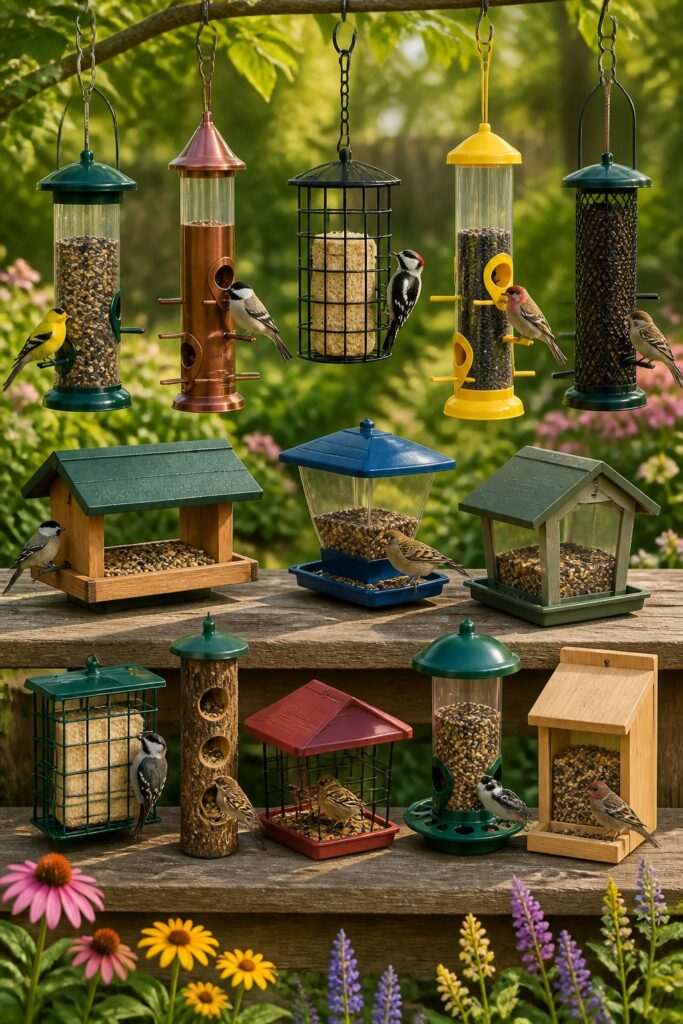

This March morning, a gray catbird landed on the suet cage and rattled the wires until a House Finch came hopping over to the corner of one of the cheap tubes I’d hung from last season. Here are 11 bird feeders that do not cost an arm and a leg and last longer than one season, plus I’ll show you the ones that survived windy and rainy weather and hungry squirrel hunting, so you can spend less to watch more.

The Camera Feeder We Use In Our Own Backyard
See Today's PriceI documented each of the budget-friendly feeders and noted what worked, what broke, and who the target audience was. Join me as I describe the field notes for budget feeders that attract birds over and over again without the need for constant upkeep.
Save this article for later so you don't lose it. Enter your email and I'll send it to you now—plus you'll get my favorite backyard birding tips delivered to your inbox.
1) Perky-Pet Clear Window Feeder
A male house finch came to the window and pecked once, then settled down to grab a seed, at such a distance that I could see the red on his chest. I sat and watched through my mug while many chickadees darted in to grab food.
The feeder is designed with a clear acrylic body and two rubber suction cups. It holds roughly two cups of mixed seeds and is ideal for very small seeds, like sunflower chips or finch seed mixes. The feeder opens for easy cleaning, and washes out quickly by hand. In wet weather, the suction cups need to be re-seated periodically, but the seed collection tray drains the water.
The feeder lasted more than one season due to the acrylic not cracking, and I can replace simple parts; I’ve changed a suction cup instead of replacing the whole feeder. After prolonged sun exposure, UV rays will cause yellowing, but this is slowed by being indoors and facing windows.
If you like watching birds up close and want an easy feeder to refill, this feeder is for you! This feeder is perfect for city bird watch enthusiasts, bird watching families with kids, and anyone who enjoys watching little, active birds up close.
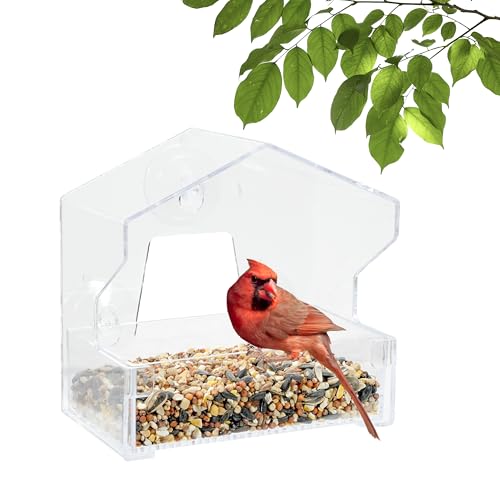
Perky-Pet Clear Window Bird Feeder
Check Price2) Perky-Pet Squirrel Stumper Seed Feeder
An impressive red-bellied woodpecker hit the perch once and then stopped to stare at the metal dome like it was a little puzzle. I watched the flipper arm drop twice when a large squirrel tried to climb on it. The mechanism works in real time.
The feeder offers a capacity of approximately 2-3 quarts and is made of die-cast zinc and stainless steel. It is designed for sunflower chips or mixed seeds. Cleaning the feeder is easy to do as you will only need to loosen a couple of screws. The finish is rust resistant, and the weather dome protects seeds from moisture.
The all-metal construction is the reason this style can outlast a thin plastic feeder. Regular cleaning matters, and replaceable small parts are worth noticing because one worn piece should not mean replacing the whole feeder.
For people looking for a squirrel-deterrent that lets songbirds feed unrestricted, I suggest this feeder. It is ideal for yards with daring grey squirrels and raccoons, and for bird watchers who prefer more sturdy hardware to the lightweight, flimsy designs.

Perky-Pet Squirrel Stumper Wild Bird Feeder
Check Price3) FEED GARDEN Dish-Style Hummingbird Feeder
I could hear the wings of a male ruby-throated hummingbird as he flew by. It sounded like rain pattering on a roof. He dipped down, took a sip from the feeder, and then darted away leaving tiny droplets on the red plastic that were reflecting the morning sun.
The feeder has a plastic base that easily twists off for cleaning, four flowers, and a 9 oz capacity. It uses the most basic sugar water mix. Wide openings and an easy scrub make it easy to rinse and clean. The red color lasts a season or two unless your feeder is baked fully in the summer sun.
The simple construction makes it sturdy and will last with replaceable perches if the squirrels, or general wear, become severe. I have had to replace one gasket after rough weather, and I have used the same model for two summers.
If quick refills and regular rinses are part of your routine, this feeder is ideal for small backyards or balconies. If you enjoy watching hummingbirds up close and want a long-term option that won’t break the bank or cause you a lot of hassle, this feeder certainly does the job.

FEED GARDEN 16oz Hummingbird Feeders, 2 Pack
Check Price4) Nature’s Way Metal Mesh Peanut Feeder
I watched as one tufted titmouse came upside down and deftly tapped the mesh to maneuver it. I could also hear constant and even tapping of peanuts as the tilted feeder swung back and forth despite the breeze.
The body of this feeder is made of powder coated steel, with a chew proof cap. It holds unshelled or shelled peanuts and has the capacity of 2 to 3 cups. Cleaning is made easier as the feeder snaps apart, but the mesh will require the use of a brush for it. The weight activated closing mechanism stops squirrels from emptying the feeder at night, while the rust weather resistant finish keeps the feeder protected from rust.
They have metal bodies and caps that are replaceable, guarantee a long life, and their finish won’t deteriorate in rain or sun. I’ve even seen the latches survive those cold snaps that are strong enough to break cheap plastic.
For a durable peanut feeder that can endure relentless squirrels and all weather conditions, this is a good choice. It may take some time, but it will also draw nuthatches and woodpeckers.

Nature's Way Cobalt Metal Mesh Bird Feeder
Check Price5) Kingsyard Recycled Plastic Hopper Feeder
A nuthatch landed upside down on the feeder’s lip and tapped its tiny feet while nibbling on the seed. I was fortunate to see the blue-gray feathers flash in the sunlight. The metal lid and clear acrylic body can hold a 2–3 lb capacity of mixed seed, which lasts for days for a flock of small to medium birds.
Cleaning is quick because the top lifts off easily, and the tray can just be taken out. The metal components are rust-proof and the heavy-duty acrylic won’t cloud over a season’s worth of sun and seeds, so it’s still usable in year two.
Minimal hardware helps it last longer, and the feeder can be repaired. Hinges and lids can be swapped without buying a whole new feeder. If you’re looking for a simple discreet feeder for moderate regular use, I would suggest this for suburban yards where squirrels are gentle.

Kingsyard 4 lbs Large Outdoor Bird Feeder
Check Price6) Kingsyard Metal Mesh Feeder With Roof
A curious house finch landed on the tray and started pecking at it, critiquing the breakfast I just set up, while a chickadee dove under the roof for cover. I could hear the quiet rattle of dry seeds spilling and it seemed to attract a few more birds.
Get our free Hummingbird Attraction Guide! Plus, we'll send you our best tips for attracting more birds to your yard.
The feeder has a slight roof that is made of plastic, while the rest of the body of the feeder is metal which allows a mix of feed to fit 3-4 pounds of feed. The tray is removable, making it easier to clean and the rust resistance of metal is superior to the rust resistance of plastic, especially for feeders. The roof is also very good at protecting the feed from rain and it will hang stably when the wind blows.
Its longevity is supported by the durable metal tray and roof clips; if small parts wear out, they are easy to replace. I’ve seen these feeders last two winters with little maintenance.
This feeder is great for people who like an easy tray to view ground feeding birds and birds that eat mixed seeds. It can be used on a pole or hung from a bracket so backyard bird watchers can get nice and close views.

Kingsyard Dual-Compartment Metal Bird Feeder
Check Price7) Audubon Cedar Platform Feeder
A male house sparrow hopped onto the corner and scooped his way around the shallow tray, sifting seeds with quick and precise movements. The open platform also lets me see the toes and tails of the birds as they scoop up mixed seeds or cracked corn and the molded drain holes let seed stay dry even after it rains.
This feeder is made from high-impact plastic and holds around 2-3 pounds of sunflower chips and mixed seeds. This feeder snaps apart for easy cleaning. The feeder is designed to drain moisture to reduce mold growth. While the sun’s UV rays cause fading, after a summer of heat the feeder is still protected from fading.
What makes the feeder last is simple. There are no fragile perches that can snap, no rusting screws, and no molded channels that can attract pests. I have witnessed units continue to function after a few winters when they are mounted under the eaves.
This feeder is great for watching birds feed from your window or porch. It also works for people who want low-maintenance and easy cleaning as opposed to more complex feeders.

Woodlink Audubon Cedar Squirrel Platform Feeder
Check Price8) Nature’s Way Bluebird Buffet Mealworm Feeder
As I looked at the bluebird that had just landed on the roof, I couldn’t help but feel a bit happier as I saw that he was tapping his beak on the roof to check out the joint, especially because the bluebird had such a striking shade of blue which looked great against the cedar roof. The feeder holds dried mealworms and provides room for only one breeding pair to grab food at a time, as it is a limited capacity feeder.
To clean it, just loosen some tiny screws and take the floor out. It’s not fancy, just simple. Cedar will outlast most woods in the presence of moisture, and if necessary, you can always just re-caulk the seams and it will help the wood survive the wet springs and dry hot summers.
Aside from the first season, what else helps it go beyond the first, is the basic hardware, and the solid wood. That means there are no thin plastic pieces to crack off. I do replace the hardware after a couple years, but as long as you properly maintain it, it has lasted several seasons.
You will appreciate this feeder if you enjoy a more natural appearance and wish to attract bluebirds and other cavity-nesting birds. I suggest this to people that enjoy hands-on maintenance and want to view nesting activities from a distance.

Nature's Way Bluebird Buffet Metal Feeder
Check Price9) Happy Wings Refillable Nyjer Thistle Socks
While I was re-filling the seed sock, a little goldfinch perched on the mesh and bobbed its head to try to get some nyjer seeds that fell into my hand. The sock is made of nylon mesh, holds about a cup of nyjer seeds (easy to hand wash), and a quick rinse and air dry keeps mildew at bay.
If you don’t pull it from the hooks, the narrow mesh handles can be refilled multiple times without ripping. With such a simple design, there are no metal parts that rust, so I replace mine every two seasons, where I feed through a mild winter.
I love this when I want feeding just finches and some flexible positioning on tree limbs or shepherd’s hooks. It is ideal for small yards, mobile setups, and for birders who appreciate inexpensive, easy feeders that attract larger finch activity.
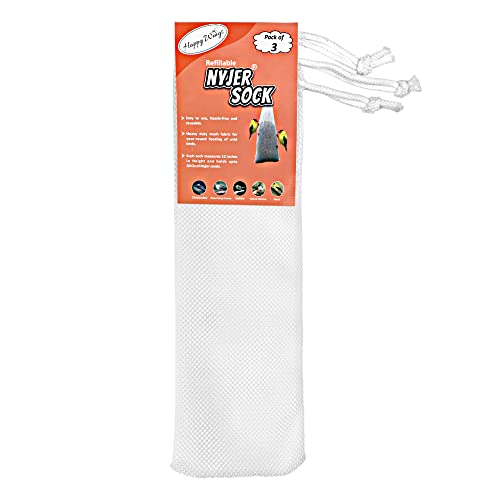
Happy Wings Refillable Nyjer Thistle Sock Feeder
Check Price10) Youvip Metal Roof Bird Feeder
I can still remember the small, high-pitched noise of a white breasted nuthatch as it landed, tapped its bill on the roof, then darted in to grab some food. This feeder is a mixture of steel and powder-coated finishes, holds about 2.5 to 3 quarts of assorted seeds, and has wide feeding ports for sunflowers and blends. The top seal can trap moisture, so check it before closing the lid.
Metal structures will withstand multiple seasons because of their ability to resist damage from squirrels and UV light exposure. Additionally, powder coating provides extra protection against rust. Dry spring seasons will remain seed free because hinges and slotted drainage help to keep them dry.
This feeder is great for those looking for an extremely durable and practical option for feeding medium to large sized songbirds. The decreased emphasis on aesthetics and increased emphasis on durability makes this feeder great for yards, as well as feeders placed near trees for frequent visitation from nuthatches and chickadees.

Youvip Metal Roof Chew-Proof Bird Feeder
Check Price11) FEED GARDEN Copper-Finish Metal Tube Feeder
I heard a soft clack as a male house finch landed and began working the ports. His russet feathers contrasted with the copper finish. I watched the seed dust settle as I heard tiny wingbeats.
The feeder weighs 1.5 pounds. The top twists off for easier cleaning and most parts rinse off as well. The feeder’s copper finish resists rust from the sun and rain, but some plastic parts may fade after long use. The feeder has four feeding ports, is made of metal and plastic, and fits mixed seed.
The feeder has a robust metal tube and a removable port which is how the feeder lasts. I replaced a worn perch and the feeder has continued for years without leaking or splitting.
This feeder works great for small flock yards and is a nice, tidy, low-maintenance option. I use it when I want to lure birds down and want a feeder that I won’t have to watch all the time.

FEED GARDEN 6-Port Metal Bird Feeder
Check PriceWhat Makes a Feeder Last: Unseen Details That Matter
While the wind was gusting, I witnessed a downy woodpecker tap three times and hold on. Usable after that kind of weather and critter testing, small choices in parts and fit are what keep feeders useful.
Material Myths and Surprises
Sometimes the brand doesn’t matter; the raw materials will. I once picked up a feeder that was built solid because the hooks and metal trays were thick. I was surprised by the price as it looked cheap. Thin glass will break when a branch falls. With polycarbonate tubes that resist cracking from the cold and UV-stabilized plastics that turn brittle after a single summer, thin plastic will fold. Powder-coated aluminum and steel won’t rust at the rain and salt line, and thin metal will flake and weaken at seams. Stainless steel is squirrel-chew-free and rust-free on the perches and ports; brass hardware costs more but is worth it.
For keeping feeders clean, smooth and non-porous surfaces are best because they dry faster after cleaning and don’t trap mold. Avoid feeders with glued parts that can come apart when washed. If a feeder has replaceable small parts like clear seed ports or O-rings, you can repair the feeder instead of tossing it. I prefer feeders with screws or clips because then I can replace a rusted part and keep everything else.
How Subtle Design Tweaks Fend Off Weather and Critters
During one of the rainy mornings, I witnessed the water collecting underneath a low-quality roof, and the following week seeds expanded and sprouted. The overhangs that are wide and slanted divert rain away from the seed ports. Where there are deep baffles, shorter perches tend to not annoy chickadees and squirrels; long, flat perches will invite raiding. Moisture and starlings will be blocked by lids that are tight-fitting and silicone gaskets. Threaded closures will also remain closed during windy conditions.
Ventilation holes positioned just below the top seed level are excellent for controlling moisture. They’ll also help keep the seed dry. Drainage holes in the seed trays will help keep water and mold under control. For cleaning purposes, hinged bottoms or twist-off bottoms mean cleaning will happen more often and maintenance will be more likely. Design choices like port angle and size, perch size, and fastener type will determine how a feeder will be used. Will it be usable for multiple seasons, or will it end up being clutter?
Keeping Feeders Fresh: Season After Season
This morning a chickadee tapped on the roof of the feeder and left a dusting of seed hulls on the tray. Small behaviors such as cleaning, drying, and thoughtful storage keep feeders safe and appealing to birds during the cold, wet and hot months.
Simple Cleaning Routines for Happy Birds
I scrub feeders every two weeks when the yard is busy and after any wet spell. Use a stiff brush, mild dish soap, and hot water; soak plastic parts 10-15 minutes to loosen grime. Rinse thoroughly so no soap scent lingers.
For tougher buildups, mix one part white vinegar to nine parts water and let parts soak for five minutes. For ports and tubes, use a pipe cleaner or a long brush. To prevent mold, dry all pieces thoroughly in sunlight or a warm area.
Bleach solution sanitization is done spring and fall each year. For example, do a soak of 2 minutes in a solution of 1 tbsp bleach per gallon of water. Then, rinse until no bleach odor is apparent. Discard and replace perches and worn fabric components at the first sign of wear.
Storage Tips When the Weather Turns Wild
I bring feeders inside before predicted storms or deep freezes so they don’t crack or get moldy. I empty seeds, brush any loose debris into the trash, and disassemble them before storage. I keep them in a cool and dry place away from concrete to avoid moisture.
Store small replacement parts like clips, baffles, and rubber gaskets in a labeled bag so you can make repairs quickly next season. If a feeder sat wet for many days, check for hidden rust or small cracks. If you find any, replace it instead of risking contamination of the seed. As you rotate seed, remember that fresh seed keeps birds healthy and minimizes pests.
📷 Show us your feeder setup! Share a few photos of your feeders and you might be featured on Wild Bird Scoop. Share your setup →