

Your pristine, magazine-perfect garden might be winning neighborhood awards, but it’s also starving the birds.

The Camera Feeder We Use In Our Own Backyard
See Today's PriceWhile you’ve been fighting “weeds” and maintaining that flawless lawn, you’ve accidentally created a biological desert.
Save this article for later so you don't lose it. Enter your email and I'll send it to you now—plus you'll get my favorite backyard birding tips delivered to your inbox.
The truth?
Those “messy” plants your HOA complains about are actually five-star restaurants in the bird world. Ready to rebel against pristine and discover what really brings birds flocking to your yard?
🌿 Want a personalized garden plan with native plants that actually attract birds? Get your free plan here →
1. Weedy Thistle Draws Goldfinches

American goldfinches live in weedy fields and clearings. They like to stay close to thistles and similar plants, so you could attract them to your yard by installing a thistle sock.
Fill this bird feeder with nyjer, weed, or sunflower seeds.
2. Plants You Skip Cutting Back Go to Seed

You should plant seeds that birds can eat and not cut back or prune too zealously so that plants can go to seed and provide a natural food source. You should also plant to encourage a wide range of insect species in your garden that many birds like to eat.
3. Cypress Vine Is a Hummingbird Vine
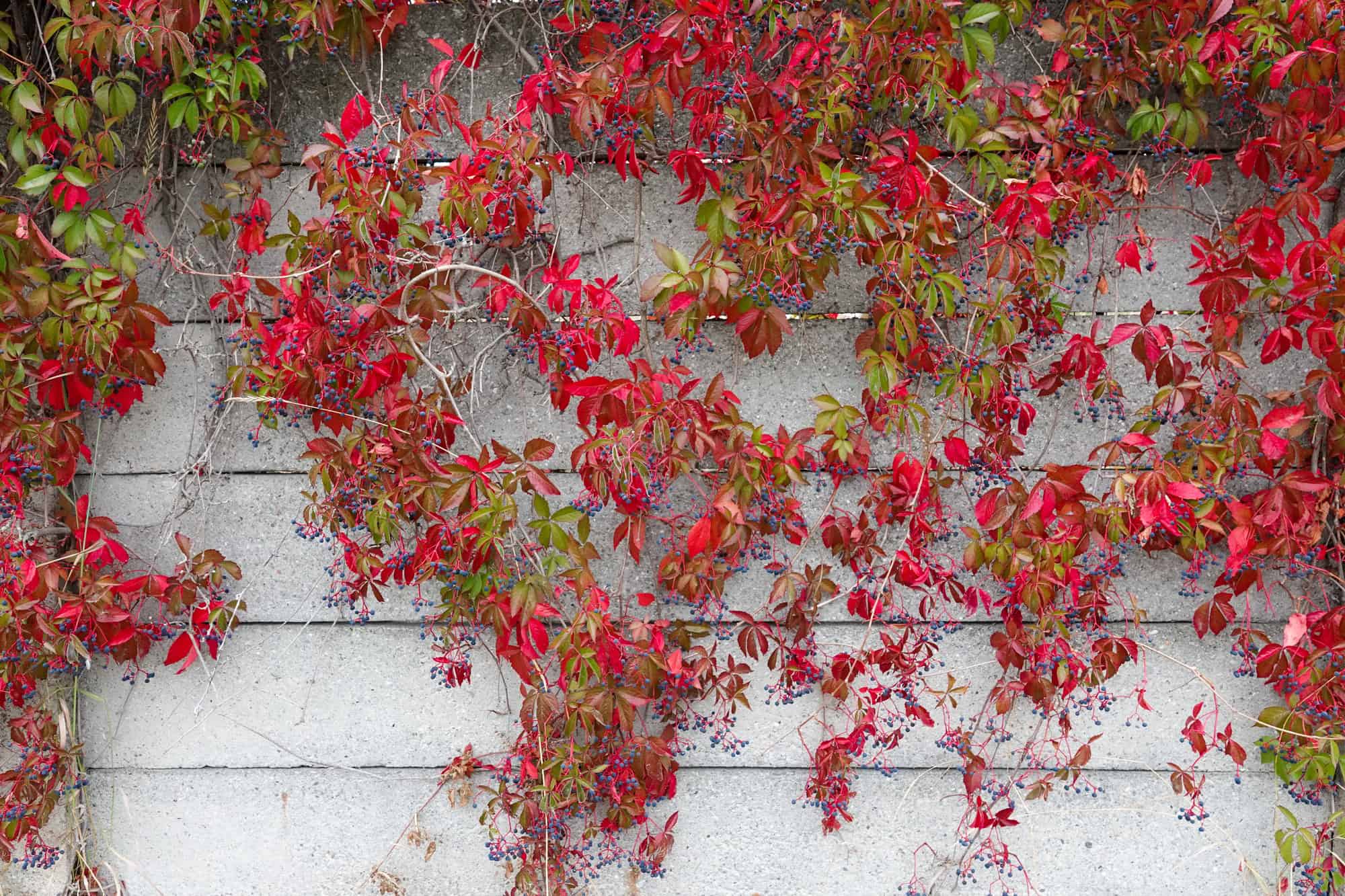
A popular alternate to the trumpet vine is the Cypress Vine (Ipomoea). Like many such plants, it is called by many names including cypress vine morning glory, cardinal creeper, cardinal vine, star glory, or even hummingbird vine.
While it is a tropical plant, it can be grown as an annual in the spring and summer across much of the United States. It is an excellent alternative to the “trumpet vine” described above, especially if you do not want to manage an invasive plant.
The cypress plant must be planted each year. Cypress vines are easily grown from seeds that may be found in garden shops or from online vendors.
4. Pokeweed Feeds Thrushes and Tanagers

The Wood Thrush feeds on invertebrates and bugs that live in the leaf litter. It also feeds on fruits like pokeweed, elderberry, and blueberry.
The Wood Thrush rarely comes to bird feeders, but you can find it if you choose to visit the mature deciduous woods. Male birds are bright red, while females have bright yellow-green underparts.
The Summer Tanager occasionally feeds on blackberries, pokeweed, mulberries, and bananas. It has a very distinctive robin-like call.
5. This “Gas Station Weed” Outperforms Your Expensive Bird Feeders

That humble Black-eyed Susan growing through the cracks at your local gas station? It’s actually running a more successful bird restaurant than your fancy $200 feeder setup.
Get our free Hummingbird Attraction Guide! Plus, we'll send you our best tips for attracting more birds to your yard.
Each flower head contains thousands of tiny seeds that goldfinches go absolutely bananas for, especially in late summer when they’re desperately trying to fatten up their demanding teenagers. One plant can feed dozens of birds daily – and it never needs refilling.
6. Finches Eat Dandelion and Other Weed Seeds

These finches spend much of their time diving in and out of shrubby areas to eat weed seeds. They enjoy a broad variety such as ragweed, dandelion, and alder.
7. Those “Ugly” Brown Seed Heads are Winter’s Best Bird Restaurants

That Sedum ‘Autumn Joy’ looking brown and crispy by November? It’s actually transformed into nature’s most reliable 24-hour diner.
Those spent flower heads hold their seeds throughout the brutal winter months, providing critical sustenance when snow covers everything else. While your neighbors are frantically filling bird feeders during blizzards, your “dead” plants are calmly feeding hungry visitors without any effort from you.
8. The Native Plant That Looks Dead But Feeds Birds All Winter

Joe Pye Weed might look like it belongs in a Tim Burton movie by fall, but it’s actually running a sophisticated bird ecosystem. The tall, seemingly lifeless stems attract insects that birds devour, while providing natural hunting perches for aerial predators like flycatchers.
It’s essentially a bird apartment complex with a built-in grocery store – and it requires zero maintenance from you.
9. Your Neighbor’s “Sidewalk-Staining” Tree is Actually Bird Grand Central

Yes, it drops berries on cars. Yes, it stains the sidewalk purple.
But that “messy” mulberry tree hosts more bird species than any fancy ornamental you could plant. From brilliant orioles to striking tanagers, it’s like Grand Central Station for the bird world – just strategically position your car somewhere else during berry season, or embrace the natural tie-dye aesthetic.
10. That “Ratty” Bramble Patch is Premium Bird Real Estate

That wild blackberry tangle behind your garage isn’t just providing you with cobbler ingredients – it’s prime real estate for catbirds, thrashers, and wrens. The thorny branches create impenetrable fortresses perfect for nesting, safe from cats and other predators, while the berries feed multiple generations of birds.
Who knew your gardening “neglect” was actually advanced wildlife conservation?
11. Uncut Native Grasses Shelter Bobolinks
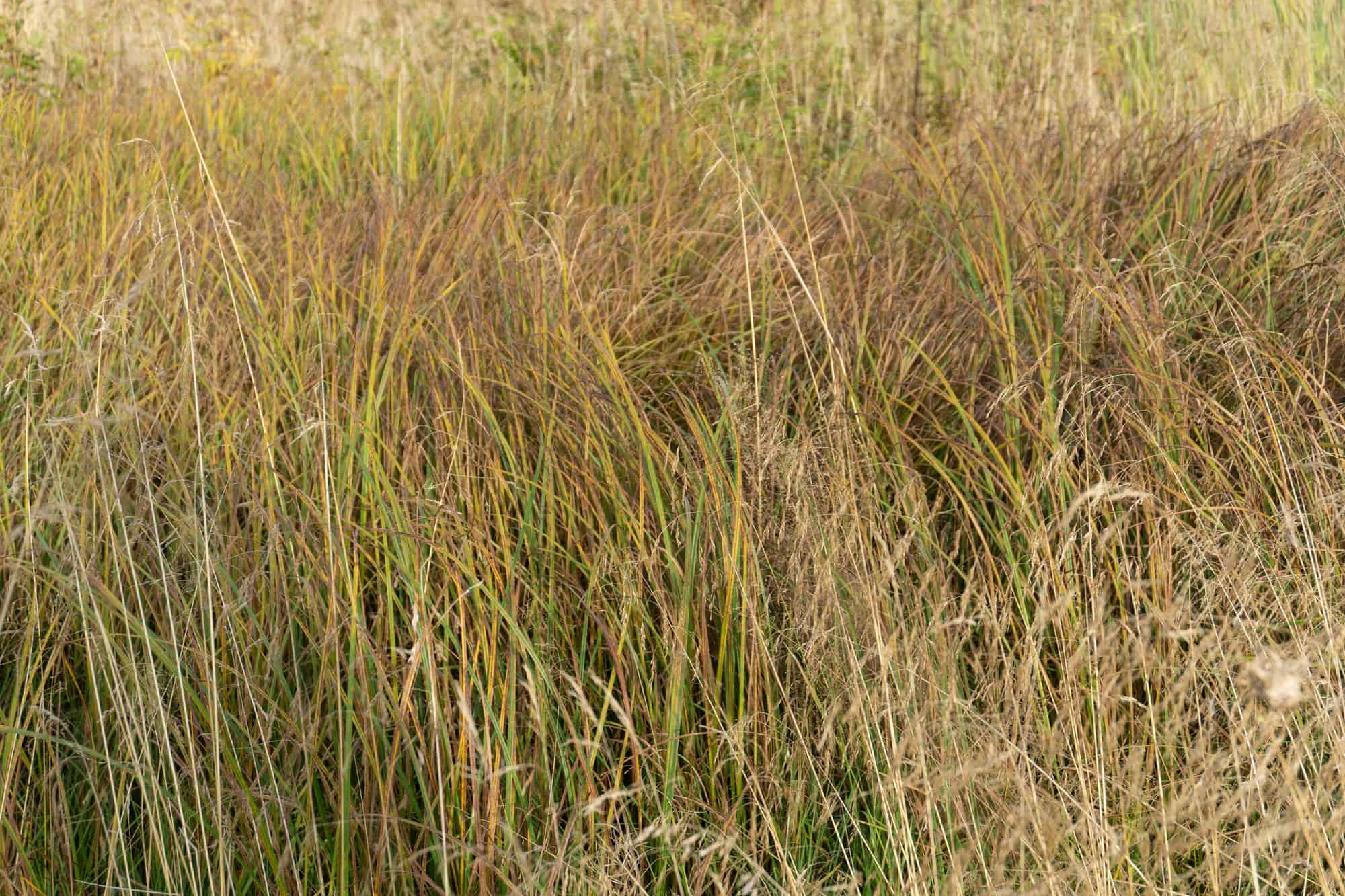
The best place to see them is on panhandle prairies, like the Flint River prairie in Albany. Plant native grasses and wildflowers to attract Bobolinks to your yard.
Consider creating a brush pile or leaving some areas of your lawn uncut to provide shelter for these birds.
12. Overgrown Corners Suit House Wrens

You can help house wrens find the perfect place to raise their young by offering them a birdhouse in your backyard and leaving some overgrown corners of the garden where they can forage about!
Messy Gardens Work Like Mini Habitats
Working with nature to create areas of forest or woodland, forest gardens, and other predominantly perennial food-producing gardens, wildflower meadows or prairie planting, bog or rain gardens, wetland zones, wildlife ponds, native xeriscaping schemes, and more is a great bird-friendly strategy. We should first think about how we can give birds a complete and balanced diet by making sure that we plant our gardens to create plenty of food for wild birds to eat.
It can be beneficial to include plants that provide fruits, berries, nuts, seeds, and grains, as well as plants that attract insects that also make up a part of many birds’ diets.
Leave Wild Areas Instead of Tidying Them
It’s not just your lawn that could benefit birds by being a bit less managed and tidy. Leaving other wild and less managed areas in your garden can help to boost biodiversity and add food for wild birds.
Invite Neighbors to Let Wild Patches Grow
If you invite some of your neighbors to join you in letting small wild areas develop in their yards adjacent to yours, then an exciting wildlife refuge could develop for all to enjoy!
Converting Skeptical Family Members
Start small with one “experimental” area and document the increased bird activity with photos or a simple bird count log. When your spouse sees 15 different bird species in your “messy” corner versus 3 at the pristine bird feeder, the evidence speaks for itself.
Frame it as a money-saving strategy – no more expensive birdseed, no more constant feeder maintenance, just free, natural bird attraction that works 365 days a year.
The Economics of Wild: Save Money While Helping Birds
Calculate the annual cost of bird seed, feeder maintenance, and lawn care chemicals versus the one-time investment in native plants that feed birds naturally. A single mature coneflower produces more bird food than you could buy for $50, and it does it automatically every year for decades.
Factor in reduced water bills from drought-tolerant natives, and your “messy” garden starts looking like a smart financial decision.
Start With a Diverse Native Planting Zone
Thinking about creating a space that is as full of plants and as biodiverse as possible is always the number one way to draw more birds to your space. Creating a garden filled with native planting, with the richest, most diverse collection of plants possible, is the best thing you can do for hummingbirds and all the other wildlife sharing your space.
Ugly plants birds actually use
| Plant or habit | What our writers say |
|---|---|
| Thistle | American goldfinches stay close to thistles and similar plants |
| Uncut perennials | Let plants go to seed instead of pruning too hard |
| Cypress vine | An annual hummingbird vine if you do not want invasive trumpet vine |
| Pokeweed | Wood thrushes eat pokeweed, elderberry, and blueberry |
| Pokeweed again | Summer tanagers eat pokeweed, blackberries, and mulberries |
| Dandelion | Finches eat ragweed, dandelion, and alder seeds |
| Native grasses | Plant native grasses and leave some lawn uncut for bobolinks |
| Overgrown corners | House wrens forage in overgrown garden corners |
| Wilder yards | Forest gardens, meadows, and prairie planting help birds |
| Neighbors | Ask neighbors to let small wild areas develop next door |
📷 Show us your feeder setup! Share a few photos of your feeders and you might be featured on Wild Bird Scoop. Share your setup →





