Ever wonder why your yard is quiet while a neighbor’s seems to be a bustling hub for birds? It’s not luck—it’s habitat. The surprising truth is that the most bird-friendly yards often look a little “messy” to us. Many well-meaning homeowners accidentally create a bird desert by tidying up the very things birds need to survive. From that “unsightly” dead tree to the corner you’ve been meaning to clean up, you might already have the makings of a bird paradise. Ready to find out which everyday gardening chore you should skip this weekend? Read on.

The Camera Feeder We Use In Our Own Backyard
See Today's PriceWater That Actually Moves and Makes Sound
Anything that creates the sound of water will work as a magnet as birds are attracted to water because, just as we do, they depend on it for survival. A fountain bird bath is really enticing to feathery visitors.
Save this article for later so you don't lose it. Enter your email and I'll send it to you now—plus you'll get my favorite backyard birding tips delivered to your inbox.
It resembles a pedestal bath, but has a spray, drip, or bubble feature in the middle. You can find them as a single basin or with several tiers.
The noise of the water will catch the birds’ attention and encourage them to come visit. These can be solar powered.
Of course, birds need water to drink, and for bathing. But many birds are also attracted to water due to the insect life it attracts.
And many species will also be drawn to a space by the sounds of running or moving water.
That gentle drip-drip-drip isn’t just a sound—it’s a dinner bell for birds. Traveling birds can hear the sound of moving water from incredible distances, signaling a fresh, clean, and safe place to drink. While a still bird bath might get ignored, the sound and sight of moving water act as a magnet, drawing in birds from blocks away who might otherwise fly right over your yard.
Dead Trees (Snags) That Most People Remove
Snags – Dead or dying trees create a snag which provides many necessary elements for wildlife survival, by supplying shelter for homes and safety from predators and food. Bluebirds nest in cavities, so you’ll need some trees that can provide nesting opportunities.
Bluebirds don’t create their own nest cavities, instead relying on decaying trees or holes made by other animals, such as woodpeckers. That dead tree in your backyard may not be the prettiest, but if a bluebird is using it, make sure you don’t remove it if you want to keep the bluebirds around.
Dead trees or tree trunks create a snag. That may not sound very attractive to the average homeowner, but it is beneficial to have in your yard for wildlife.

That dead tree trunk, often called a “snag,” might seem like an eyesore, but it’s a five-star hotel for birds. It provides nesting spots for cavity-nesting birds like woodpeckers and bluebirds, a buffet of insects, and prime perching spots that living trees can’t offer. Before you call the tree service, consider that what looks like a flaw to you is prime real estate in the bird world.
Messy Brush Piles in Hidden Corners
Like most wrens, house wrens are cavity nesters and can be attracted to backyards by offering them a birdhouse, including ‘gourd houses’. They also love foraging in brush piles and the weedy corners of the garden.
The group also says that birdhouses can provide birds with cover. Building a birdhouse can be a fun activity for a rainy day, but leaving a brush pile or messy garden in your yard is a cheaper and easier option.
In nature, dead wood, brush piles, and other organic materials aren’t tidied away. They remain in the environment where they will slowly break down and return nutrients to the system.
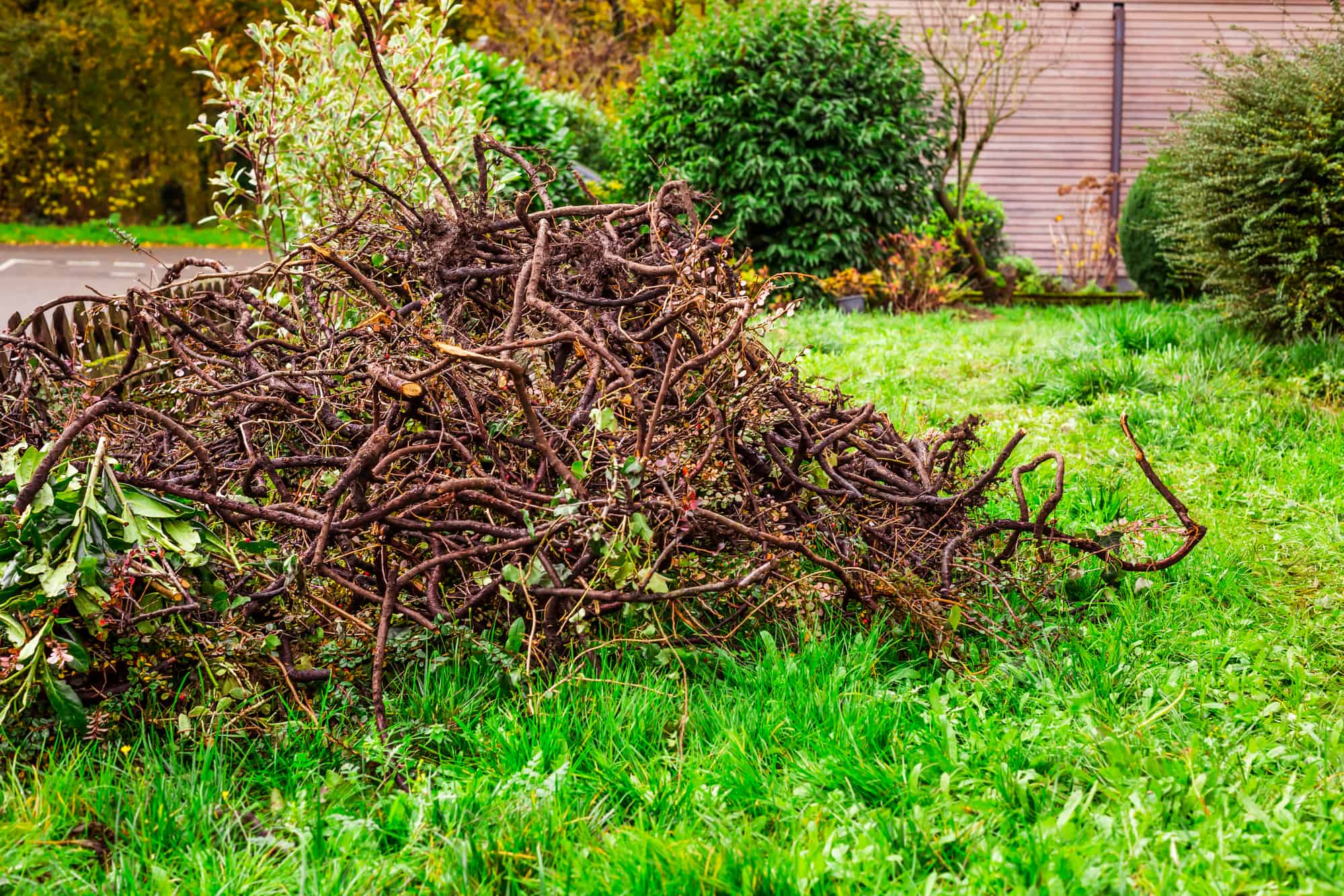
That pile of pruned branches you’ve been meaning to haul away is a natural fortress for small birds. It offers critical protection from predators and harsh weather that no store-bought birdhouse can match. Birds use brush piles like a subway system, darting between branches to escape hawks or find shelter in a storm. Your “messy” corner is their lifeline.
Native Plants Instead of Pretty Exotics
Native species support dramatically more species of caterpillars and insects than non-native species, providing the foundation for a strong backyard ecosystem. This means that birdwatchers with native backyard plants are likely to support more birds than non-native plants.
Having co-evolved alongside wildlife for thousands of years, native plants support so many more species than non-native species. Non-native plants, including trees, flowers, and shrubs, fail to support the diversity of insect life that in turn support a backyard full of birds, including insect-eating hummingbirds.
Earlier we stressed that native plants are a must in your garden, and this is one example why. Native plants attract native bugs that are vital to birds.
If the bugs aren’t around to eat because your landscape is filled with nonnative plants, your birds suffer greatly!
Exotic ornamental plants may look beautiful, but to birds, they’re like restaurants with no food. Native plants, on the other hand, support the insects that baby birds need to grow. For example, a single native oak tree can support over 500 species of caterpillars, which are protein-packed meals for nestlings. A yard that’s a little wild around the edges is often the most functional and bird-friendly.
Feeders at Different Heights

Birds have different comfort zones for feeding. Some prefer to eat on the ground, others like platforms, and many feel safest high up. A single feeder at one height is like a restaurant with only bar stools; it limits who can visit. By offering multiple feeding stations at various heights, you can accommodate everyone from ground-feeding sparrows to canopy-loving finches.
Shallow Water Dishes for Small Birds
However, the very best bird baths are the ones that mimic the water features that birds encounter in nature. Birds enjoy shallow puddles of water and slow, babbling streams.
In addition to food, Blue Jays also need access to water. A birdbath is a great way to provide water for Blue Jays and other birds.
If you don’t have a birdbath, you can place a shallow dish of water in your yard. Just make sure to change the water frequently to prevent the spread of disease.
1) Birds need to avoid falling into deep water, especially in the cold winter months. Using stones, sticks, or a bird bath with built-in standing ledges will keep them from becoming injured or drenched.
Get our free Hummingbird Attraction Guide! Plus, we'll send you our best tips for attracting more birds to your yard.

Deep bird baths can be a drowning hazard for small songbirds. They need water that is no more than a couple of inches deep to drink and bathe safely. Tiny birds like wrens and chickadees will avoid deep water. Shallow dishes, overturned garbage can lids, or even large plant saucers with a few stones provide the perfect wading-pool experience that small birds need.
Dense Shrubs for Quick Escapes
Make sure your bird feeders are placed far enough from dense cover like shrubs so that birds can escape predators such as cats. 10 feet is a good distance.
Dense trees and shrubs offer cover from rain and wind. Under the eaves of buildings or porches is another favorite storm shelter.
Once the storm passes, the birds will quickly return to flower and feeder visits.
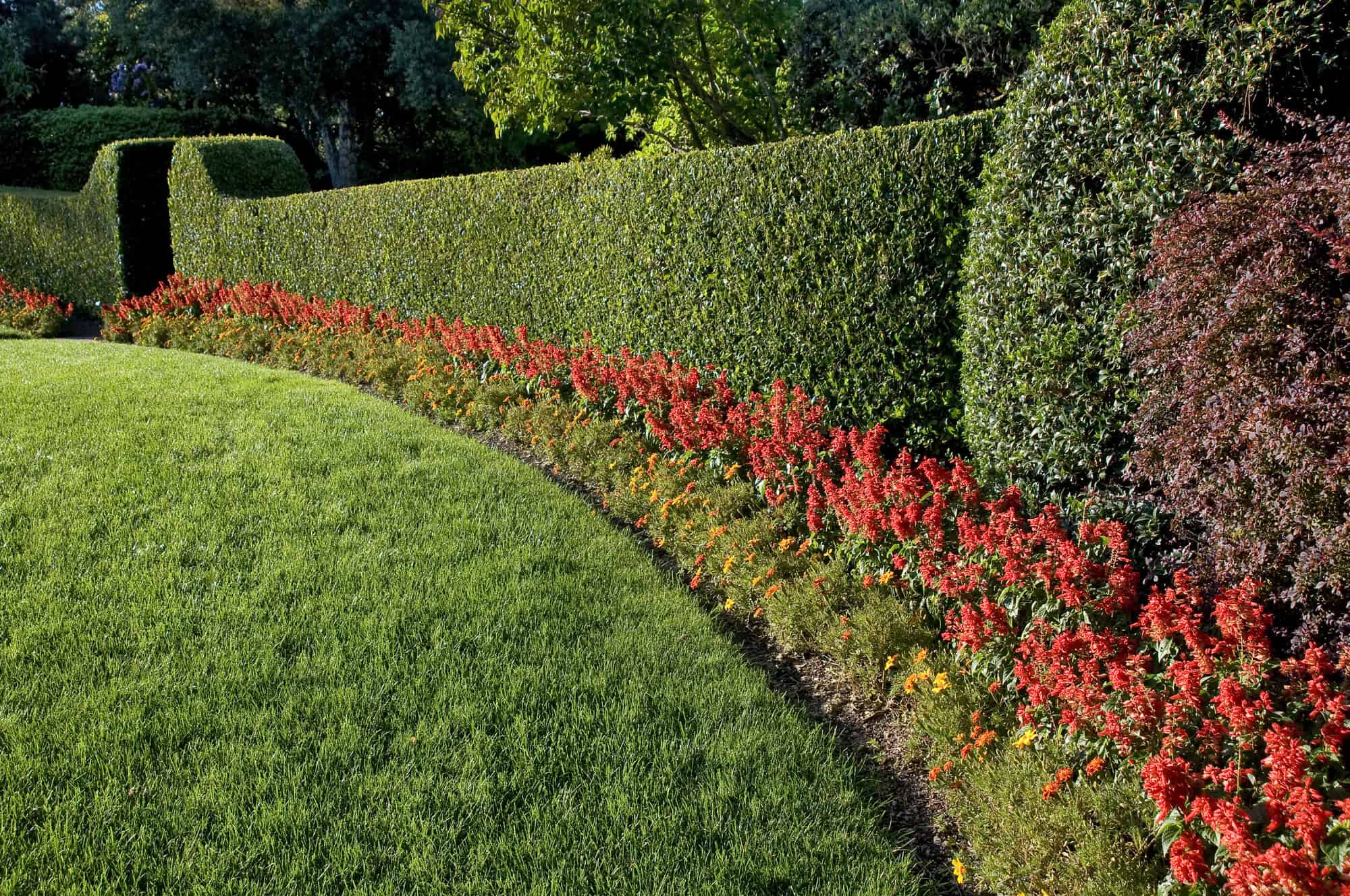
Birds are always scanning for escape routes. Dense shrubs are the panic rooms they need to feel secure. These living fortresses should be placed a quick flight away from feeders and water sources. Without nearby cover, even the most tempting feeder will feel too risky for cautious birds to visit regularly.
Flowers Left Standing Through Winter

Those brown, dried flower heads you’re tempted to prune are nature’s bird feeders. They are packed with seeds that sustain birds through the lean winter months. Coneflowers, black-eyed Susans, and ornamental grasses become self-serve buffets that don’t need refilling. Resisting the urge to “clean up” your garden in the fall provides a natural food source that birds have relied on for thousands of years.
Muddy Spots That Never Get Fixed

A perpetually soggy spot in your yard isn’t a failure—it’s a goldmine. Birds like robins and swallows need mud to build their nests. The moist soil also harbors worms and grubs that can’t survive in dry lawns. Sometimes the “problem” areas in your yard are actually the most valuable for wildlife.
Windows Birds Can Actually See
You can reduce the number of birds hitting your windows by taking simple preventative measures like moving interior plants away from your windows, repositioning your feeders, and installing window decals, screens, or two-way film. Up to a billion birds die hitting windows in the United States every year, according to the American Bird Conservancy.
Nearly 50 percent of these collisions are with home windows. Here’s the game-changing research that proves window feeders actually save bird lives.
Studies show that birds flying at high speeds have difficulty stopping when they spot windows 15-30 feet away. However, when feeders are placed directly on windows, birds approach slowly and cautiously, dramatically reducing collision risk.
Research published in the Wilson Bulletin found zero collision fatalities when feeders were placed within 3 feet of windows, compared to increased mortality when feeders were 15-30 feet away. This counterintuitive finding has changed how wildlife experts recommend feeder placement, potentially saving millions of bird lives annually.
Crystal-clear windows that reflect the sky and trees create a deadly illusion for birds. Millions die each year from colliding with what they think is open space. Simple solutions like window decals, screens, or even soap markings can break up these reflections. Bird-safe windows don’t just prevent tragedies; they also make birds feel more comfortable visiting nearby feeders.
Outdoor Lights Kept Dim at Night
Migrating wild birds often become disoriented by artificial building light, wasting energy and sometimes colliding with buildings. Turning off your indoor and outdoor lighting at night is one way you can help birds as they move through your area.
Street lights at night in big cities can cause bird fatalities by disorientating birds, causing them to waste energy and collide with buildings, especially on their migration paths.
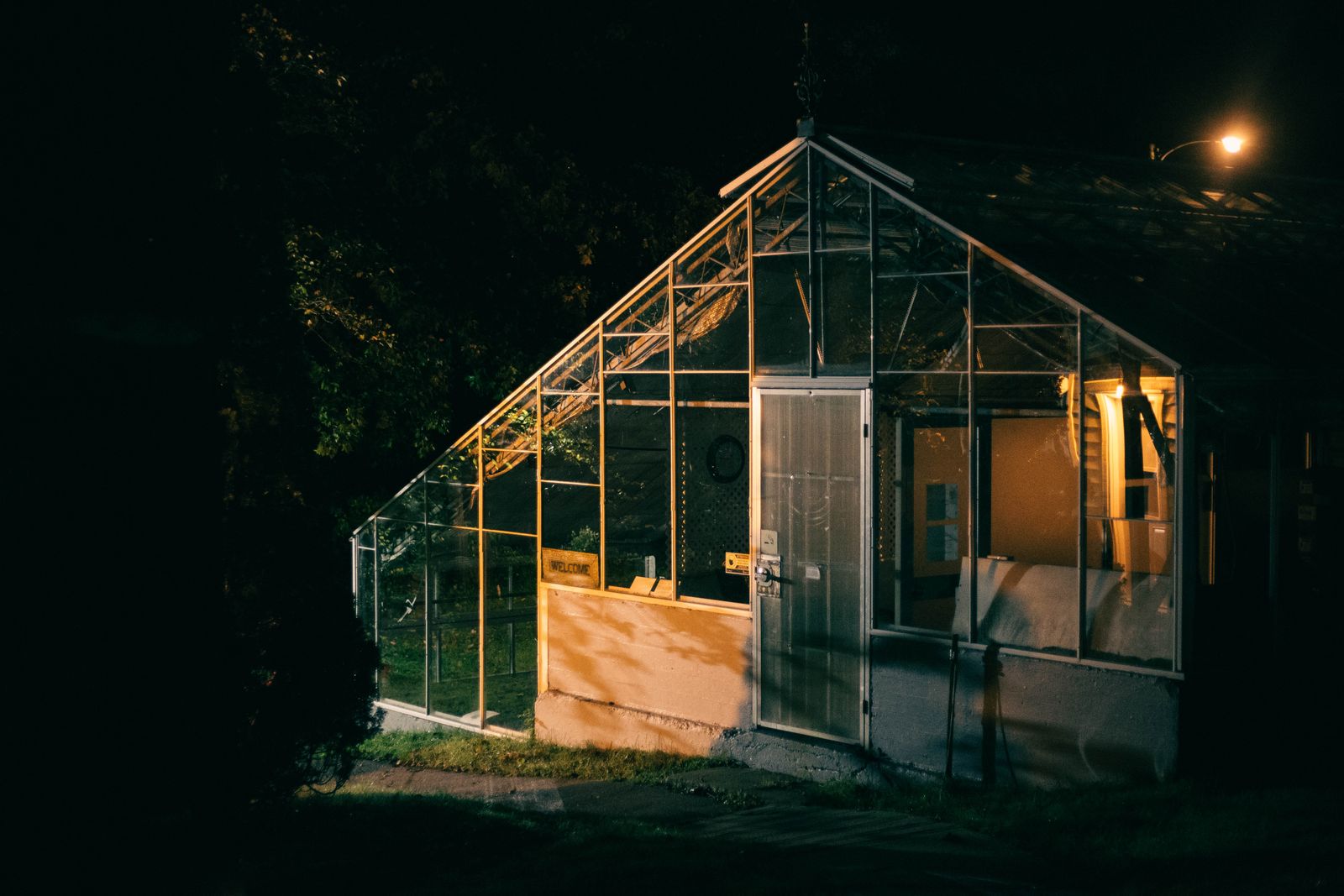
Bright outdoor lighting disrupts the natural darkness that birds need to rest and navigate. Migrating birds use the stars to find their way, and bright lights can confuse them, causing exhaustion. Soft, warm, downward-facing lighting provides the security you need while preserving the darkness that helps birds thrive.
Open Grass Areas for Ground Feeders
Vesper Sparrows are ground-dwelling birds that forage for seeds and insects in open grassy areas. They are often found in fields, meadows, and prairies, where their lovely songs fill the air during the twilight hours.
These sparrows build their nests on the ground, often hidden beneath clumps of grass or in small depressions. These birds are most common in open areas, seen foraging for insects in summer and seeds on the ground.
You may spot them in parks, golf courses, meadows, grasslands, and lawns.
While dense cover is crucial, birds also need open areas where they can hunt for insects and seeds while watching for predators. These clear zones act like airport runways, giving ground-feeding birds like robins and juncos the visibility they need. The ideal bird yard balances open feeding areas with nearby protective shelter.
Natural Nesting Materials Left Around
The female hummingbird constructs her nest from grasses, twigs, and other plant materials, weaving these together and holding them in place with spider silk. She forms the bird nest in layers, tamps down the materials, and shapes them using her feet.
She often uses soft materials like thistledown or dandelion heads to line the nest and lichen or other materials to disguise the outside. House finches regularly visit gardens, backyards, and suburban neighborhoods for nesting materials and food.
They’re not shy around people, so you won’t have to get too clever to invite them over.

Those fallen twigs, dried grass clippings, and even pet fur you constantly clean up are premium building materials for birds. Leaving these items scattered around your yard is like opening a free hardware store for busy bird parents. A small pile of nesting materials can be the deciding factor for a bird choosing your yard to raise its family.
Reliable Water Sources Year-Round
Something that is often overlooked when people seek to provide birds with winter shelter and food is that they require reliable water sources for drinking – even during the coldest part of the year. A heated bird bath allows birds who overwinter in your neighborhood to find water easily and safely.
This not only protects the birds’ well-being through the colder months, but it also gives you the chance to see birds all year round. There are several easy ways to do this, such as setting out a birdbath or hanging a bird feeder from a tree branch.
By taking these steps, you can help ensure that birds have access to water even when natural sources are frozen solid.

A water source that dries up or freezes is unreliable. A year-round water supply, like a heated bird bath, is a dependable resource that birds will remember and return to. Consistent access to water is often more important than food, especially in winter when natural sources are frozen solid.
Quiet Spaces Away from Noise
They should be placed in a quiet spot, away from other busy feeders and areas busy with human activity. Too many avian visitors and too much ‘traffic’ can put off some more timid suet-eating birds.
Don’t hang the feeder at your busiest window. If there is a room in your house with constant activity, the birds may be frightened away by this.
It’s better to hang the feeder where you are able to watch the birds, but not where they are going to be startled by human movement and noise.
Constant noise from leaf blowers, traffic, and stereos can make a yard feel stressful for birds. They communicate through subtle sounds that are easily drowned out. Creating quiet zones, buffered by plants or fencing, gives birds the peaceful environment they need to communicate and nest. Even a small pocket of tranquility can make your yard a permanent home rather than a brief stop.
Frequently Asked Questions (FAQ)
1. Is it safe to leave a dead tree standing in my yard?
It depends. If the tree is far from your house, structures, or play areas, it’s generally safe and provides immense value for wildlife. However, if it poses a risk of falling on property or people, safety comes first. In that case, consider having an arborist remove the dangerous limbs but leave a shorter, stable trunk (e.g., 10-15 feet high) to serve as a wildlife snag.
2. How often should I clean my bird baths and feeders?
Cleanliness is crucial to prevent the spread of disease. Bird baths should be scrubbed and rinsed every 2-3 days, or daily in hot weather. Feeders should be cleaned at least once every two weeks, and more often if they are wet or crowded. Use a solution of nine parts water to one part vinegar, scrub thoroughly, rinse well, and allow them to dry completely before refilling.
3. My HOA has strict rules about “messy” yards. How can I still help birds?
You can still create a great bird habitat within HOA rules. Opt for a “wild but tidy” look. You can create a brush pile in a discreet corner behind a shed or screen of evergreen shrubs. Choose native plants that have a neat, tidy appearance. Instead of leaving your whole garden standing in winter, you can leave a designated patch of seed-bearing flowers in a less visible area. A small water dripper in a clean bird bath is also a tidy and highly effective feature.
4. Won’t leaving out food and creating shelter attract pests like rats or mice?
This is a valid concern, but it can be managed. To avoid attracting rodents, use feeders that are designed to catch fallen seed or use no-mess seed blends. Store birdseed in sealed, chew-proof metal containers. Clean up spilled seed on the ground regularly, especially at night. Brush piles are more likely to attract beneficial wildlife like native reptiles and amphibians than rats, especially if your yard is otherwise clean and free of garbage.
5. What are the best “starter” native plants to attract birds?
A great way to start is with plants that offer food and cover. For flowers, consider Coneflowers (Echinacea), Black-eyed Susans (Rudbeckia), and Sunflowers (Helianthus), as they provide seeds birds love. For shrubs, Serviceberry (Amelanchier) offers berries and nesting sites, while Viburnums provide fruit and dense cover. If you have space for a tree, a native Oak, Cherry, or Maple will support the highest number of insects for baby birds.
What empty yards are missing
| Spec | What our writers say |
|---|---|
| Moving water | Spray, drip, or bubble noise draws birds in |
| Snags | Dead or dying trees give shelter, food, and nest cavities |
| Brush piles | Cheaper cover than a birdhouse; leave overgrown corners |
| Native plants | Support far more caterpillars and insects than exotics |
| Shallow water | Shallow puddles, or a shallow dish changed often |
| Deep-water safety | Stones, sticks, or standing ledges keep birds from falling in |
| Cover distance | About 10 feet from dense shrubs so birds can escape cats |
| Windows | Up to a billion US window deaths a year; cover the glass |
| Feeder-to-window | Zero collision fatalities in one study when feeders were within 3 feet |
| Night lights | Turn indoor and outdoor lights off so migrants are not disoriented |
| Winter water | A heated bath keeps drinking water open for year-round birds |
📷 Show us your feeder setup! Share a few photos of your feeders and you might be featured on Wild Bird Scoop. Share your setup →