Back in my early bird watching days, we didn’t always have fancy feeders and store-bought solutions. Nature provided everything birds needed, and with some thoughtful planning, your yard can, too.

The Camera Feeder We Use In Our Own Backyard
See Today's PriceWhether you’re looking to attract birds more naturally or want to supplement your existing feeders, here are some time-tested ways to bring feathered friends to your yard without traditional bird feeders.
Save this article for later so you don't lose it. Enter your email and I'll send it to you now—plus you'll get my favorite backyard birding tips delivered to your inbox.
1. Plant Berry-Producing Shrubs

By far, the best way to feed the birds in your garden is to plant plenty of fruit trees and berry-producing bushes and canes and to plant for as much biodiversity as possible, so you naturally feed and provide habitat for as many different bird species as possible. Shrubs (fruit and berry bushes, evergreens, and deciduous species…).
Shrubs native to your area can also be very important in a wildlife-friendly garden. Many bird species will be attracted to stand-alone shrubs and especially hedgerows, which are wonderful avian habitats for a range of species.
These too can provide perches, shelter, nesting and brooding sites, and a wealth of food – both plant foods and insects that can also be attracted to shrubs – especially flowering ones.
2. Create a Water Feature

Of course, birds need water to drink, and for bathing. But many birds are also attracted to water due to the insect life it attracts.
And many species will also be drawn to a space by the sounds of running or moving water. A fountain bird bath is really enticing to feathery visitors.
It resembles a pedestal bath, but has a spray, drip, or bubble feature in the middle. You can find them as a single basin or with several tiers.
Get our free Hummingbird Attraction Guide! Plus, we'll send you our best tips for attracting more birds to your yard.
The noise of the water will catch the birds’ attention and encourage them to come visit. These can be solar powered.
3. Maintain Natural Meadow Areas

Perhaps the very best habitat to attract and support hummingbirds is a wildflower meadow. Even if you only have a small backyard, planting a small area of wildflowers can do wonders for native birds, as well as insects, amphibians, reptiles, and mammals.
A great way to establish a wildflower meadow is to sow seeds on bare ground on poor-quality soil. In these conditions, wildflowers are likely to outcompete grasses and bloom heavily.
4. Build Brush Piles

House wrens don’t visit backyard feeders, but you can still attract them to your garden by offering them overgrown weedy corners with some brush piles where they’ll love foraging about for insects and spiders. Wrens are some of the most endearing of all backyard birds, and you can encourage them to visit your home by offering them a scruffy corner of the garden, full of weeds and brush piles where they’ll love foraging for insects and invertebrates.
5. Plant Native Sunflowers

Native sunflowers are like nature’s bird feeders. Plant them in clusters and let them go to seed naturally – finches, chickadees, and other seed-eating birds will flock to them.
The tall stalks provide perfect perches, and the large flower heads offer easy access to nutritious seeds throughout the fall and winter.
6. Cultivate Fruit Trees

Consider native fruit trees and berry bushes suited to cultivation in your particular area and garden. Growing fruit and berries will provide food sources for local birds and you and will do so in a far more sustainable and eco-friendly way.
Some US native fruit trees that you might be able to consider growing alongside or instead of peaches and other non-native fruits include crabapples, persimmons, American pawpaws, red mulberries, native cherries, American plums, elderberries, serviceberries, and native hawthorns, for example.
7. Create Rock Piles
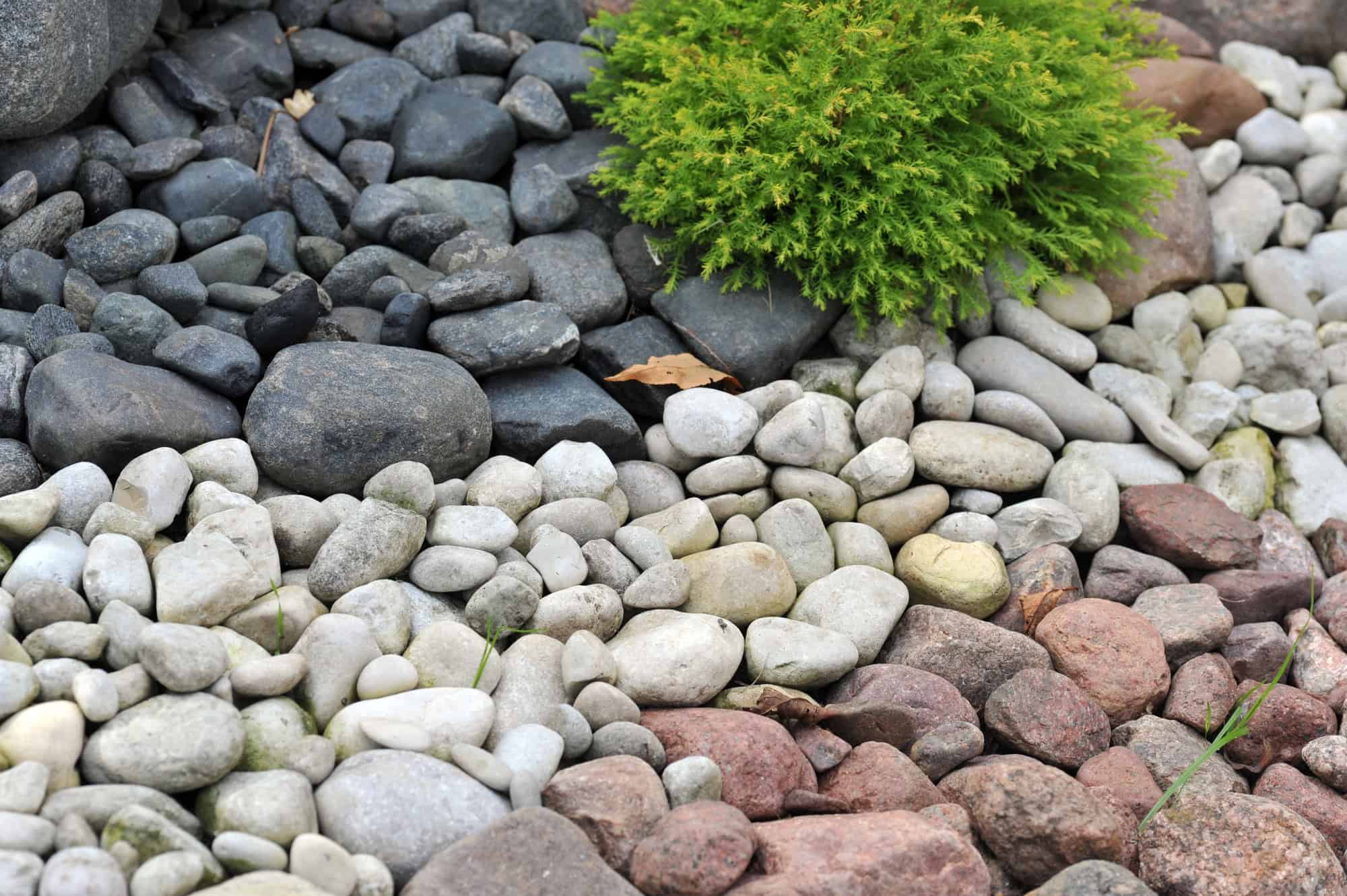
Arrange rocks of various sizes to create natural perches and hiding spots for insects that birds eat. These rock gardens warm up in the sun, attracting insects and providing perfect bird basking spots.
The spaces between rocks also naturally collect seeds, creating mini feeding stations.
8. Leave Dead Tree Snags

Snags – Dead or dying trees create a snag which provides many necessary elements for wildlife survival, by supplying shelter for homes and safety from predators and food. If you’re lucky, you will have a dead tree trunk that you can leave safely standing in your yard, far away from where it can fall and cause damage to any people or property.
Attracting birds without a seed feeder
| Spec | What our writers say |
|---|---|
| Shrubs | Fruit and berry bushes, evergreens, and deciduous species |
| What shrubs give | Perches, shelter, nest sites, plant food, and insects |
| Water sound | Spray, drip, or bubble; solar fountains work |
| Meadow | Even a small wildflower patch helps native birds |
| Meadow start | Sow on bare, poor soil so wildflowers outcompete grass |
| Brush piles | Wrens forage them for insects and spiders |
| Native fruit trees | Crabapples, persimmons, pawpaws, mulberries, cherries, plums |
| Snags | Shelter, safety from predators, and food |
| Snag safety | Leave a dead trunk only where it cannot fall on people or property |
📷 Show us your feeder setup! Share a few photos of your feeders and you might be featured on Wild Bird Scoop. Share your setup →