

Want to make your yard the talk of the local bird community? Creating a bird-friendly environment isn’t just about hanging up a feeder and calling it a day. From natural food sources to cozy shelter spots, there are plenty of ways to transform your outdoor space into an avian paradise that’ll have birds spreading the word to their feathered friends.
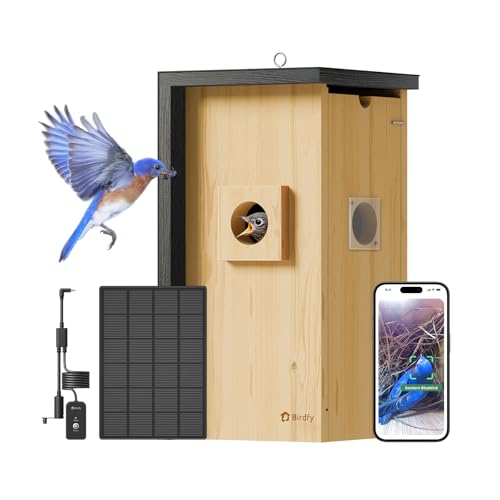
Birdfy Solar Powered Bird House with Camera
Check Price1. A Variety of Native Plants

Native plants are like a five-star restaurant for local birds, offering exactly the food they’ve evolved to eat. Black-eyed Susans, purple coneflowers, and cardinal flowers aren’t just pretty to look at – they’re natural bird magnets that provide seeds, nectar, and attract insects that birds love to snack on. These plants have co-evolved with local bird species over thousands of years, making them the perfect addition to any bird-friendly yard.
Save this article for later so you don't lose it. Enter your email and I'll send it to you now—plus you'll get my favorite backyard birding tips delivered to your inbox.
2. Moving Water Features

Birds are naturally drawn to the sound and sight of moving water, which signals a safe drinking and bathing spot. A simple solar fountain or water wiggler in your birdbath can turn it from a static pool into an irresistible attraction. The moving water also prevents mosquito larvae from developing and keeps the water fresher longer, making it a win-win for both you and your feathered visitors.
3. Multi-Level Feeding Stations

Different birds feed at different heights, so offering multiple feeding stations at various levels will attract a wider variety of species. Ground feeders like juncos and doves prefer platform feeders near the ground, while chickadees and finches are comfortable at higher levels. Creating this vertical buffet ensures everyone gets a seat at the table and helps prevent overcrowding.
4. Dense Shrubs for Shelter

Birds need safe places to hide from predators and the weather, and dense shrubs provide perfect cover. Evergreen shrubs like juniper and holly offer year-round protection and often provide berries as an added food source. These natural hideaways also serve as ideal nesting sites during breeding season, making your yard a true bird sanctuary.
5. Natural Nesting Materials

Leaving natural materials like twigs, grass clippings, and pet fur in your yard provides birds with essential building supplies for their nests. You can create a dedicated nesting material station by filling a suet cage or mesh bag with these materials. Just remember to avoid using dryer lint or synthetic materials, which can be harmful to birds.
Get our free Hummingbird Attraction Guide! Plus, we'll send you our best tips for attracting more birds to your yard.
6. Brush Piles

A strategically placed brush pile made from fallen branches and twigs creates a natural shelter that birds love. These mini habitats provide protection from predators and harsh weather while also attracting insects that birds feed on. Position your brush pile near other bird-friendly features but away from your house to create a safe haven for your feathered friends.
7. Diverse Seed Selection

Different birds have different dietary preferences, so offering a variety of seeds will attract more species. Black oil sunflower seeds are a universal favorite, nyjer seeds attract finches, and cardinals love safflower seeds. Keep seeds fresh and dry to prevent mold, and clean feeders regularly to prevent the spread of diseases.
8. Fruit-Bearing Trees

Trees that produce fruits and berries are like natural bird feeders that keep on giving. Serviceberry, dogwood, and crabapple trees provide essential food sources throughout different seasons. These trees feed birds and create perching spots and nesting sites, making them valuable additions to any bird-friendly landscape.
9. Pesticide-Free Zones

A chemical-free yard is a healthy yard for birds. Natural insect populations provide an important food source, especially for parent birds feeding their young. By avoiding pesticides, you’re protecting birds from harmful chemicals and ensuring they have access to the protein-rich insects they need to thrive.
10. Dead Tree Snags

If it’s safe to do so, keeping a dead tree or large branch (called a snag) can be incredibly valuable for birds. Woodpeckers, nuthatches, and other cavity-nesting birds use these for homes and feeding sites. The decomposing wood also attracts insects that provide additional food sources for many bird species.
11. Dust Bathing Stations

Birds love a good dust bath to keep their feathers clean and healthy. Creating a designated area with fine sand or dry, loose soil gives birds a natural way to maintain their plumage and control parasites. Place your dust bath in a sunny spot near protective cover, and you’ll soon see birds fluffing and tossing the material through their feathers with obvious enjoyment.
12. Vertical Gardens

Climbing vines and vertical gardens create natural highways for birds to travel safely through your yard. Plants like native honeysuckle, trumpet vine, and Virginia creeper provide both cover and food sources. These vertical elements also attract insects and offer excellent nesting sites for smaller birds, making your yard more appealing to various species.
13. Winter Weather Stations

Creating winter-specific features like heated bird baths and windbreaks can make your yard a year-round destination. During the coldest months, high-fat foods like suet become crucial for birds’ survival. Installing roosting boxes or creating dense evergreen areas provides essential shelter from harsh winter conditions, making your yard a vital refuge when resources are scarce.