


If you’ve been watching bluebirds from afar and thinking, “I wish they’d visit my yard,” you’re not alone. The good news?

The Camera Feeder We Use In Our Own Backyard
See Today's PriceYou don’t need acres of open meadow to attract these stunning, insect-loving birds. With a few smart tweaks to your space—even a modest suburban lot—you can roll out the welcome mat for bluebirds year-round.
Save this article for later so you don't lose it. Enter your email and I'll send it to you now—plus you'll get my favorite backyard birding tips delivered to your inbox.
Why Bluebirds Love Your Smaller Yard

They nest in cavities, so you’ll need some trees that can provide nesting opportunities. Bluebirds don’t create their own nest cavities, instead relying on decaying trees or holes made by other animals, such as woodpeckers.
That dead tree in your backyard may not be the prettiest, but if a bluebird is using it, make sure you don’t remove it if you want to keep the bluebirds around. If you don’t already have bluebirds in your yard regularly, but you’re hoping to attract them, place the feeder out in the open where bluebirds can easily see it.
There’s no guarantee that you’ll attract a backyard full of bluebirds, but it’ll give you the best possible chance. Start by planting native plants and trees that provide birds, insects, and other animals with places to nest and live.
Bluebirds like open areas with trees scattered around for nesting and cover.
Pick the Perfect Nest Box Spot

Location – The first thing you’ll need to do is choose the location for your nesting box. Bluebirds prefer open areas with little or no vegetation, so avoid placing the box near trees, bushes, or tall grass.
You’ll also want to ensure the box is placed in an area where it will get plenty of sun during the day. Install your nesting box so that it faces the southwest, protecting the birds against wind and precipitation.
Ideally, you will mount it on a 4×4 pole or post–rather than on a fence post or on a tree. It should be 5-6 feet above the ground.
Build or Buy the Right Nest Box

Bluebirds typically nest in cavities that are 1-1/2 inches in diameter, so make sure the entrance hole on the birdhouse is this size. If it’s too small, other birds may try to take over the house, and if it’s too big, predators could get inside.
The North American Bluebird Society (NABS) has developed standards for bluebird nest boxes, which are based on over 50 years of research. If you’re interested in building or buying a nesting box, we recommend following these guidelines: The box should be made from 3/4″ thick western cedar wood, have a roof overhang of 2 1/2″ on the front, up-drilled air vents, and a 5″ drop (distance from the bottom of the entry hole to the floor).
Finally, add a predator guard. A simple metal or wooden baffle below the box on the mounting pole helps deter raccoons, snakes, and cats.
You can also install a metal guard around the entrance hole to prevent woodpeckers or squirrels from enlarging it.

WHITEHORSE Cedar Bluebird House Weatherproof Nest Box
Check PriceAdd Perches for Hunting and Resting

Bluebirds are perch hunters—they like to sit and scan the ground below before diving down to snag insects. If your yard feels too open or lacks natural perching spots, you can easily add a few.
Garden stakes, T-posts, or decorative fence posts scattered around your lawn give bluebirds the vantage points they need.
Get our free Hummingbird Attraction Guide! Plus, we'll send you our best tips for attracting more birds to your yard.
Bluebirds like to perch on telephone wires and fly above open fields. However, if you add lucrative food to your bird feeders, such as mealworms, insects, and berries, they can stop by your backyard!
To hunt, Eastern bluebirds assume low perches; a vantage point allowing them to identify potential insect prey. Eastern bluebirds hover low over the insect and catch it while flying.
It can also catch flying insects in mid-air. So make sure that you provide perches in trees or shrubs in your garden – planting to provide this as well as food wherever possible.
When waiting for these plants to grow, you might also place man-made perches to make your garden optimal for birds to use
Offer Fresh Water They Can’t Resist
Add a birdbath nearby. Birds love the opportunity to bathe in clean, fresh water, and a birdbath can help your backyard birds feel safe and invited to your yard.
A nearby birdbath goes a long way in bringing birds right up to your window. Changing the water in your birdbath every few days is a good idea to keep it clean and fresh.
If you live in an area with hard water, you may need to change the water more often to prevent mineral buildup. Birds need a safe, clean source of water all year, not just when temperatures are high.
Providing them with water is a kindness, not just something that helps you see more bird varieties and individuals.
Add a few flat rocks or pebbles to create varied depths and give smaller birds secure footing. Place the bath in a spot with nearby perches—a low shrub or fence post within 5 to 10 feet works well—so birds can survey the area before committing to a dip.
If you really want to up your game, add a dripper or small fountain. The sound and movement of flowing water are irresistible to bluebirds and will catch their attention from a distance.
Supplement with Mealworms and Berries

While bluebirds are primarily insectivores, offering mealworms—especially during nesting season—can make your yard a bluebird magnet. Place live or dried mealworms in a shallow dish or specialized mealworm feeder near your nest box.
Live mealworms are often more enticing, but dried versions work well once bluebirds learn to recognize them as food.
Provide food – Bluebirds are insectivores, so they primarily eat insects. You can attract them to your yard by providing a source of food, such as live mealworms or insect-attracting plants.
You can either buy dried or live mealworms, the larva of mealworm beetles. Bluebirds are a favorite of many birdwatchers and are known to enjoy mealworms.
Once bug-eating birds find out that you have mealworms on offer, expect them to start visiting regularly. The North American Bluebird Society recommends live mealworms during the breeding season since dried mealworms don’t contain much moisture for baby birds.
A little bit of water can help soften up dried mealworms.

WORMSKING 2LB Dried Mealworms for Birds
Check PriceProtect from Predators the Smart Way
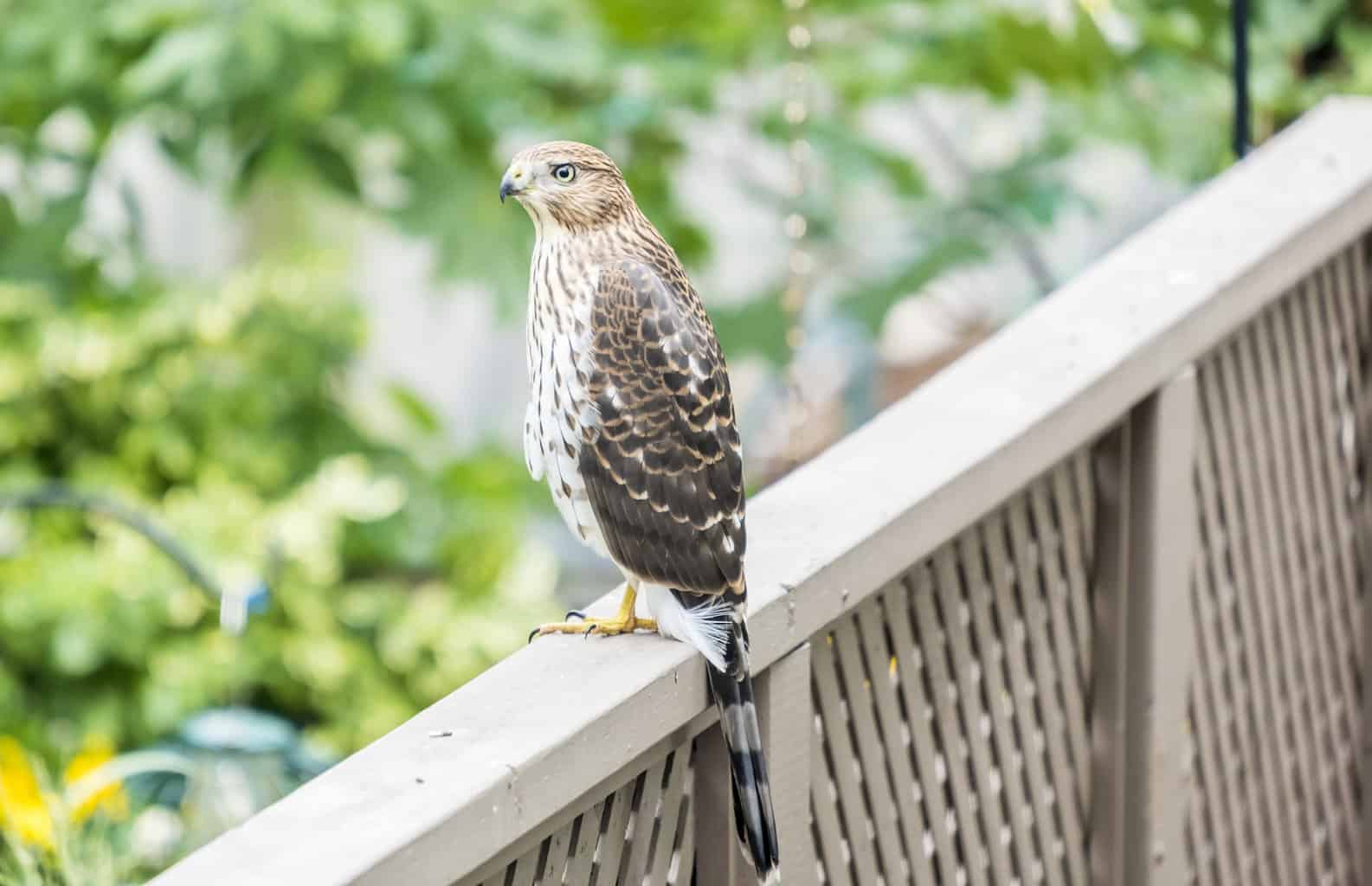
Creating a safe environment is just as important as providing food and shelter. Predators like raccoons, snakes, house cats, and House Sparrows can threaten bluebird nests, so it’s worth taking a few precautions.
Installing a metal pole baffle below your nest box is one of the simplest and most effective deterrents. These cone-shaped guards prevent climbing predators from reaching the box.
Bluebirds are prey birds who have a long list of foes, in addition to hawks. Common bluebird predators include things such as cats, nest parasites, snakes, and house wrens — especially house wrens.
Predator Guards – As we mentioned before, bluebirds are often preyed upon by snakes, raccoons, and other animals. To help protect the birds, look for a nesting box that has predator guards or that is made from metal or PVC pipe, which predators can’t chew through.
Keep outdoor cats indoors, especially during nesting season. Even well-fed cats pose a serious risk to ground-feeding and low-nesting birds.
If House Sparrows become a problem—they’re known to aggressively take over bluebird boxes—consider using specialized sparrow traps or relocating boxes away from buildings where sparrows tend to concentrate.
Bluebird nest box at a glance
| Spec | What our writers say |
|---|---|
| Entrance hole | 1½ inches across — smaller and other birds take over, larger and predators get in |
| Wall stock | ¾-inch western cedar |
| Roof overhang | 2½ inches at the front |
| Interior drop | 5 inches from hole to floor |
| Ventilation | Up-drilled air vents |
| Perch | None — perches give predators somewhere to reach in from |
| Height | 5–6 feet above the ground |
| Mounted on | A 4×4 pole or stand-alone post, not a fence rail or tree |
| Facing | Southwest, away from wind and precipitation |
| Surroundings | Open ground, away from trees, bushes and tall grass |
| Predator guard | Metal or PVC pipe collar predators cannot chew through |
📷 Show us your feeder setup! Share a few photos of your feeders and you might be featured on Wild Bird Scoop. Share your setup →





