

Remember when your grandmother could name every bird at her hollyhocks? Those days aren’t gone – they’re just waiting in your backyard.

The Camera Feeder We Use In Our Own Backyard
See Today's PriceThese 22 native plants will transform your garden into a bird sanctuary so irresistible, you’ll discover the secret that master gardeners have been keeping to themselves for decades. (Hint: it’s hiding in the “mistakes” section at the very end.)
Save this article for later so you don't lose it. Enter your email and I'll send it to you now—plus you'll get my favorite backyard birding tips delivered to your inbox.
Purple Coneflower: The Goldfinch’s All-You-Can-Eat Buffet

Watch a goldfinch balance on these sturdy purple blooms, and you’ll understand why they’re nature’s perfect bird feeder. The seedheads last well into winter, providing an all-season buffet that makes those expensive nyjer feeders look like fast food.
Even better? They self-seed so enthusiastically, your grandkids will thank you for the garden they inherit.
You can start your own patch easily with coneflower seeds sown directly in fall or early spring.
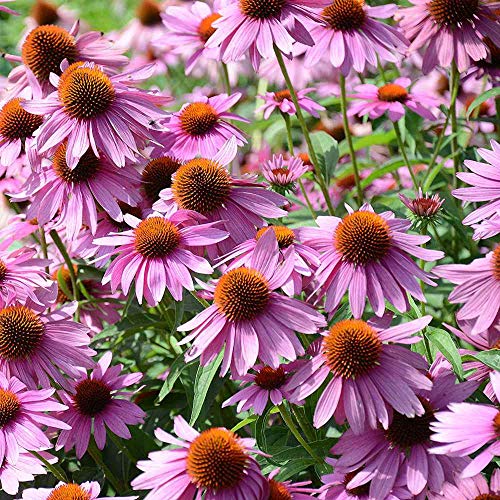
Outsidepride Purple Echinacea Coneflower Seeds
Check PriceCardinal Flower Attracts Hummingbirds

The Cardinal Flower’s blooms are shaped in such a way that only Hummingbirds are able to reach inside to partake of the nectar. The Hummingbird is the only one that is able to return a favour to the plant in a significant way.
Cardinal flower: For the eastern United States and Canada, the Great Plains states, and Southwest, we have the cardinal flower, which shares a name with another North American bird but is another fantastic plant for hummingbirds.
American Elderberry Feeds Garden Birds
Native elderberries Sambucus nigra var. Canadensis, (American black elderberry), Sambucus nigra var.
cerulea (blue elderberry), and Sambucus racemosa (the red elderberry)all have berries that are edible to us in moderation. Birds love elderberries too and will be attracted to eat the berries when you grow them in your garden.
Elderberry species really are a great choice for wildlife-friendly and productive spaces.

Sure, your grandmother made jelly from these berries, but today’s birds are getting the whole harvest. Each umbrella of dark fruits becomes a gathering spot for everything from cardinals to catbirds, turning late summer into a feathered festival.
Plant where you can see it from the kitchen window – these berries disappear faster than cookies at a church social. Starting with a young elderberry plant gives you a head start on berries by the second year.

QETUOA Luxury 8cm Silk Business Tie
Check PriceBlack-Eyed Susan: Where Chickadees Check In But Never Check Out

These cheerful yellow flowers are like the neighborhood diner where all the regulars know each other. Come fall, their seedheads turn into nature’s bird feeder, drawing chickadees and finches who perform acrobatics worthy of the Olympics.
Leave the stalks standing through winter – they’re better entertainment than anything on your 200 channels.
Native Sunflowers: Because Finches Love Their Seeds Like We Love Coffee

Forget those giant Russian sunflowers – our native varieties are like an all-day breakfast spot for goldfinches. The smaller heads mean less waste, and the birds can perch more easily than on those plate-sized monsters.
Plant a patch where you can watch from your own breakfast nook, and you’ll never need morning television again.
Serviceberry: The Tree That Feeds Birds Better Than Your Old Bird Feeder

Also known as Juneberry, this four-season wonder produces berries so popular with birds, they’ll fight over them like kids at a penny candy counter. Spring brings clouds of white flowers that cedar waxwings discover before you’ve had your morning coffee.
By June, robins will be posting lookouts to guard “their” tree.
Did You Know?
A single serviceberry tree can produce berries for 20+ years and feeds over 40 species of birds including cedar waxwings, robins, and orioles. It’s one of the highest-value trees you can plant for wildlife per square foot.

Generic Autumn Brilliance Serviceberry Tree
Check PriceEastern Red Cedar: The Original Winter Bird Hotel

Before heated bird baths and fancy feeders, these evergreen sentinels were winter’s bed-and-breakfast for our feathered friends. The dense foliage offers cozy roosting spots warmer than your grandmother’s quilts, while the blue berries feed everything from bluebirds to evening grosbeaks.
One mature cedar provides more winter shelter than a dozen modern birdhouses.
Virginia Creeper: Where Cardinals Host Their Family Reunions
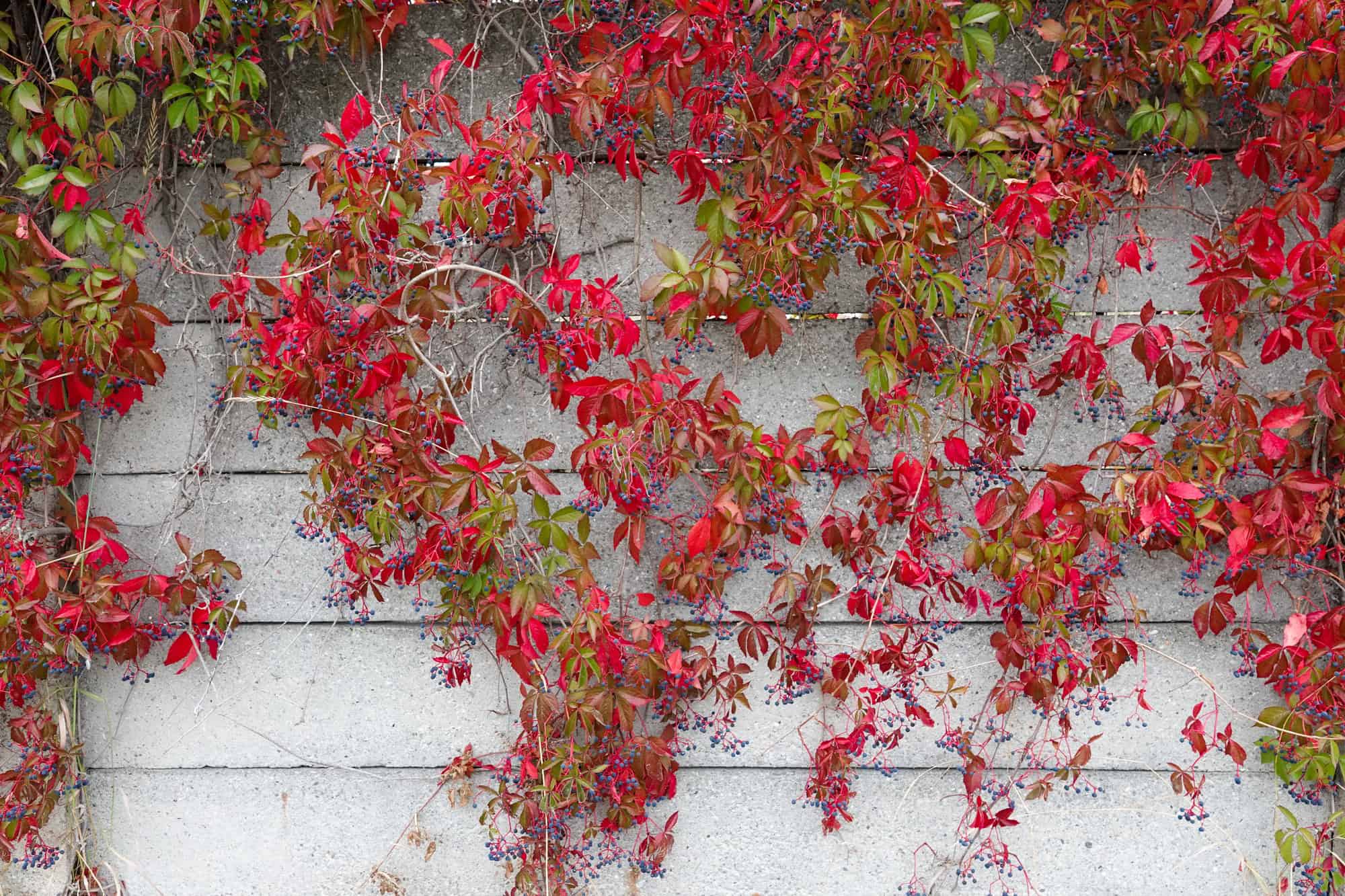
Don’t let anyone tell you this vine is just a nuisance – it’s actually cardinal catering at its finest. Those purple-black berries arrive just when migrating birds need them most, turning your autumn garden into Grand Central Station for woodpeckers, cardinals, and their extended families.
The fall foliage puts on a show that makes your neighbor’s imported Japanese maples look downright boring.
Trumpet Honeysuckle Beats Invasive Honeysuckle
Honeysuckle: You might be hard-pressed to find a flower that just feels like a hummingbird flower than trumpet honeysuckle, also known as coral honeysuckle, most prominently native in the Atlantic States, from Maine down to Florida. For those in the southern Great Plains and eastward, coral honeysuckle is a vibrant member of the honeysuckle family, with red tubular flowers and yellow stamen: a perfect combination for hummingbirds.
Because coral honeysuckle twines over any nearby foliage, it’s a great flower to plant along a fence or other structure. Japanese honeysuckle is amongst the most common invasive plants in the United States, though it’s far from the only one.
It’s not the only invasive honeysuckle invasive, either.

This isn’t the aggressive Japanese honeysuckle that ate your garden shed in 1975. Our native version is the well-behaved cousin that hummingbirds prefer, with coral trumpets that seem designed for their beaks.
Plant it near a porch where you can catch the evening show of hummingbird dogfights and moth visits. A trumpet honeysuckle vine planted near a fence or trellis will reward you with hummingbird visits for years.

Wellspring Gardens Trumpet Honeysuckle Coral Plant
Check PriceWild Bergamot Draws Hummingbirds

Wild bergamot/beebalm: Native to much of the United States, wild bergamot is a familiar plant. Even if you’re not familiar with it by name, you’ve likely seen it on a walk through a local prairie.
Wild bergamot is native to most of the eastern United States. It’s a tall, beautiful plant with each stem topped by a collection of purple tubular flowers that make it the perfect plant for hummingbirds and your flower beds.
Dogwood Berries Feed Cardinals
Carotenoids in native fruit like raspberries, wild grapes, or Dogwood berries are responsible for the red hues in cardinal feathers. Cardinals love these fruits, although they mostly eat them for their seeds.
Favorite berry shrubs, such as the dogwood, sumac, or mulberry, will do double duty as they attract cardinals to their fruit (and the seeds inside) while offering shelter.
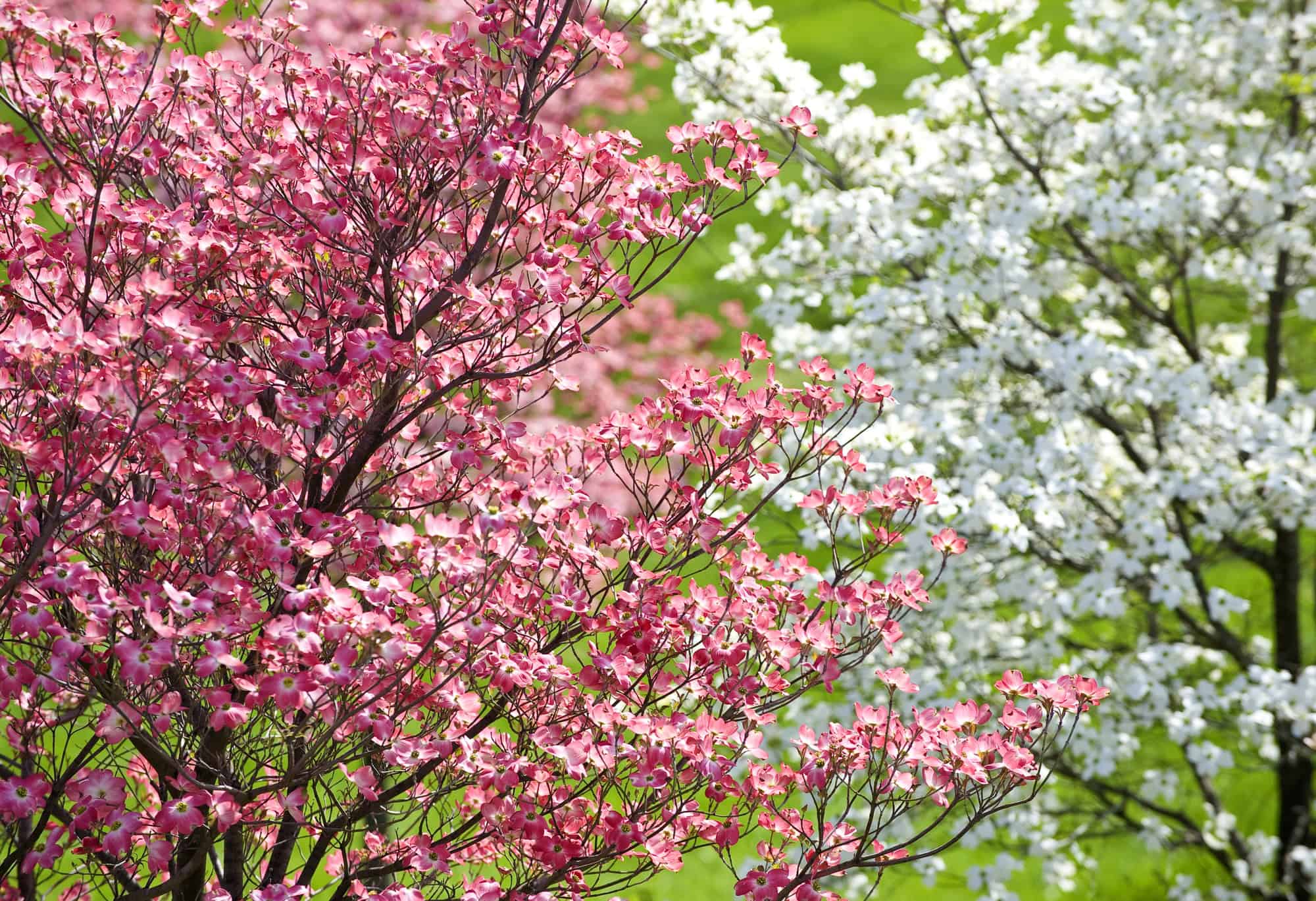
Before there were interstate rest stops, migrating birds depended on dogwood berries for their road trip fuel. Those red berries might look decorative to us, but to birds they’re as essential as truck stop diners on a cross-country drive.
The spring flowers aren’t just for show either – they’re protein-rich insect magnets that feed returning warblers. A flowering dogwood seedling is one of the best long-term investments for any bird-friendly garden.
Get our free Hummingbird Attraction Guide! Plus, we'll send you our best tips for attracting more birds to your yard.
American Beautyberry: Purple Berries That Birds Can’t Resist (But You Shouldn’t Try)

Those neon purple berries look like something from a sci-fi movie, but mockingbirds know they’re better than anything humans could dream up. Clusters of fruit cling to bare branches well into winter, providing emergency rations when other food sources are covered in snow.
It’s like having a 24-hour convenience store for birds right in your backyard.
Joe Pye Weed: The Butterfly Bush That Birds Actually Prefer

Don’t let the name fool you – this “weed” is more like nature’s bird-and-butterfly social club. Those tall purple flower heads attract insects all summer like a bug disco, creating an all-you-can-eat buffet for songbirds.
By fall, the seedheads become finch feeders that beat anything you could buy at the garden store.
Common Milkweed: Where Monarchs Check In and Birds Check Them Out

This isn’t just monarch butterfly real estate – it’s prime bird-watching territory. Those silk-filled pods that once made perfect pretend beards now attract goldfinches who use the fluff for nest-building.
The thick stems become natural bird perches, better than any plastic swing from the garden center.
Northern Bayberry: The Winter Waxwing’s Last-Resort Diner

Before scented candles, these waxy berries perfumed colonial homes. Today, they’re emergency rations for cedar waxwings when winter gets serious.
The berries cling to branches long after other fruits have disappeared, like that one diner that stays open during snowstorms. Plant them in pairs – you need both male and female plants for berries, just like your grandmother’s old blueberry patch.
Winterberry Holly: December’s Bird Buffet When All Else Is Gone

Those bright red berries against winter snow aren’t just for your holiday photos – they’re survival food for robins and bluebirds when the world turns white. Unlike your grandmother’s English holly, this native version drops its leaves to show off berries that shine like Christmas lights.
Plant several females and one male, then watch the bird show from your warm kitchen window. Adding a winterberry holly to your garden creates a reliable winter food source that birds remember year after year.
Native Asters Feed Goldfinches

These attractive little birds like feeding on seeds, maple sap, and insects. If you’ve planted milkweed or asters, you may find a couple of American goldfinches in your backyard.
Pokeweed: The Controversial Beauty Your Birds Won’t Let You Remove

Yes, it’s technically a weed, but try telling that to the catbirds and thrushes who think it’s a five-star restaurant. Those purple-black berries might stain your grandkids’ clothes (just like they did yours), but they’re pure gold for fall migrants.
Let it grow in that back corner where nothing else wants to – your birds will thank you with endless entertainment.
Spicebush: The Understory MVP of Bird-Friendly Gardens

Before there were air fresheners, pioneer women used these aromatic leaves in their spring cleaning. Today, this shade-loving shrub serves as a nursery, cafeteria, and hiding spot for birds who prefer life’s slower lane.
Those bright red berries might look like Christmas decorations, but to wood thrushes and veeries, they’re the finest dining in the forest understory.
American Holly: Where Christmas Birds Come Year-Round

Forget those plastic holiday decorations – this is the real deal that cedar waxwings and robins have been counting on since before your great-grandparents strung their first Christmas lights. The dense, evergreen foliage provides year-round shelter better than any birdhouse, while those classic red berries feed winter birds when snow covers everything else.
Plant one where you can see it from your favorite reading chair – nature’s own Christmas card come to life.
Creating Your Bird Paradise: The Strategic Planting Guide
The secret to a bird magnet garden isn’t just what you plant – it’s how you arrange it. Think of your yard like a bird neighborhood, with different areas serving different purposes.
Create layers by planting tall trees like serviceberry and dogwood as the “canopy,” mid-height shrubs like elderberry and spicebush as the “understory,” and flowers like coneflowers and asters as the “ground floor.” This gives birds multiple levels to explore, just like their natural habitat.
Group plants in odd numbers (3, 5, or 7 of the same species) rather than single specimens. Birds feel safer when they have multiple escape routes and feeding options.
A cluster of three elderberry bushes will attract more birds than three single bushes scattered across your yard. This also creates the dense cover that birds need for nesting and protection from predators.
Pro Tip
The ‘Rule of Threes’ for bird gardens: plant at least 3 layers (canopy, understory, ground cover), choose at least 3 plants that fruit in different seasons, and group each species in clusters of at least 3.
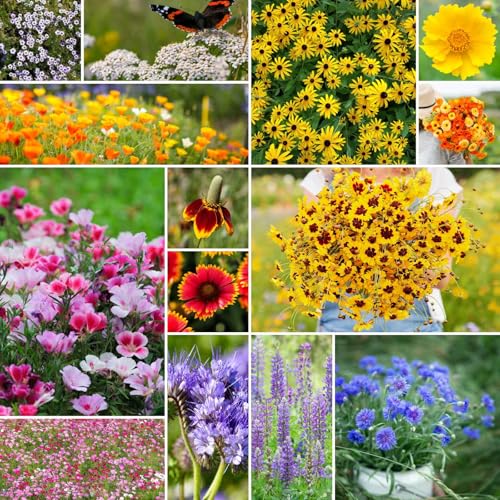
Eden Brothers Bird & Butterfly Wildflower Seeds
Check PriceSeasonal Timing: When to Plant for Maximum Bird Appeal
Spring planting gives your native plants a full growing season to establish before their first winter, but fall planting has a secret advantage – it mimics how nature does it. Many native seeds naturally drop in fall, spending winter in the ground before sprouting in spring.
Fall-planted natives often develop stronger root systems and require less watering the following summer.
For immediate bird appeal, focus on quick-establishing annuals and perennials in your first year while waiting for trees and shrubs to mature. Plants like sunflowers and black-eyed Susans will attract birds within months, while your serviceberry and dogwood trees build the long-term foundation of your bird habitat.
Match Native Plants to Your Local Birds
Native plants are best, if possible. While hummingbirds may be attracted to any number of plants in your yard, hummingbirds have evolved with native plants, which have adapted to local conditions such as soil and climate, according to the U.S.
Forest Service. Planting native species is one of the best ways to attract hummingbirds because these plants are adapted to your local climate and soil.
Most regions in the US have native versions of each of the flowers listed above.
Maintenance Secrets: The “Messy” Garden That Birds Love
Here’s the secret master gardeners know but rarely share: birds prefer “messy” gardens. Leave your coneflower and aster seedheads standing through winter instead of cutting them down in fall.
Those dried stems provide seeds for winter birds and nesting material for spring arrivals. What looks untidy to humans looks like a five-star bird resort to your feathered visitors.
Rake leaves under your shrubs instead of bagging them. This creates the natural leaf litter layer that ground-feeding birds like thrushes and sparrows depend on for finding insects.
A thin layer of leaves also helps retain soil moisture around your native plants, reducing your watering needs while creating the natural ecosystem birds expect.
Common Mistakes That Sabotage Your Bird Garden
The biggest mistake new bird gardeners make is over-cleaning their yards. Removing every dead flower, raking up all leaves, and keeping everything “tidy” eliminates the natural mess that birds need for food and shelter.
That pile of brush you’ve been meaning to haul away? It’s probably hosting more bird activity than your expensive bird feeder.
Another garden-killer is planting only for human aesthetics instead of bird function. A perfectly manicured row of identical shrubs might look nice to neighbors, but birds prefer varied heights, mixed species, and natural-looking clusters.
The “cottage garden” approach – where plants grow in informal groups with some controlled chaos – attracts far more birds than formal landscape designs.
Finally, many gardeners give up too quickly. Native plants often look modest in their first year as they focus energy on root development rather than showy growth.
That seemingly struggling elderberry bush might explode with growth in year two, becoming a bird magnet by year three. Native plant patience pays off with decades of low-maintenance bird entertainment.
Pro Tip
Before removing any ‘weed’ from your garden, search for it + ‘native plant.’ Many so-called weeds — like pokeweed, goldenrod, and Joe Pye weed — are high-value native plants that birds depend on.
FAQ: Your Native Plant Bird Garden Questions Answered
Q: How long before I see birds using my native plants?
A: Fast-growing annuals like sunflowers can attract birds within 2-3 months of planting. Perennials typically show bird activity in their second year, while trees and shrubs may take 3-5 years to reach peak bird appeal.
However, even young plants provide some benefit – newly planted areas often attract ground-feeding birds looking for disturbed soil insects.
Q: Do I need to stop using bird feeders if I plant native plants?
A: Not at all! Native plants and bird feeders work together beautifully.
Feeders provide reliable food sources during harsh weather, while native plants offer natural foraging, nesting sites, and shelter. Many bird species use feeders as supplemental food while getting most of their nutrition from native plants and the insects they support.
Q: What if my homeowners association doesn’t allow “messy” gardens?
A: Focus on native plants that look more “traditional” – purple coneflowers, black-eyed Susans, and serviceberry trees can fit into formal landscape designs. Create bird-friendly areas in your backyard where HOA rules are more relaxed, and consider advocating for native plant policies that benefit both property values and local wildlife.
Q: Are native plants more expensive than regular garden plants?
A: Initially, native plants may cost more because they’re often grown by specialty nurseries in smaller quantities. However, they save money long-term through reduced watering, fertilizing, and pest control needs.
Many native plants also self-seed, giving you free plants for years. Native plant societies often hold sales with significantly lower prices than retail nurseries.
Q: Will native plants attract unwanted wildlife like snakes or mice?
A: Native plants create balanced ecosystems that actually help control pest populations. Birds attracted to your native plants will eat many insects and small rodents.
Any increase in small wildlife is typically offset by the natural predators (hawks, owls, snakes) that follow the food chain. A healthy native plant garden usually has fewer pest problems than traditional landscapes.
Q: Can I grow native plants in containers or small spaces?
A: Absolutely! Many native plants thrive in containers – try compact varieties of coneflowers, native asters, or even small serviceberry cultivars.
Balcony and patio gardens with native plants can attract hummingbirds, goldfinches, and other small birds. Even a single large container with mixed native plants provides more bird value than most traditional flower arrangements.
Native plants that actually feed birds
| Plant | What our writers say |
|---|---|
| Cardinal flower | Bloom shape lets hummingbirds reach nectar others cannot |
| Cardinal flower range | Eastern US and Canada, Great Plains, and the Southwest |
| Elderberry | American black, blue, and red; birds eat the berries |
| Trumpet honeysuckle | Coral honeysuckle, native Maine to Florida |
| Coral honeysuckle | Red tubular flowers, yellow stamens; twines fences |
| Japanese honeysuckle | A common invasive; not the vine to plant |
| Wild bergamot | Eastern US; purple tubular flowers for hummingbirds |
| Dogwood | Berries feed cardinals and supply red-feather carotenoids |
| Asters | Goldfinches show up if you have planted milkweed or asters |
📷 Show us your feeder setup! Share a few photos of your feeders and you might be featured on Wild Bird Scoop. Share your setup →





