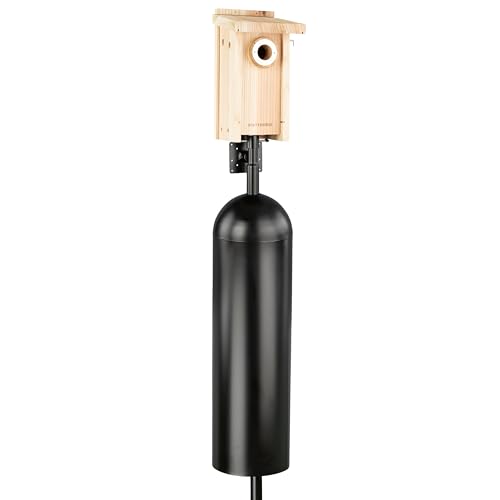
You’ve set up a bluebird house with high hopes, but week after week, it sits empty. Meanwhile, other backyard birders seem to have no problem attracting these beautiful cavity nesters. The truth is, there’s often one simple issue at play—and once you identify it, you can turn things around quickly.

Bring Hummingbirds Right To Your Window!
Check PriceWhy Bluebirds Are Skipping Your Nest Box

Save this article for later so you don't lose it. Enter your email and I'll send it to you now—plus you'll get my favorite backyard birding tips delivered to your inbox.
Bluebirds are selective about where they raise their young, and for good reason. They need a safe, secure environment that protects their eggs and nestlings from predators and harsh weather. But even if you’ve placed a perfect box in what seems like an ideal location, there’s a major obstacle many backyard birders overlook: competition.
House sparrows are the primary culprit. These aggressive, non-native birds claim nest boxes early and defend them fiercely. They’ll often destroy bluebird eggs, attack adult bluebirds, and build messy nests that completely take over a box. Unlike bluebirds, house sparrows are year-round residents in most areas, giving them a significant advantage in the race for nesting sites.
European starlings present another challenge. While their bodies are too large for properly sized bluebird house entrance holes (1.5 inches is ideal), they can sometimes enlarge openings or claim boxes with incorrectly sized holes. Tree swallows and house wrens also compete for the same nesting real estate, though these native species are less problematic than invasive house sparrows.
The key issue is timing and vigilance. If competitors claim your box before bluebirds arrive or begin their nesting season, the bluebirds will simply move on. They won’t fight for territory the way house sparrows will. This means an unmonitored nest box can actually work against you, providing prime real estate for species you’re not trying to attract. Switching to a sparrow-resistant bluebird house with a proper 1-1/2 inch entrance hole is the single most effective step you can take.
Get our free Hummingbird Attraction Guide! Plus, we'll send you our best tips for attracting more birds to your yard.
Pro Tip
Monitor your bluebird box weekly starting in early March. If you find a messy nest made of grass, trash, and feathers crammed to the top, that’s a house sparrow. Remove it immediately — bluebird nests are tidy cups of fine grass or pine needles.

BestNest Amish Sparrow-Resistant Bluebird House
Check PricePlacement and Design Mistakes That Turn Bluebirds Off

Even without competition, bluebirds will reject a nest box that doesn’t meet their specific needs. Location matters enormously. Bluebirds prefer open habitats—think meadows, pastures, golf courses, or large lawns with scattered trees. If your box is tucked into dense woods or surrounded by thick shrubs, it’s not sending the right signal. Bluebirds hunt insects from perches and need clear flight paths and open ground where they can spot prey.
Height is another critical factor. Mount your bluebird house between four and six feet off the ground. Too low, and ground predators become a serious threat. Too high, and you’re actually making the box more attractive to other species while making monitoring difficult for yourself.
Direction matters more than many people realize. Face the entrance hole away from prevailing winds and storms—typically east or southeast in most regions. A box facing directly into afternoon sun can overheat, especially in southern climates, turning the interior into an oven that’s dangerous for nestlings.
Predator protection is non-negotiable. Without a baffle or guard, raccoons, cats, snakes, and other predators can easily raid nests. A simple metal cone baffle on the mounting pole prevents climbing predators from reaching the box. For added protection, consider a predator guard around the entrance hole to prevent raccoons from reaching inside.
The box design itself can be a dealbreaker. Bluebirds need proper ventilation holes near the roof, drainage holes in the floor, and a way to monitor without disturbing them. Boxes made from untreated wood in natural colors work best—avoid metal boxes that overheat and brightly painted designs that may deter cautious birds. Protect your box with a pole baffle and a predator guard to keep predators at bay.