


You don’t need to venture into the wilderness to witness incredible bird behavior. Right now, in your own backyard, extraordinary moments are unfolding—if you know what to look for.

The Camera Feeder We Use In Our Own Backyard
See Today's PriceFrom territorial battles to intricate courtship displays, these 15 behaviors reveal the complex lives of our feathered neighbors.
Save this article for later so you don't lose it. Enter your email and I'll send it to you now—plus you'll get my favorite backyard birding tips delivered to your inbox.
Mourning Doves Nest Building

Mourning doves are famously terrible architects, and watching them build is both endearing and slightly stressful. The male gathers twigs and brings them to the female, who arranges them into what can only be described as a precarious platform—so flimsy you can often see the eggs through the bottom.
They prefer horizontal branches, gutter edges, or even hanging planters, seemingly unconcerned about stability. Construction takes just a few hours to a couple of days, with minimal effort invested compared to other species.
Despite their slapdash approach, mourning doves successfully raise multiple broods each year. You’ll often spot males making repeated trips with single twigs in their beaks, landing clumsily beside their patient partners.
The whole process demonstrates that in nature, “good enough” often truly is good enough when it comes to reproductive success.
Northern Flickers Drum to Mark Territory

Northern flickers like to drum on trees or metal objects to mark their territories, and for the sake of self-defense, they try to make as much noise as possible.
European Starlings Compete With Cavity Nesters
European starlings were introduced to North America in the 1800s. Since then, they’ve become unpopular residents from Alaska down to Florida, known as aggressive birds that directly compete with native cavity nesters.

European starlings are aggressive cavity nesters with zero qualms about evicting other species from their homes. Watch for starlings investigating any hole or crevice in buildings, trees, or nest boxes, often forcibly displacing native woodpeckers, bluebirds, or flickers.
They’ll harass the original occupants relentlessly, sometimes destroying eggs or even killing nestlings to claim the space. Starlings work in pairs, with one bird distracting the defender while the other enters the cavity.
Their iridescent plumage and yellow beaks make them easy to identify during these takeovers. You might observe them carrying nesting material—grasses, feathers, and debris—into cavities they’ve commandeered, building messy nests that fill the entire space.
While their behavior seems ruthless, it’s simply their survival strategy as an introduced species competing for limited resources. Understanding this dynamic helps explain why properly sized entrance holes on nest boxes matter so much for native species protection.
Pro Tip
To protect native cavity nesters like bluebirds and flickers, use nest boxes with entrance holes exactly 1.5 inches in diameter. Starlings need 1.75+ inches, so this one measurement can make all the difference.
Red-Tail Hawk Hunting Practice

Red-tailed hawks often perch prominently in suburban areas, and watching their hunting behavior offers a masterclass in patience and precision. Look for them sitting motionless on utility poles, fence posts, or tall trees, scanning the ground below with remarkable focus.
Their heads swivel slowly, tracking movement in the grass where voles, mice, or rabbits might appear. When they spot prey, you’ll notice a subtle shift in posture—a slight lean forward, increased alertness.
Juvenile hawks practice extensively, sometimes making imperfect strikes or misjudging distances, providing educational entertainment. The actual hunt happens quickly: a sudden launch, wings pulled back, talons extended forward.
Even failed attempts reveal their impressive aerial control as they abort dives or adjust mid-flight. Red-tails also practice “kiting”—hovering in place against wind currents while searching for movement below.
Patient window-watchers near open fields or large lawns have excellent chances of witnessing these powerful raptors honing their skills throughout the year.
Calliope Hummingbird Throat Display

You won’t find a smaller bird in the US or Canada than the Calliope Hummingbird. In fact, they are the smallest American hummingbirds, and the only smaller bird is the Mexican bumblebee hummingbird.
Males display their gorget during mating rituals while hovering or flying in U-shapes around the females. Calliope males have a white throat with distinctive, iridescent elongated wine-red throat feathers that show a “whiskered” effect when erected.
In comparison, the Calliope hummingbird females display a dull white gorget with fine spots or streaks, a pinkish wash on their sides, and dark tails with white tips.
Winter Finch Flock Formation

During winter, finches demonstrate remarkable social coordination by forming dynamic feeding flocks that shift and reorganize constantly. Watch for groups of American goldfinches, pine siskins, or purple finches moving together from tree to tree or descending on feeders in waves.
These flocks provide safety in numbers, with many eyes watching for predators while individuals focus on feeding. You’ll notice a fascinating rhythm: some birds feed while others remain alert, then they switch roles.
The flock communicates through constant chatter—contact calls that keep the group cohesive even when spread across multiple feeding locations. When one bird flushes, the entire group often follows in a synchronized burst of wingbeats.
Flock size varies from a dozen to several hundred depending on species and food availability. The composition can be mixed, with multiple finch species traveling together and benefiting from shared vigilance.
This cooperative behavior intensifies during harsh weather when food becomes scarcer and the survival advantages of group living become even more pronounced.

Squirrel Buster Classic Squirrel-proof Bird Feeder w/4 Feeding Ports, 2.4-pound Seed Capacity
Check PriceCardinals at Cold Weather Feeders
Studies have shown that cardinals prefer ground and platform feeders. A hopper feeder with adequate perches, or a large tube feeder with a tray underneath, can provide a similar experience.
Suet feeders are a great cold-weather option for feeding cardinals. Cardinals prefer sunflower and safflower seeds, so use those to fill your bird feeders.
If you want a genuinely hospitable garden for cardinals, get a feeder with a cardinal ring around the food access area. Cardinals prefer to face their food, and the ring will allow them to perch and eat comfortably.
Get our free Hummingbird Attraction Guide! Plus, we'll send you our best tips for attracting more birds to your yard.

Northern cardinals become especially visible and active at feeders during winter, and their cold-weather behaviors reveal interesting adaptations. Watch for them arriving at dusk, often being the last species to feed before nightfall—they’re maximizing calorie intake before the long, cold night ahead.
Cardinals fluff their feathers dramatically in frigid temperatures, creating insulating air pockets that can make them appear nearly spherical. You’ll notice they prefer platform feeders or ground feeding, cracking sunflower seeds with their powerful beaks and leaving distinctive piles of hulls below.
Males often feed females during winter, a behavior that strengthens pair bonds before breeding season—watch for the charming moment when he selects a choice seed and offers it to her. Cardinals also exhibit site fidelity, returning to reliable food sources at consistent times daily.
During snowstorms, their bright red plumage against white backgrounds creates stunning visuals. They’re surprisingly tolerant of close observation through windows, making them perfect subjects for studying feeding hierarchy, mate interactions, and thermoregulation strategies in real-time.

Wagner's Black Oil Sunflower Bird Food 25lb
Check Price
Kingsyard Heavy Duty WPC Bird Feeder
Check PriceBluebirds Box Nesting
Bluebirds are also known to use nesting boxes in place of traditional tree cavities, so putting up a bluebird nesting box is one more way you can potentially bring these colorful birds to your yard. Bluebirds do visit their nest boxes outside of the breeding season.
In fact, because females are generally only attracted to males who provide them with an excellent nesting spot, males are highly motivated to keep their nest box or cavity looking great throughout the year.

Eastern, western, and mountain bluebirds readily accept properly designed nest boxes, giving window-watchers front-row seats to their entire nesting cycle. Watch for males arriving first in early spring, perching near boxes and singing to attract females.
Once paired, the female does most construction work, carrying fine grasses and pine needles into the cavity while the male guards nearby. You’ll observe her entering repeatedly, arranging materials into a cup-shaped nest that typically takes four to five days.
Bluebirds are meticulous, often rejecting boxes with improper dimensions or placement. During egg-laying, the female visits the box briefly each morning to deposit one pale blue egg.
Incubation behavior is equally fascinating—she sits tight while the male brings food, and you can time her brief exit breaks. After hatching, both parents make constant feeding trips, arriving with beaks full of insects.
The entire process from nest building through fledging takes about six weeks, and many pairs attempt multiple broods. Proper box placement near your window makes this one of the most rewarding behaviors to document.

Kingsyard Bluebird House with Predator Guard
Check Price
WHITEHORSE Cedar Bluebird House Weatherproof Nest Box
Check PriceHouse Sparrow Territory Battles

House sparrows are scrappy, social birds that engage in surprisingly intense territorial disputes, especially around nesting sites and reliable food sources. Watch for males puffing their chests, drooping their wings, and hopping aggressively toward rivals while chirping loudly.
These confrontations escalate quickly into aerial chases, with birds spiraling around buildings and through shrubs in tight pursuit. Multiple males often gang up on a single intruder, demonstrating their colonial nesting tendencies and cooperative defense strategies.
Females also participate, particularly when defending chosen nest cavities in building crevices, vents, or nest boxes. You’ll notice elaborate displays where males spread their tails, raise their wings, and bow repeatedly while vocalizing—part threat, part courtship, depending on the audience.
Physical combat occurs regularly, with sparrows grappling mid-air or tumbling to the ground, locked together. Despite the drama, serious injuries are rare.
These battles intensify during breeding season but occur year-round wherever sparrows establish feeding territories. The behavior provides endless entertainment and reveals the complex social hierarchies within even the most common urban bird species.
Hummingbird Aerial Courtship Dives

Some of the most well-known hummingbird mating rituals are swooping displays performed by hummingbirds like Anna’s and ruby-throated hummingbirds. The perched female hummingbird sits on a branch waiting for the male to impress her with courtship dives.
The male makes a series of impressive deep arcing swoops to catch her attention. Male hummingbirds, which can reach speeds of up to 60 miles per hour according to Encyclopedia Britannica, dash through the air, soaring high and speeding back down within inches of the female before repeating this U-shaped display of aerial acrobatics.
The hummingbird courtship ritual is a complex dance that involves incredible aerial maneuvers. Males will perform a series of acrobatic displays to impress the females.
If a female is interested, she will signal her acceptance with a special call.
Robin Shivering Thermoregulation

American robins employ visible shivering behavior to generate heat during cold mornings and winter weather—a fascinating survival mechanism you can observe from your window. Watch for robins sitting motionless with fluffed feathers, then suddenly vibrating their bodies in rapid, sustained tremors.
This shivering thermogenesis burns fat reserves to produce warmth without requiring flight muscle activity. You’ll most often notice it during early morning hours when temperatures are lowest and robins haven’t yet warmed up through activity.
Birds typically shiver while perched in sheltered spots—under eaves, in dense shrubs, or on protected branches—where they’re shielded from wind. The behavior becomes more pronounced during cold snaps, especially for robins that overwinter in northern regions rather than migrating.
Interestingly, robins fluff their feathers first to trap air for insulation, then shiver beneath this insulating layer for maximum efficiency. After several minutes of shivering, they’ll often resume normal activity like foraging.
This energy-intensive behavior explains why robins increase feeding during winter, seeking high-calorie foods like berries to fuel their internal furnaces through long, frigid nights.
Woodpecker Drum Communication

Woodpeckers don’t just peck for food—they drum on resonant surfaces to communicate territory ownership and attract mates, creating one of nature’s most distinctive sounds. Watch for woodpeckers selecting specific drumming sites: metal gutters, chimney caps, hollow trees, or wooden siding that produce the loudest, most carrying sound.
The bird braces itself firmly, then delivers rapid-fire strikes in bursts lasting one to three seconds, with distinctive rhythms varying by species. Downy woodpeckers drum faster than hairy woodpeckers, while pileated woodpeckers produce slower, more powerful sequences.
This isn’t feeding behavior—the bird isn’t excavating or searching for insects, but rather broadcasting a sonic signal that travels remarkable distances. Males drum most frequently during breeding season to establish territories and court females, but both sexes participate.
You’ll notice they return to favorite drumming spots repeatedly, sometimes creating worn patches on particularly resonant surfaces. The behavior peaks in early morning hours and increases in frequency during spring.
Unlike vocalizations, drumming doesn’t require the bird to open its beak, allowing communication while remaining vigilant for threats. Attract woodpeckers to your viewing window with high-quality suet cakes in a nearby feeder.
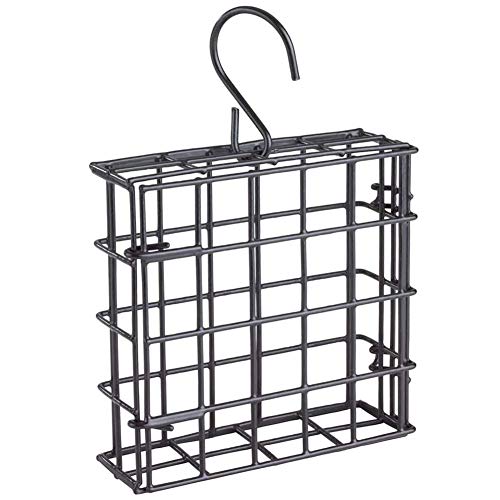
More Birds Suet Cage Bird Feeder Black
Check PriceJunco Snow Bathing

Dark-eyed juncos engage in delightful snow bathing behavior, using powder snow the same way other birds use water or dust. Watch for juncos landing in fresh, fluffy snow and immediately flopping onto their sides, wings spread and fluttering rapidly to work snow into their feathers.
They’ll roll, twist, and shuffle energetically, creating small snow angels while tossing powder over their backs. This behavior serves multiple purposes: removing parasites, conditioning feathers, and potentially cooling down after active foraging despite cold temperatures.
You’ll notice they’re selective about snow quality—deep powder works best, while crusted or icy snow gets ignored. Snow bathing sessions last 30 seconds to several minutes, often followed by vigorous shaking and preening to remove excess moisture and rearrange feathers properly.
Multiple juncos sometimes bathe in the same spot sequentially, suggesting preferred bathing locations. The behavior appears playful but serves serious maintenance functions, keeping plumage in optimal condition for insulation and waterproofing.
Winter is prime viewing time for this charming behavior, especially after fresh snowfall when conditions are perfect for these ground-loving sparrows.
Chickadee Seed Caching

Black-capped and Carolina chickadees demonstrate remarkable memory and planning through their seed caching behavior—a survival strategy you can observe repeatedly at feeders. Watch a chickadee arrive, quickly select a single seed, then fly to a nearby tree rather than eating immediately.
The bird wedges the seed into bark crevices, under lichen, or beneath loose bark, then often covers it with additional bark pieces for concealment. Individual chickadees create thousands of cache sites throughout their territory, rarely using the same location twice.
What’s truly fascinating: they remember these hiding spots for weeks and retrieve cached seeds during harsh weather when foraging becomes difficult. You’ll notice the behavior intensifies during autumn as chickadees prepare for winter, making repeated trips from feeder to forest in steady rotation.
They show preferences for high-calorie foods like sunflower seeds and peanuts for caching, while eating smaller seeds immediately. Brain studies reveal their hippocampus—the memory center—actually grows larger during caching season to accommodate spatial information about thousands of hiding spots.
This behavior demonstrates sophisticated cognitive abilities in these tiny, energetic birds that brighten winter feeders across North America.
Did You Know?
A single chickadee can cache up to 80,000 seeds per year and remember each hiding spot for up to 28 days. Their hippocampus grows 30% larger each fall to handle this memory load.
Turkey Vulture Soaring Circles

These large dark brown raptors fly in circles with a small group of other turkey vultures. They roost in even larger groups, often among the branches of dead, bare trees.
Their flight has been described as “wobbly” or “teetering.” In flight, a group of turkey vultures – or any other birds of prey – is called a kettle. This is because some groups will look like water boiling in a kettle.
Behaviors you can actually watch
| Behavior | What our writers say |
|---|---|
| Flicker drumming | On trees or metal, to mark territory and make noise |
| Starlings | Aggressive competitors with native cavity nesters |
| Calliope display | Males flash a whiskered wine-red gorget in U-shaped flights |
| Winter cardinals | Suet and sunflower or safflower; they like a cardinal ring |
| Bluebird boxes | Males keep a cavity looking good year-round |
| Courtship dives | U-shaped swoops that can hit 60 miles per hour |
| Turkey vultures | Circle in small groups; a flying group is a kettle |
📷 Show us your feeder setup! Share a few photos of your feeders and you might be featured on Wild Bird Scoop. Share your setup →





