You’ve been watching birds flock to your feeder for weeks, maybe months—and then one day, they’re just gone. It’s frustrating, especially when you’re keeping it filled and checking on it regularly.

The Camera Feeder We Use In Our Own Backyard
See Today's PriceThe good news? There’s almost always a simple explanation, and most are easy to fix once you know what to look for.
Save this article for later so you don't lose it. Enter your email and I'll send it to you now—plus you'll get my favorite backyard birding tips delivered to your inbox.
Feeder Got Too Dirty

Feeders should be cleaned at least every two weeks. Scrub the feeder until all visible dirt and debris are removed, then soak it with a solution of 1 part bleach to 9 parts water.
The bird feeder has to dry completely before you refill it. Before adding feeders, commit to keeping them clean and filled: hummingbirds will quickly abandon dirty or empty feeders.
To clean your bird feeders, use a solution of nine parts water to one part bleach.
Soak all parts of the feeder in the solution and rinse thoroughly with water. After, let it dry completely.
Seed or Nectar Went Bad

Old seed loses nutritional value and can develop mold or fungus that birds can smell and taste, even when it looks fine to us. Sunflower seeds, nyjer, and mixed blends all have shelf lives, especially once exposed to air and moisture.
If your seed has been sitting in the feeder for more than two weeks, or if it’s clumped together and smells musty, it’s time to toss it and start fresh. Nectar for hummingbirds spoils even faster—within three to five days in hot weather.
Spoiled nectar turns cloudy and can ferment, which is dangerous for hummingbirds. Store your birdseed in airtight containers in a cool, dry place, and only fill feeders with what birds can reasonably eat within a week or two.
Fresh food makes all the difference in keeping your feeder popular.
Placement in Direct Sun

While hanging a hummingbird feeder in a sunny spot will make it more visible for the birds, remember that when placed in direct sunlight, the hummingbird food in your feeders will spoil more quickly, and you will need to change it more frequently. Place a feeder in light, dappled, or partial shade rather than in the full sun.
Feeders in full sun may be damaged in the heat of summer, and damaged feeders are more likely to attract unwanted guests. It can be beneficial to choose a nectar feeder location in light, dappled shade, or where the feeders get some morning sun but are shaded during the afternoon in the hottest part of the day.
Get our free Hummingbird Attraction Guide! Plus, we'll send you our best tips for attracting more birds to your yard.
Too Few Feeders Out

Backyard bird hierarchies are real, and dominant species or individuals will aggressively guard a single feeder, preventing smaller or shyer birds from accessing food. If you’ve only got one feeder, you might see plenty of activity from jays or starlings while cardinals, finches, and chickadees stay away entirely.
The solution is spreading out multiple feeding stations around your yard. When feeders are placed at least ten to fifteen feet apart, aggressive birds can’t defend them all at once, giving everyone a chance to eat.
Different feeder styles also help—tube feeders for finches, platform feeders for larger birds, suet cages for woodpeckers. This variety accommodates different feeding preferences and reduces competition.
You don’t need to spend a fortune; even two or three strategically placed feeders can double your bird traffic and bring back species that seemed to have disappeared.
Insects Took Over

To keep bees and wasps away, remove any yellow colors and paint feeders red, or choose a red feeder in the first place. Add a bee guard to deter these flying insects.
Hummingbird feeders should be cleaned and refilled every 2-3 days at the minimum. Cleaning with hot water and replacing nectar helps keep feeders safe by preventing the growth of bacteria or attracting too many insects like ants and gnats.
Some hummingbird feeder models have moats to fill with water and keep insects away from the nectar, but that typically doesn’t do anything to keep the insects away, it just causes them to die in the water separating them from the feeder, which in turn may attract spiders.
Natural Food Abundant
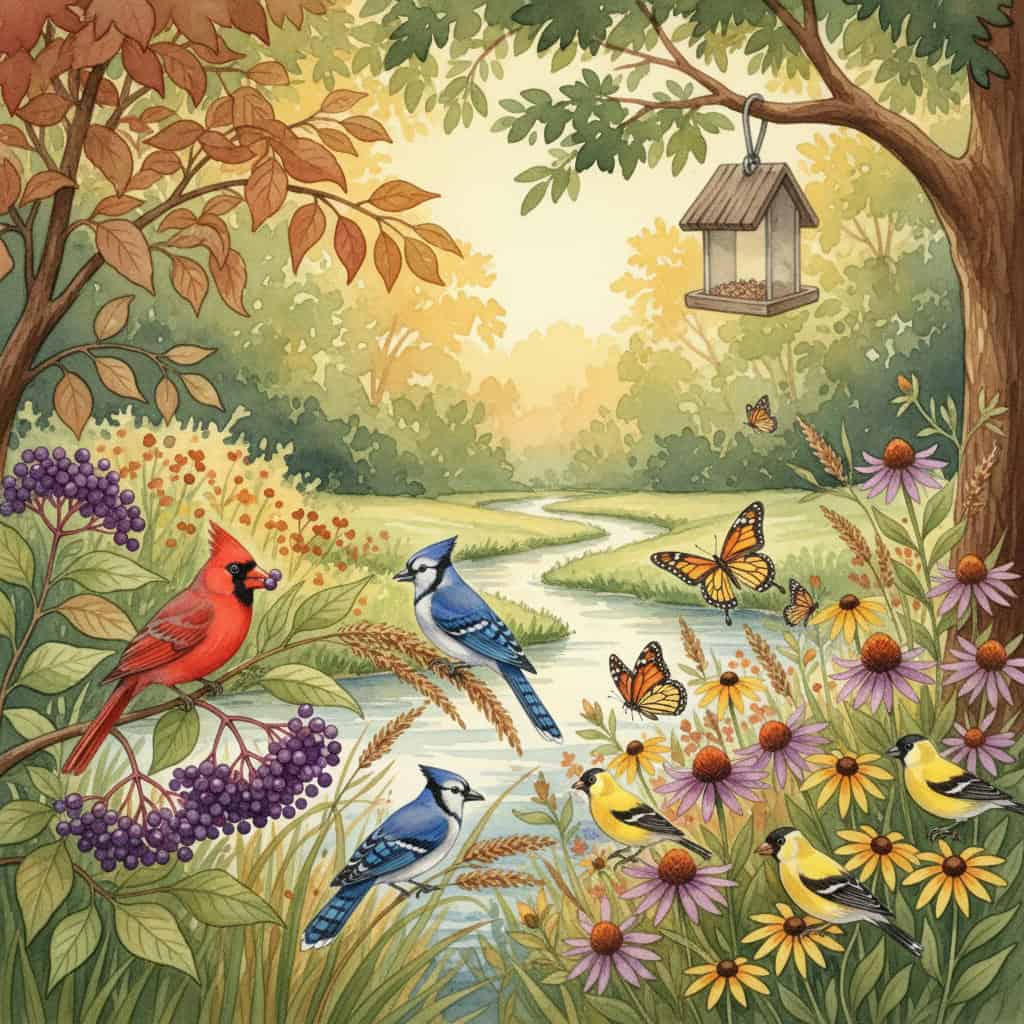
Birds are opportunistic feeders, and when natural food sources are plentiful, your feeder becomes less essential. Late summer and early fall bring peak insect populations, ripening berries, abundant seeds from wildflowers and grasses, and countless other natural options that birds prefer over feeder food.
This is completely normal seasonal behavior, not a sign you’ve done anything wrong. In fact, it means the local ecosystem is healthy and providing what birds need.
You might notice dramatic drops in feeder traffic during these times, especially among insect-eaters like chickadees, nuthatches, and warblers. Don’t take it personally or stop maintaining your feeders.
Keep them clean and filled with fresh food. When fall transitions to winter and natural food becomes scarce, those same birds will remember your reliable feeding station and return in greater numbers than before.
Birds Feared Predators

Birds feel safer if they have a bush or tree nearby to provide some cover close to a feeder. The feeder should be no more than 10 to 15 feet away from protective foliage.
If there are no trees within 20 feet of your feeder, then a pile of brush will serve as a place for birds to take refuge to hide from predators and for rest, while they wait their turn at your feeder. Most people aren’t fans of watching Cooper’s hawk capture smaller birds, like mourning doves and European starlings, near their houses.
If you feel the same way about this, you can take down your feeders so that songbirds will stay away and predators won’t come near where you live. Sharp-shinned hawks feed on small birds.
If you have a feeder in your backyard, there’s a high chance a couple of birds will fall victims to the prey hawk. That’s why you should put your feeder away for a couple of weeks if you spot a sharp-shinned hawk near it.
Seasonal Migration Shifted

Many migrating birds will stick to one route year after year, which means that if you consistently offer food during their migration window, they may stop by in both the spring and the fall. This gives you the opportunity to see birds that aren’t residents or seasonal migrants to your area!
The main force behind changing bird migration is the seasonal fluctuation of food supplies, climate, predation, and competition for resources. Because hummingbirds rely heavily on nectar, it stands to reason that their migration patterns are connected to plant species that are in bloom.
Since some hummingbirds are year-round residents in Tennessee, you could keep your feeders out year-round. However, if this is not possible, you should at least consider placing feeders out in spring and fall during the main migration periods and ideally leaving them in place through summer for those birds that do stay.
Why the feeder went quiet
| What you see | Likely cause | What to do |
|---|---|---|
| Hummers abandon the feeder | Dirty or empty feeder | Clean at least every two weeks; 1 part bleach to 9 parts water |
| Nectar ferments fast | All-day direct sun | Use light, dappled, or afternoon shade |
| Bees and wasps | Yellow parts and open ports | Paint the feeder red and add a bee guard |
| Ants and gnats | Spoiled nectar | Clean and refill every 2-3 days |
| Sharp-shinned hawk nearby | Small birds becoming prey | Put the feeder away for a couple of weeks |
| Birds feel exposed | No nearby cover | Keep foliage within 10 to 15 feet, or add a brush pile |
| Crowd drops in spring or fall | Migration window shifted | Keep food up during spring and fall passage |
📷 Show us your feeder setup! Share a few photos of your feeders and you might be featured on Wild Bird Scoop. Share your setup →