


Every spring, you watch your neighbors scramble to plant gardens in the baking heat while paying premium prices for stressed plants. Meanwhile, you could be sipping lemonade and admiring perennials that are already established, thriving, and ready to put on a show that makes spring-planted gardens look like amateurs.
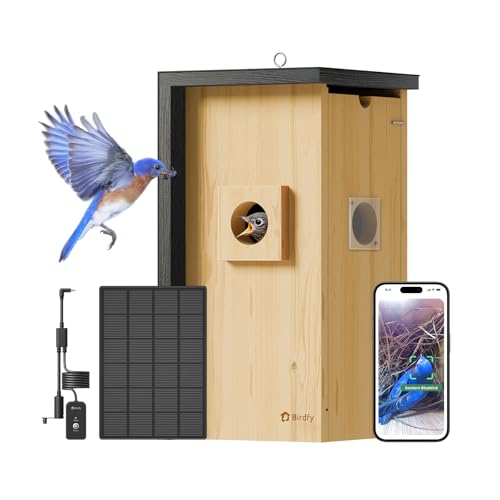
Birdfy Solar Powered Bird House with Camera
Check PriceFall planting is like giving your plants a six-month head start. While spring-planted flowers spend their first season just trying to survive, fall-planted perennials use the cool months to build massive root systems that translate to stronger stems, bigger blooms, and bulletproof drought resistance.
Save this article for later so you don't lose it. Enter your email and I'll send it to you now—plus you'll get my favorite backyard birding tips delivered to your inbox.
Why Fall Planting Creates Garden Superstars
The secret lies in root development. Fall-planted perennials spend autumn, winter, and early spring focused entirely on growing roots instead of flowers. By the time spring arrives, they have root systems 2-3 times larger than freshly planted neighbors.
This means better water uptake, improved nutrient absorption, and plants that laugh at summer heat waves. Plus, you get better prices, less competition for quality plants, and cooler weather that makes planting actually enjoyable.
1. Shasta Daisy (Leucanthemum x superbum)
These classic white beauties with sunny yellow centers bloom from late spring through fall when established. Fall planting gives them time to develop the strong root system needed for their impressive 2-3 foot height. Plant in full sun with good drainage.
2. Purple Coneflower (Echinacea purpurea)
The ultimate pollinator magnet becomes an absolute powerhouse when fall-planted. Expect 4-5 foot giants with stems thick as pencils and blooms that last for months. Birds adore the seed heads, and established plants self-sow for natural garden expansion.
3. Coreopsis (Coreopsis spp.)
These cheerful yellow bloomers are drought-tolerance champions, but fall planting takes them to superhero status. Once established, they’ll bloom nonstop from early summer through frost with minimal care. The long blooming period makes them garden workhorses.
4. Bee Balm (Monarda spp.)
This native beauty attracts bees, butterflies, and hummingbirds like a magnet. Fall planting prevents the transplant shock that often stunts spring-planted bee balm. Expect vigorous clumps that spread naturally and provide months of colorful, fragrant blooms.
Get our free Hummingbird Attraction Guide! Plus, we'll send you our best tips for attracting more birds to your yard.
5. Hosta (Hosta spp.)
The shade garden heroes develop their best foliage color and size when given fall’s cool establishment period. Their root systems become so robust that mature clumps can survive decades with minimal care. Mulch well for winter protection in colder zones.
6. Coral Bells (Heuchera spp.)
These foliage superstars keep their colorful leaves through most winters when properly established. Fall planting allows them to develop the strong crown needed to support their stunning leaf display year-round. Perfect for adding color to shady spots.
7. Sedum (Sedum spp.)
These succulent perennials store energy in their fleshy leaves and stems, making fall establishment easy. ‘Autumn Joy’ varieties provide late-season nectar when other flowers are fading. Once established, they’ll handle drought, poor soil, and neglect with grace.
8. Daylily (Hemerocallis spp.)
Fall-planted daylilies often bloom earlier and longer than their spring-planted cousins. Their fleshy roots spread quickly in cool weather, creating impressive clumps that produce dozens of buds per stalk. Choose repeat-blooming varieties for maximum impact.
9. Fall-Blooming Aster (Symphyotrichum spp.)
These native late-season bloomers are pollinator lifesavers when most flowers have finished. Fall planting gives them the strong root system needed to support their impressive height and abundant flower production. Essential for supporting migrating butterflies.
10. Goldenrod (Solidago spp.)
This much-maligned native is actually a pollinator superstar and doesn’t cause hay fever (that’s ragweed!). Fall-planted goldenrod develops into massive clumps that provide crucial nectar for fall migrants and overwintering beneficial insects.
11. Toad Lily (Tricyrtis spp.)
These exotic-looking shade perennials produce orchid-like flowers in fall when most gardens are winding down. Their shallow root system establishes quickly in cool weather, and mature plants naturalize to create stunning late-season displays.
12. Lamb’s Ear (Stachys byzantina)
The soft, silvery foliage creates beautiful contrast in mixed plantings while suppressing weeds naturally. Fall planting allows the spreading habit to establish before hot weather, creating effective groundcover that deer and rabbits avoid.
13. Blanket Flower (Gaillardia spp.)
These tough prairie natives bloom from spring through frost once established. Fall planting gives them time to develop the deep taproot that makes them practically indestructible. Their bright red and yellow flowers attract butterflies and beneficial insects.
14. Russian Sage (Perovskia atriplicifolia)
This drought-tolerant beauty becomes a 4-foot fountain of silvery foliage and purple spikes when given fall’s cool establishment period. The aromatic foliage repels deer while attracting late-season pollinators. Perfect for challenging sunny spots.
Fall Planting Success Strategy
Plant 6-8 weeks before your first hard frost to allow root establishment. Water consistently through fall, but back off as temperatures drop. Apply 2-3 inches of mulch after the ground begins to freeze, but don’t cover plant crowns completely.
The result? Gardens that emerge from winter looking like they’ve been growing for years instead of months. Your spring will be spent enjoying blooms instead of planting panic, and your summer display will make neighbors wonder what professional landscaper you hired.