


Walk through any garden center and you’ll find aisles of colorful flowers labeled ‘pollinator-friendly’ or ‘butterfly magnets.’ The problem? Most of these plants are evolutionary strangers to your local butterflies, bees, and birds. While they might provide a sugary snack for adult butterflies, they can’t support the complex life cycles that keep pollinator populations thriving.
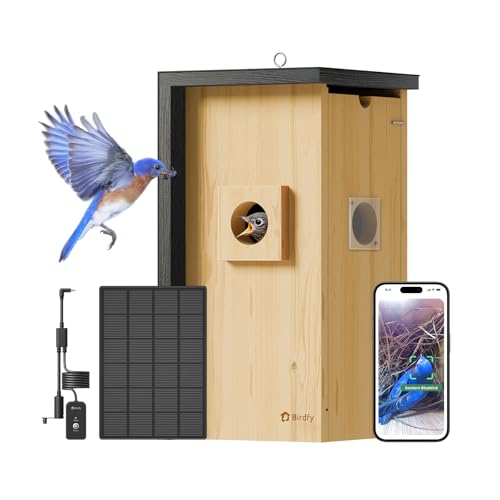
Birdfy Solar Powered Bird House with Camera
Check PriceThink of it like putting a candy machine in the middle of a food desert. Sure, people will stop for a quick sugar rush, but it doesn’t nourish families or build healthy communities. Your garden needs to be a full-service restaurant and nursery, not just a drive-through snack bar.
Save this article for later so you don't lose it. Enter your email and I'll send it to you now—plus you'll get my favorite backyard birding tips delivered to your inbox.
1. Wild Bergamot (Monarda fistulosa) – The Hummingbird’s Best Friend
This native mint relative draws hummingbirds from blocks away with its lavender crown of tubular flowers. Unlike garden center bee balm, wild bergamot handles drought like a champ and self-seeds to fill gaps in your garden naturally.
2. Purple Prairie Clover (Dalea purpurea) – The Butterfly Nursery
Those adorable purple bottlebrushes aren’t just pretty – they’re specialized butterfly baby food. Native sulfur butterfly caterpillars can only survive on prairie clovers, making this plant a literal lifesaver for threatened species.
3. Wild Columbine (Aquilegia canadensis) – The Early Bird Special
When most flowers are still sleeping underground, wild columbine is already feeding hungry pollinators emerging from winter. Its red and yellow spurs are perfectly designed for ruby-throated hummingbirds and long-tongued bees.
4. Nodding Onion (Allium cernuum) – The Late-Season Hero
While your neighbor’s garden is fading in late summer, nodding onion is just hitting its stride. The drooping clusters of pink flowers provide crucial nectar when migrating monarchs need fuel for their 2,000-mile journey.
5. Wild Ginger (Asarum canadense) – The Specialist’s Choice
This humble ground cover might not look flashy, but it’s the exclusive host plant for pipevine swallowtail caterpillars. No wild ginger means no swallowtails – it’s that simple.
6. Spicebush (Lindera benzoin) – The Multi-Tasker
This native shrub feeds spicebush swallowtail caterpillars, provides early nectar for adult butterflies, and produces berries that migrating birds rely on. Plus, the leaves smell like root beer when crushed.
Get our free Hummingbird Attraction Guide! Plus, we'll send you our best tips for attracting more birds to your yard.
7. Wild Lupine (Lupinus perennis) – The Endangered Species Saver
The endangered Karner blue butterfly can only survive on wild lupine. By planting this purple spire, you’re literally keeping a species from extinction while creating one of the most striking wildflower displays imaginable.
8. Coral Honeysuckle (Lonicera sempervirens) – The Non-Invasive Alternative
Forget that aggressive Japanese honeysuckle choking your trees. Native coral honeysuckle offers the same tubular flowers hummingbirds love without the invasive tendencies, and its blue berries feed songbirds.
9. Wild Bergamot (Monarda punctata) – The Spotted Beauty
Also called spotted bee balm, this yellow-flowered native is a magnet for native bees that other flowers can’t attract. The spotted bracts look exotic but this tough plant tolerates poor soil and drought.
10. Blue Wild Indigo (Amorpha fruticosa) – The Nitrogen Fixer
This native shrub not only feeds silver-spotted skipper caterpillars but actually improves your soil by fixing nitrogen. The purple flower spikes attract dozens of native bee species while building healthier garden soil.
11. Pawpaw (Asimina triloba) – The Zebra’s Zebra
Pawpaw trees are the only host plant for stunning zebra swallowtail butterflies. The tropical-tasting fruits are an added bonus – think banana-mango custard growing in your backyard.
12. Wild Senna (Senna hebecarpa) – The Cloudless Icon
Those massive yellow cloudless sulfur butterflies you see in late summer can only reproduce on native sennas. This tall wildflower produces bright yellow flowers followed by interesting seed pods kids love to rattle.
13. Button Bush (Cephalanthus occidentalis) – The Wetland Wonder
If you have a wet spot in your yard, button bush is your answer. The spherical white flowers look like pincushions and attract more butterfly species than almost any other native plant.
14. Wild Plum (Prunus americana) – The Spring Spectacular
Before anything else blooms, wild plum trees explode in clouds of white flowers that feed early bees and butterflies. The small fruits make excellent jelly and feed birds throughout summer.
15. Aromatic Aster (Symphyotrichum oblongifolium) – The Fall Finale
When most flowers are finished, aromatic aster covers itself in tiny purple daisies that provide crucial late-season nectar for migrating monarchs and late-emerging native bees.
16. Wild Strawberry (Fragaria virginiana) – The Groundcover Champion
This native strawberry produces small but incredibly flavorful berries while serving as host plant for several butterfly species. The low-growing plants make perfect groundcover that wildlife actually uses.
The magic happens when you plant these natives together. Instead of isolated pretty flowers, you create a support network where each plant plays a specific role in sustaining local wildlife populations. Your garden becomes a stepping stone in the larger ecosystem, helping species survive and thrive in an increasingly fragmented world.
Start with three or four species that match your growing conditions, then add more each season. Within two years, you’ll notice the difference – not just more butterflies and bees, but healthier soil, fewer pest problems, and a garden that works with nature instead of against it.