


Your yard is about to become the neighborhood’s best-kept wildlife secret. While most people think creating pollinator habitat requires acres of perfect conditions, you can build a thriving ecosystem with just four strategic native plants. These aren’t random pretty flowers – they’re carefully chosen partners that work together to feed, shelter, and support local wildlife from spring through fall.
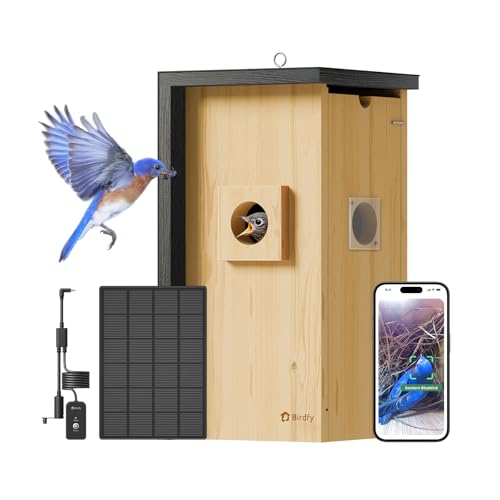
Birdfy Solar Powered Bird House with Camera
Check PricePurple Coneflower: The Butterfly Magnet
Purple coneflower isn’t just beautiful – it’s a pollinator powerhouse that feeds over 40 butterfly species. The raised center provides the perfect landing platform for heavy-bodied butterflies, while the nectar-rich blooms stay active for 8-10 weeks. But here’s the genius part: the seedheads feed goldfinches all winter long, creating year-round wildlife value from one plant.
Save this article for later so you don't lose it. Enter your email and I'll send it to you now—plus you'll get my favorite backyard birding tips delivered to your inbox.
Black-Eyed Susan: The Reliable Workhorse
When other flowers struggle in summer heat, Black-eyed Susan hits its prime. This drought-tolerant champion blooms for 12+ weeks, providing consistent nectar when pollinators need it most. The composite flower structure offers both nectar and pollen, making it a one-stop shop for bees and beneficial insects. Plus, it self-seeds readily, expanding your pollinator habitat naturally.
Butterfly Weed: The Monarch Lifeline
This brilliant orange native is the only plant monarch caterpillars can eat to survive. Adult monarchs use the nectar to fuel their incredible 2,000-mile migration, while the deep taproot helps it thrive in poor soils where other plants fail. The clustered flowers create perfect landing platforms, and the milky sap protects it from deer and rabbits.
Get our free Hummingbird Attraction Guide! Plus, we'll send you our best tips for attracting more birds to your yard.
Goldenrod: The Migration Fuel Station
Forget everything you think you know about goldenrod causing allergies – that’s ragweed, not this pollinator superhero. Late-season goldenrod provides critical fuel for migrating butterflies and supports 115 moth and butterfly species. The tiny flowers packed with pollen feed smaller native bees that larger flowers can’t accommodate, filling a crucial ecological gap.
The Perfect Placement Strategy
Plant these four in a sunny 6×6 foot area for maximum impact. Purple coneflower and Black-eyed Susan in back (they grow 2-3 feet tall), butterfly weed in the middle (18-24 inches), and goldenrod filling in gaps. This creates blooming waves from June through October, ensuring constant nectar sources.
Why These Four Work Together
These plants form a perfect timing relay. Purple coneflower starts the season in early summer, Black-eyed Susan overlaps and extends through peak heat, butterfly weed bridges the gap to fall, and goldenrod fuels autumn migration. Each plant also improves soil conditions for the others through their different root structures.
Maintenance That Actually Helps Wildlife
Here’s the best part – less work means more wildlife. Leave seedheads standing through winter to feed birds. Don’t deadhead until spring cleaning, allowing beneficial insects to overwinter in plant stems. Water only during establishment, then let nature take over. These natives thrive on neglect once established.
Your four-plant pollinator paradise will transform from tiny seedlings into a bustling wildlife highway within two years. Expect to see species you’ve never noticed before as your mini meadow becomes the neighborhood’s official refueling station for everything with wings.