


March marks the beginning of nesting season for many backyard birds, and offering safe, natural materials can give them a real boost. A well-chosen assortment of fibers, fluff, and soft plant matter helps birds build secure, insulated nests for their eggs and nestlings. But not all materials are created equal—some common items can actually pose serious risks. Here’s what to offer, and what to avoid completely.
Pet Fur from Grooming

Save this article for later so you don't lose it. Enter your email and I'll send it to you now—plus you'll get my favorite backyard birding tips delivered to your inbox.
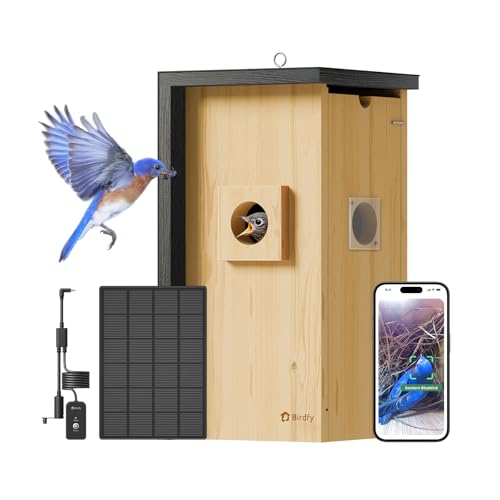
Birdfy Solar Powered Bird House with Camera
Check PriceClean, untreated pet fur is one of the best nesting materials you can offer birds in early spring. Dogs and cats naturally shed their winter coats in March, giving you plenty of soft, insulating fiber to collect from brushes and grooming sessions. Birds like bluebirds, chickadees, and titmice love using fur to line the interior of their nests, creating a warm cushion for eggs. Simply place small clumps in a suet cage, drape them over shrub branches, or tuck them into a mesh onion bag hung from a tree. Make sure the fur is completely free of flea treatments, shampoos, or any chemical products—residues can be toxic to nestlings. Also keep individual strands short, ideally under six inches, so they don’t tangle around tiny legs or necks. When offered safely, pet fur becomes a valuable resource that helps birds conserve energy during the demanding nesting period.
Undyed Cotton Batting

Natural, undyed cotton batting provides soft, flexible material that birds can easily shape into their nests. Look for 100% cotton products without any synthetic blends, dyes, or fire retardants, which can introduce harmful chemicals into the nest environment. Species like robins, mourning doves, and house finches readily incorporate cotton into their nest structures, using it for both insulation and cushioning. You can pull the batting apart into loose, fluffy clumps about the size of your palm and place them in open areas where birds can spot them easily—on fence posts, in low shrubs, or secured in wire holders. Cotton absorbs moisture differently than natural plant fibers, so it works best when combined with other materials birds gather from the wild. Keep pieces relatively small and loose rather than dense wads, which makes them easier for birds to manipulate and weave. This simple addition gives nesting birds access to a clean, safe fiber that mimics the texture of certain plant downs they’d find in nature.
Pussy Willow Catkins

Pussy willow catkins appear in late winter and early March, offering birds a naturally occurring nesting material right when they need it most. These soft, fuzzy buds contain fine fibers that birds use for nest lining, and they’re especially popular with smaller songbirds like goldfinches and warblers. If you have pussy willows on your property, simply leave fallen catkins on the ground or collect a few branches and place them in an accessible spot in your yard. The silvery-gray fuzz pulls apart easily, giving birds access to delicate, insulating material without much effort. Pussy willows are completely non-toxic and break down naturally if unused, making them one of the safest options you can provide. You can also bundle small branches and lean them against a fence or tree trunk where birds forage. Because these catkins emerge so early in the season, they align perfectly with the nesting timeline for many native species, supporting the natural rhythm of spring reproduction in your backyard ecosystem.
Get our free Hummingbird Attraction Guide! Plus, we'll send you our best tips for attracting more birds to your yard.
Thistle and Dandelion Fluff

Both thistle and dandelion produce downy seed fluff that birds instinctively recognize as premium nesting material. Goldfinches, in particular, are famous for lining their nests almost entirely with thistle down, creating an incredibly soft cradle for their young. Dandelion fluff works similarly and is abundant in most yards by mid-to-late spring. If you let these plants go to seed instead of mowing them down immediately, you’re providing a free, renewable resource that requires zero effort on your part. Birds will pluck the fluff directly from the seed heads, or you can gently collect it yourself and place it in small piles near feeders or nesting areas. Both materials are lightweight, water-resistant, and naturally antimicrobial, which helps keep nests clean and dry. Avoid using fluff from plants that have been treated with herbicides or pesticides, as chemical residues can transfer to eggs and nestlings. Letting native thistles and dandelions flourish in a corner of your yard supports pollinators and nesting birds simultaneously.
Lichen from Tree Bark

Lichen is a surprisingly important nesting material, especially for hummingbirds, who use it to camouflage and reinforce the exterior of their tiny cup nests. You’ll often find loose lichen pieces on the ground after storms or high winds, and these naturally shed fragments are perfect for birds to collect. Species like blue-gray gnatcatchers and wood pewees also incorporate lichen into their nests, binding it with spider silk to create structures that blend seamlessly into tree branches. Never pull lichen off living trees—it grows slowly and plays an important ecological role. Instead, gather only what’s already fallen and place it in open spots where birds can see it, such as on top of a stump or tucked into the crook of a branch. Lichen is lightweight, flexible, and naturally weather-resistant, making it ideal for outer nest construction. Offering this material supports species with specific architectural needs and helps you attract a wider variety of nesting birds to your yard throughout the spring and summer months.
Dryer Lint Scraps

Dryer lint might seem like a soft, convenient nesting material, but it’s actually one of the most dangerous options you can offer birds. Lint is composed of synthetic fibers from clothing, microplastics, and chemical residues from detergents and fabric softeners—all of which can harm eggs and nestlings. When exposed to rain, dryer lint absorbs water like a sponge and loses all insulating properties, turning into a cold, soggy mass that can chill eggs or trap moisture against vulnerable chicks. It also doesn’t hold its shape well, leading to nests that collapse or fail structurally. Additionally, lint can contain residues of fragrances, brighteners, and softening agents that are toxic when in constant contact with bird skin and developing embryos. Even lint from natural fabrics like cotton isn’t safe, because it’s been processed through machines with chemical cleaners. Birds may be attracted to the soft texture, but using dryer lint puts their reproductive success at serious risk. Skip this material entirely and stick with natural, untreated fibers instead.
Synthetic Yarn Fibers

Synthetic yarn and string might look harmless, but they pose serious entanglement and safety risks for nesting birds. Unlike natural fibers that break down or fray safely, synthetic materials are incredibly strong and don’t degrade, which means they can wrap tightly around birds’ legs, necks, or wings. Nestlings are especially vulnerable—they can become tangled while moving around inside the nest, leading to injury, restricted blood flow, or even death. Longer strands increase the danger significantly, and many well-meaning people offer yarn in lengths that are far too risky. Synthetic fibers also don’t breathe or wick moisture like natural materials, which can create damp, unhealthy conditions inside the nest. Some yarns are treated with dyes or chemicals that leach into the nest environment over time. Even “natural” yarn like wool can be problematic if it’s been dyed or treated. If you want to offer fibrous material, stick to short pieces of undyed cotton thread or natural plant fibers, and always keep individual strands under four inches to minimize entanglement risk.
Treated Pet Hair

While clean pet fur is excellent for nesting, treated pet hair is a serious hazard that should never be offered to birds. Flea and tick treatments, medicated shampoos, grooming sprays, and topical medications all leave chemical residues on fur that can be toxic to developing embryos and nestlings. These products are designed to kill insects, which means they contain pesticides and insecticides that can disrupt birds’ nervous systems, hormone production, and overall health. Even small amounts of residue transferred from fur to eggs can affect hatching success or cause developmental problems. Similarly, fur from pets that have recently been bathed with scented or medicated shampoos can carry fragrances, essential oils, or antimicrobial agents that aren’t safe for wild birds. The risk isn’t worth it—if your pet has been treated with any product in the past month, don’t offer that fur for nesting. Wait until your pet’s coat has fully cycled and any treatments have worn off completely, then collect only fresh, untreated fur from regular brushing to share safely with your backyard birds.