Every neighborhood has one – that quiet expert who seems to attract rare birds like your grandmother attracted relatives at Thanksgiving. While most of us are still fumbling with our field guides, these masters of backyard birding are spotting rarities from their kitchen window. Here are the secrets they’ve learned through decades of observation but rarely share with newcomers.

The Camera Feeder We Use In Our Own Backyard
See Today's Price1. They Actually Want Some Feeders to Stay Empty

Those empty feeders aren’t neglect – they’re strategy. Like your mother leaving one chair empty at the dinner table “just in case,” seasoned birders deliberately keep certain feeders vacant. These serve as emergency backup stations during territorial disputes or sudden hawk visits, giving smaller birds a crucial Plan B when they need it most.
Save this article for later so you don't lose it. Enter your email and I'll send it to you now—plus you'll get my favorite backyard birding tips delivered to your inbox.
2. The Real Reason They Keep That Ratty Old Lawn Chair
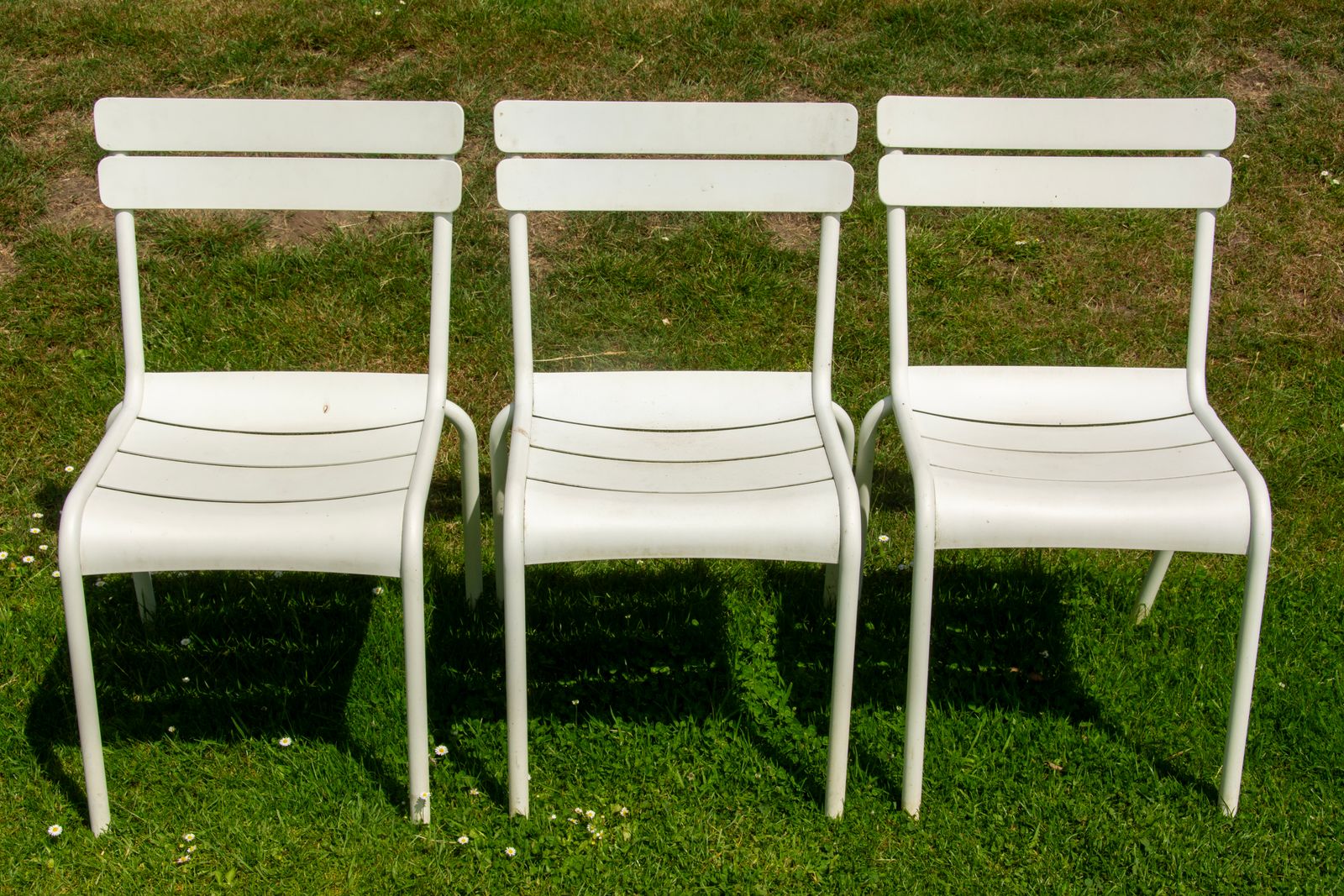
That weathered lawn chair isn’t just casual seating – it’s a carefully positioned blind. Like your father’s favorite TV viewing spot that nobody else dared occupy, these masters have found the perfect angle where the morning sun doesn’t glare off binocular lenses and their shadow doesn’t spook the birds. Moving it even an inch would ruin years of calculated positioning.
3. Why They Never Clean Up All Those Fallen Pine Needles
Those scattered pine needles aren’t laziness – they’re acoustic camouflage. Like the crackly plastic runner your mother put down to catch muddy footprints, pine needles create nature’s early warning system. Birds can hear predators rustling through them long before they see them, turning your yard into a safer dining spot.
Get our free Hummingbird Attraction Guide! Plus, we'll send you our best tips for attracting more birds to your yard.
4. The Secret Behind Their Suspicious Morning Coffee Schedule

That oddly specific coffee routine isn’t about the caffeine – it’s about the birds’ breakfast rush hour. Like a savvy commuter who knows exactly when to avoid traffic, master birders time their morning watch to coincide with peak feeding times. They’ve learned that 7:15 to 8:30 AM is prime time for unusual visitors, just like your mother knew exactly when to hit the early bird special at the local diner.
5. What That Mysterious Notebook Really Contains

Those dog-eared pages aren’t just bird lists – they’re more detailed than your aunt’s recipe collection. Expert watchers track everything: weather patterns, feeding times, even which birds don’t get along (like keeping track of which relatives shouldn’t sit together at Thanksgiving). These notebooks are twenty-year histories of backyard drama that would put soap operas to shame.
6. The True Purpose of Those “Forgotten” Garden Tools
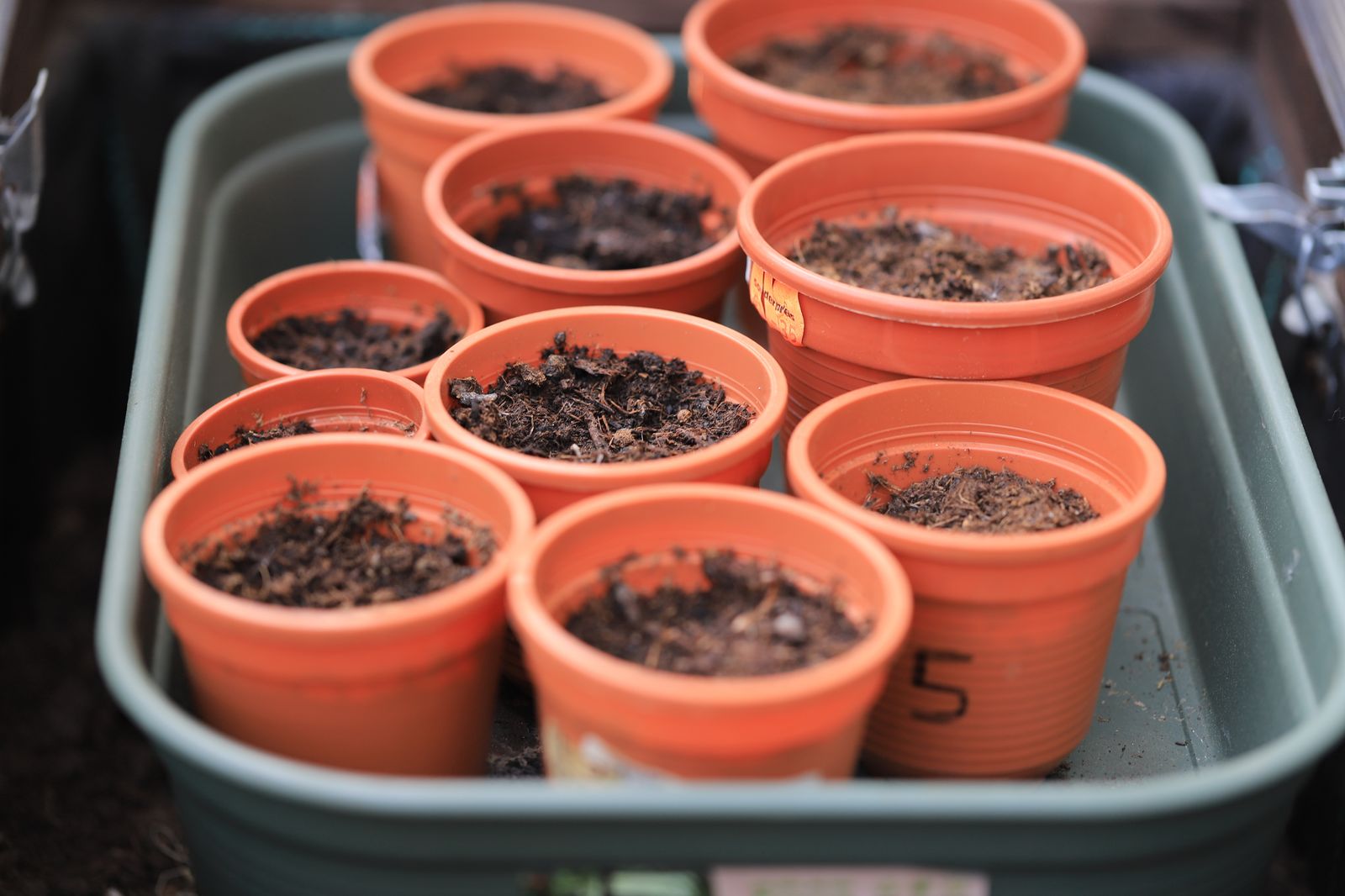
Those randomly placed garden tools aren’t forgotten – they’re strategic perches in disguise. Like your grandfather’s workshop where every tool had its place, each rake handle and shovel is positioned to create the perfect landing spot. They’re especially valuable during migration season when tired travelers need a sturdy rest stop.
7. Why They’re Always Checking Their Watch at Sunset

That constant watch-checking isn’t about bedtime – it’s about the evening shift change. Like a factory timekeeper, master birders know exactly when the day shift birds clock out and the night crew clocks in. Those precious 23 minutes before sunset often bring surprise visitors that casual watchers miss while fixing dinner.
8. The Real Reason They Never Paint Their Back Fence
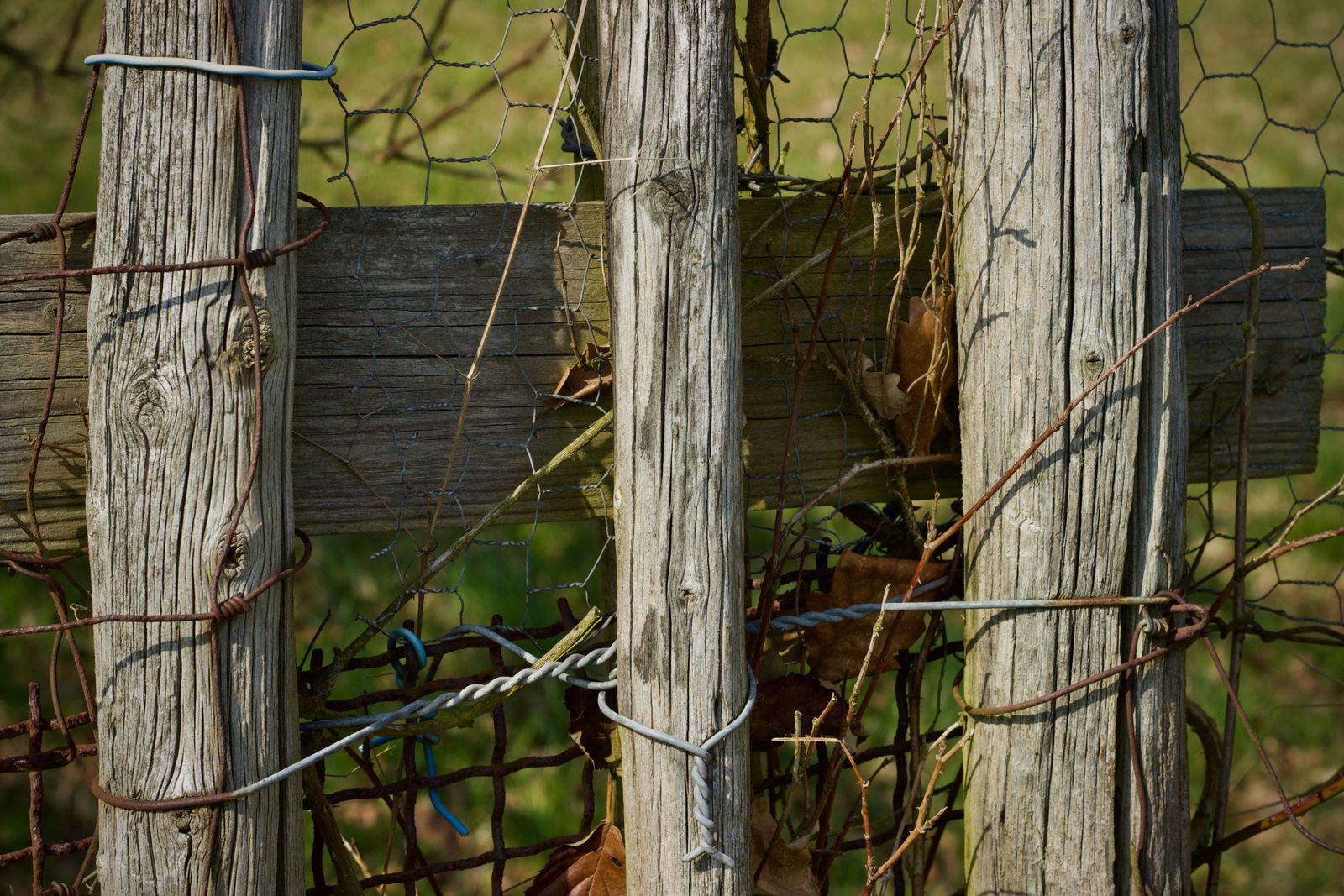
That weathered fence isn’t about procrastination – it’s about creating the perfect backdrop. Like an old photographer’s studio screen, the gray-brown wood makes birds stand out like jewels on velvet. Even the peeling paint serves a purpose, creating tiny crevices where insects gather and draw in the birds.
9. What They’re Actually Doing With Those Empty Milk Jugs
Those plastic jugs aren’t waiting for recycling day – they’re part of a master plan. Like your grandmother saving rubber bands and twist ties, experienced birders transform these everyday items into sophisticated rain guards and predator baffles. It’s the kind of Depression-era ingenuity that turns trash into treasure, protecting both birds and seed while keeping the HOA happy.
📷 Show us your feeder setup! Share a few photos of your feeders and you might be featured on Wild Bird Scoop. Share your setup →