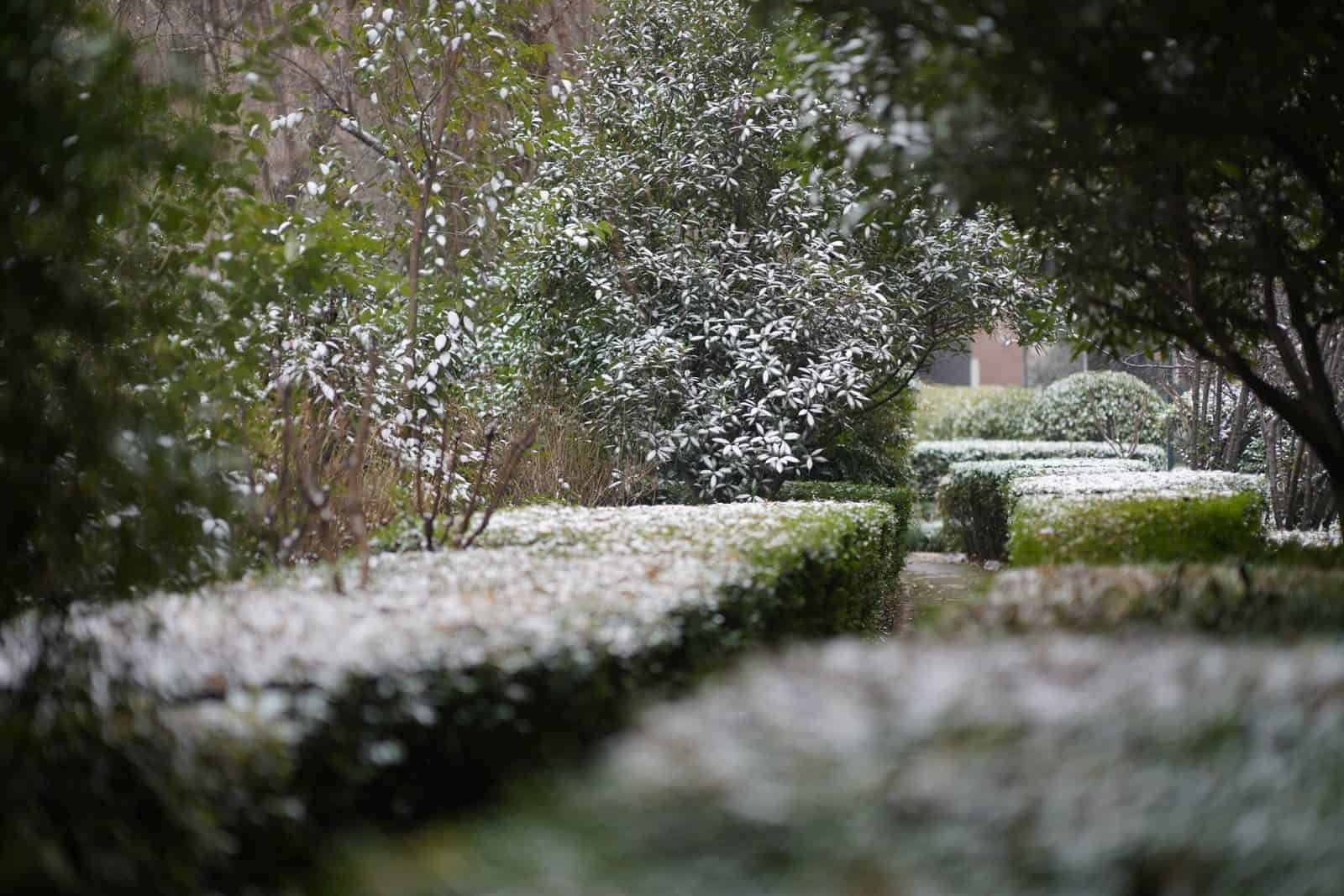
Stop scrolling through seed catalogs and wishing you’d planted earlier. October isn’t too late. It’s actually perfect timing for some of the most reliable crops you’ll ever grow. While your neighbors are putting their gardens to bed, you’ll be setting yourself up for the earliest harvests and the most stunning spring displays anyone on your block has seen.

The Camera Feeder We Use In Our Own Backyard
See Today's PriceFall planting flips the script on traditional gardening. Seeds establish strong root systems in cool soil without the pressure of summer heat. They sit quietly through winter, then explode into growth the moment temperatures rise. You’ll harvest garlic in July while everyone else is still waiting. Your pansies will bloom weeks before spring-planted flowers even sprout. And your spinach? It’ll taste sweeter than anything you’ve grown before.
Save this article for later so you don't lose it. Enter your email and I'll send it to you now—plus you'll get my favorite backyard birding tips delivered to your inbox.
Here are 12 flowers and vegetables that need fall planting to reach their full potential.
1. Garlic
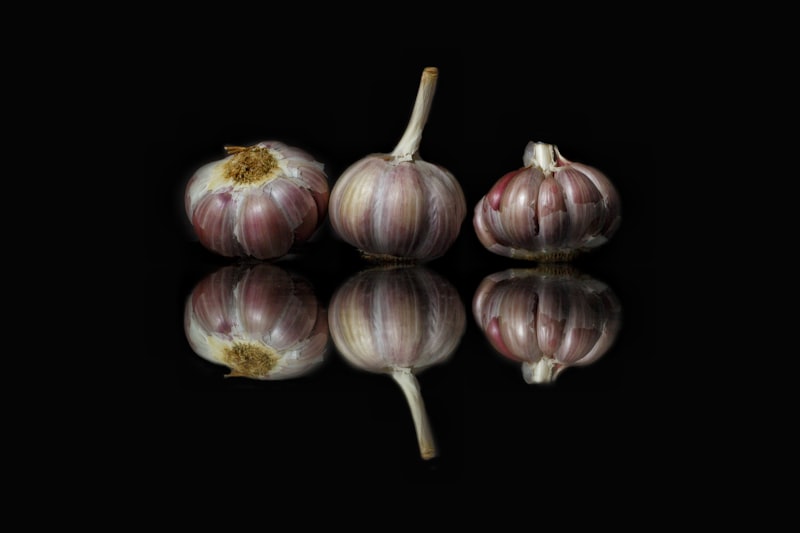
Garlic planted in October grows bigger bulbs with more intense flavor than anything you’ll get from spring planting. The cold period triggers proper bulb formation, and fall planting gives garlic a head start on the growing season so it becomes one of the first crops to emerge in spring. Hardneck varieties produce garlic scapes in early summer, which are edible and delicious stalks that you can harvest as a preview of the garlic to come.
2. Spinach
Fall-planted spinach actually improves in flavor once a light frost touches the leaves, making it one of the tastiest vegetables you can grow as the season winds down. Unlike spring spinach which often bolts as soon as the weather warms, fall spinach produces tender, flavorful leaves right up until frost. Cooler temperatures slow down weed growth and reduce pest populations, resulting in stronger, more productive plants.
3. Kale
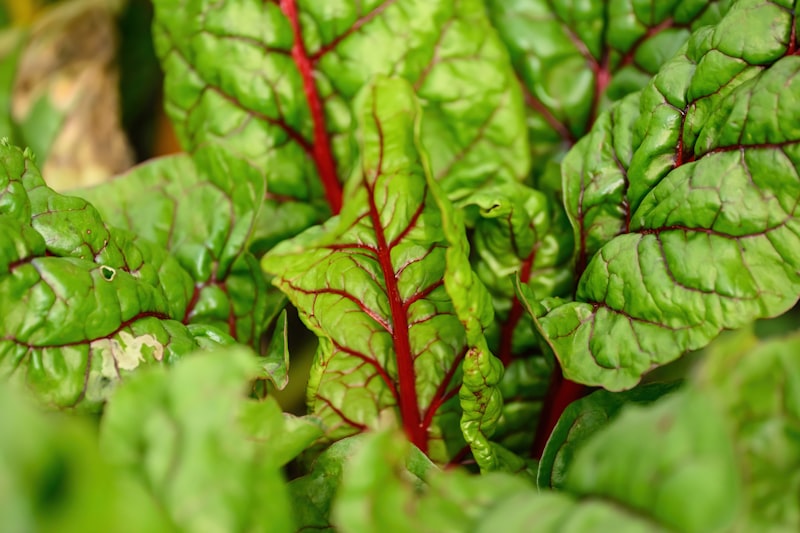
Cold temperatures turn the starches in kale leaves into sugars, dramatically improving the taste after several nights of frost. Cool weather brings out subtle changes in sweetness and tenderness that don’t develop in spring or summer plantings. Some kale varieties can survive temperatures well below freezing, even into the teens, and can be harvested all through fall and into winter.
4. Pansies
Planting pansies in early fall allows these hardy flowers to establish deep root systems before winter cold sets in, ensuring healthier plants come spring. They’ll survive frost and bounce back from even single-digit temperatures, with the plants staying alive to bloom again throughout fall and early winter. Once winter passes and temperatures start to rise through February and March, pansies burst with color and you may find your plants have doubled in size overnight with blooms spread everywhere.
5. Violas
Violas are more cold-hardy and heat tolerant than pansies, producing more blooms on compact plants from fall through spring in milder climates. The flowers and leaves are edible and high in vitamins A and C, making them perfect as garnishes or salad toppers. Fall planting allows violas to establish roots in warm soil, creating the foundation for spectacular growth when spring arrives.
Get our free Hummingbird Attraction Guide! Plus, we'll send you our best tips for attracting more birds to your yard.
6. Carrots
Cold temperatures sweeten carrots by converting their starches into sugar, with the last ones harvested in late winter being even sweeter than the first. Winter carrots taste better than carrots grown in spring or summer, and the in-ground cold-soil storage enhances their flavor, sweetness, and raw-eating crunch. Specialty winter varieties have been bred specifically for fall and winter growing, and once the first frost hits, they sweeten up for dramatically better flavor.
7. Turnips
An autumn crop seeded in late summer is usually sweeter and more tender than a spring crop, and pests are less of a problem. Harvesting turnips after one or two light frosts produces a sweeter taste, and many gardeners wait until after at least one hard frost for the best flavor. Both the roots and the greens are edible, with young leaves being especially tender and tasty.
8. Lettuce
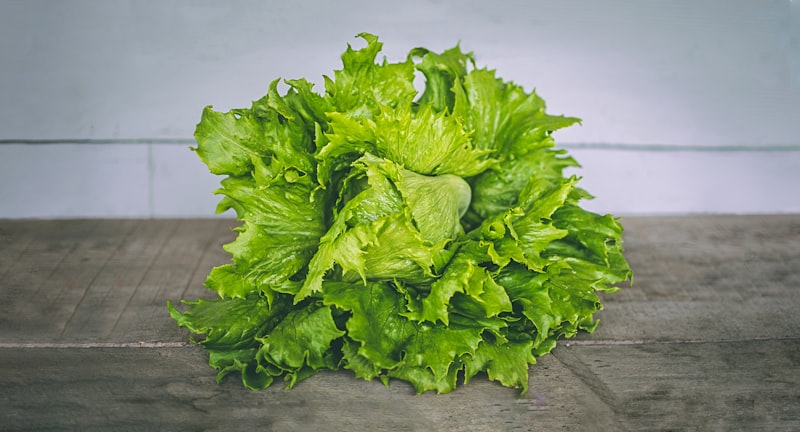
Fall lettuce produces tender, flavorful leaves right up until frost without the bolting problems that plague spring-planted crops when weather warms. Cooler temperatures reduce pest populations and slow weed growth, allowing lettuce to grow with less competition and stress. Multiple varieties can be harvested at any stage from baby leaves to full-sized heads throughout the fall season.
9. Peas
Peas grown during cooler months taste sweeter than those matured in heat, and they’re very easy to grow in fall when soil is cool. Fall planting allows pea roots to develop and grow strong while facing less competition from weeds and fewer pest problems than spring plantings. They’ll provide one of your earliest spring harvests when planted in October.
10. Broccoli
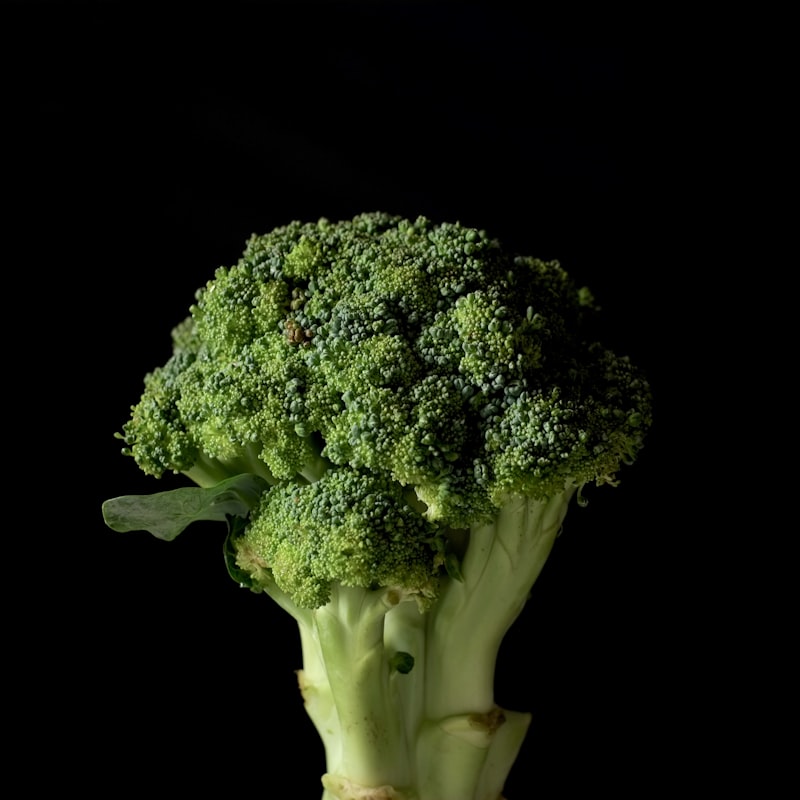
Broccoli does best with full sun and slightly acidic soil that’s moist and rich in organic matter. Fall crops are much easier to grow than spring plantings because seedlings are heat tolerant but plants need cooler weather as they mature or they’ll bolt and get bitter. With weekly watering and rapid growth, broccoli planted in mid-August will be ready to harvest in mid to late October before the first fall freeze.
11. Shallots
Shallots can be planted in September for a crop by mid-summer, and they come in softneck varieties common in milder climates and hardneck varieties with stronger flavor. They’re part of the allium family like garlic and onions, requiring similar growing conditions. After harvesting shallots in early spring, you can replant the largest one the next year to restart your crop.
12. Arugula
Arugula is a fast grower that you can start harvesting baby leaves in 4 to 6 weeks from seed, even quicker from transplants, and it has greater cold tolerance than lettuce. This spicy green can be broadcast seeded or planted as seedlings for quick additions to fall salads. The peppery flavor intensifies slightly in cooler weather, adding kick to salads and sandwiches.
Timing Your Fall Planting
The ground remains warm for some time during fall, allowing plant roots to develop and grow strong before winter dormancy. A good rule of thumb is to wait to plant until after the autumnal equinox in late September, giving roots time to establish before the ground freezes. Northern gardeners should start earlier in August, while those in milder southern climates can plant into November.
Soil Preparation
Both vegetables and flowers grow best in rich, loose soil that drains well but still holds moisture, so work in a layer of compost or aged manure before planting. Smooth the soil surface and rake out large clumps since seeds need close contact with soil to germinate well. Turn over the soil and mix in balanced fertilizer to replace what earlier plants have used up.
Protection and Care
Cold frames and mini hoop tunnels offer crop protection that’s equivalent to moving your garden one growing zone south. Apply mulch around plants to regulate soil temperature and control weeds, and keep soil consistently moist even in cooler months as dry roots can lead to freeze damage. Be prepared to cover tender plants with frost cloth when freezing temperatures are expected, removing covers during the day to allow sunlight and air circulation.
Fall planting rewards patience with unmatched results. Your October efforts translate into earlier harvests, sweeter flavors, and stronger plants than any spring garden can deliver. The cool weather does half the work for you, and by the time spring arrives, you’ll already be weeks ahead of everyone else.
📷 Show us your feeder setup! Share a few photos of your feeders and you might be featured on Wild Bird Scoop. Share your setup →