March is the perfect time to get ahead of hummingbird season. Plant the right flowers now, and you’ll create a vibrant, nectar-rich habitat that draws these tiny dynamos straight to your yard.

The Camera Feeder We Use In Our Own Backyard
See Today's PriceHere are seven early bloomers that hummingbirds can’t resist.
Save this article for later so you don't lose it. Enter your email and I'll send it to you now—plus you'll get my favorite backyard birding tips delivered to your inbox.
Pasque Flower

Pasque flower is one of the earliest spring bloomers, often pushing through late snow in cooler climates. Its delicate, cup-shaped flowers come in shades of purple, white, and pink, and they’re surprisingly attractive to early hummingbirds migrating northward.
Plant pasque flower in well-drained soil with full sun exposure, and you’ll enjoy blooms from late March through April. This low-growing perennial works beautifully in rock gardens or along borders.
While it’s native to prairie regions, it adapts well to a range of USDA zones 4 through 8. The ferny foliage adds texture even after blooms fade, and the plant requires minimal maintenance once established.
For hummingbirds arriving early from migration, pasque flower offers a crucial nectar source when few other options exist. Pair it with other early bloomers to create a layered feeding station that keeps hummingbirds coming back throughout spring.
Lungwort
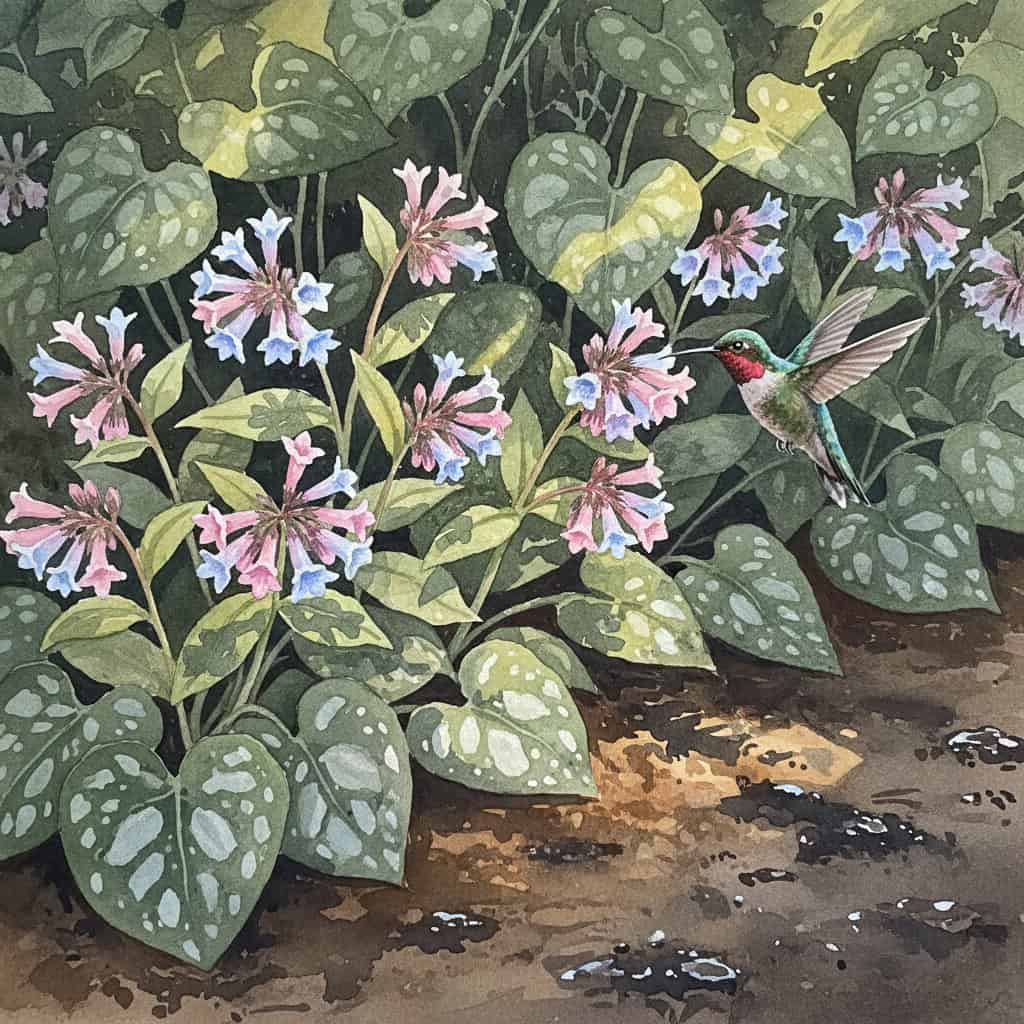
Lungwort might have an unfortunate name, but it’s a shade-loving powerhouse for early hummingbird activity. This perennial produces clusters of tubular flowers that shift from pink to blue as they mature, creating a stunning two-tone display that catches the eye of passing hummingbirds.
Plant lungwort in partial to full shade with consistently moist soil, and it’ll reward you with blooms from March through May. The spotted, silvery foliage remains attractive long after flowering ends, making it a valuable addition to woodland gardens or shaded borders.
Lungwort thrives in zones 3 through 8 and requires little care beyond occasional watering during dry spells. Because it blooms so early, it’s especially important for hummingbirds that arrive ahead of most other nectar sources.
Consider planting several varieties with different bloom times to extend the flowering period and keep hummingbirds fed throughout early spring.
Get our free Hummingbird Attraction Guide! Plus, we'll send you our best tips for attracting more birds to your yard.
Coral Honeysuckle

For those in the southern Great Plains and eastward, coral honeysuckle is a vibrant member of the honeysuckle family, with red tubular flowers and yellow stamen: a perfect combination for hummingbirds. Because coral honeysuckle twines over any nearby foliage, it’s a great flower to plant along a fence or other structure.
Honeysuckle: You might be hard-pressed to find a flower that just feels like a hummingbird flower than trumpet honeysuckle, also known as coral honeysuckle, most prominently native in the Atlantic States, from Maine down to Florida. The trumpet-shaped flowers of the honeysuckle vine are a favorite of all types of hummingbirds.
You can often find these vines growing wild in woods or along fences.
Salvia Greggii

Salvia greggii, commonly called autumn sage, is a hummingbird magnet that blooms prolifically from spring through frost. Despite its common name, this Texas native starts flowering in March in warmer zones and keeps producing nectar-rich tubular blooms for months.
Available in red, pink, white, coral, and purple varieties, salvia greggii thrives in full sun and well-drained soil, making it ideal for dry, sunny spots where other plants struggle. It’s hardy in zones 6 through 9 and reaches about two to three feet tall and wide.
The compact, rounded shape works beautifully in borders, container gardens, or mass plantings. Hummingbirds are drawn to the bright colors and abundant nectar, often visiting the same plants multiple times daily.
Salvia greggii requires minimal water once established and benefits from occasional light pruning to encourage bushier growth and more blooms. This low-maintenance perennial is one of the most reliable hummingbird plants you can add to your yard.
Cardinal Flower

The Cardinal Flower’s blooms are shaped in such a way that only Hummingbirds are able to reach inside to partake of the nectar. The Hummingbird is the only one that is able to return a favour to the plant in a significant way.
Cardinal flower: For the eastern United States and Canada, the Great Plains states, and Southwest, we have the cardinal flower, which shares a name with another North American bird but is another fantastic plant for hummingbirds.
Bee Balm

Bee Balm – Bee balm or Monarda is a beautiful member of the mint family. Its bright red tubular flowers can be eaten, and the whole plant can be used for tea.
You can easily attract hummingbirds to your North Carolina garden with a few simple steps. First, choose plants that provide nectar for the birds.
Good choices include bee balm, Cardinal flower, and Trumpet creeper.
Fuchsia
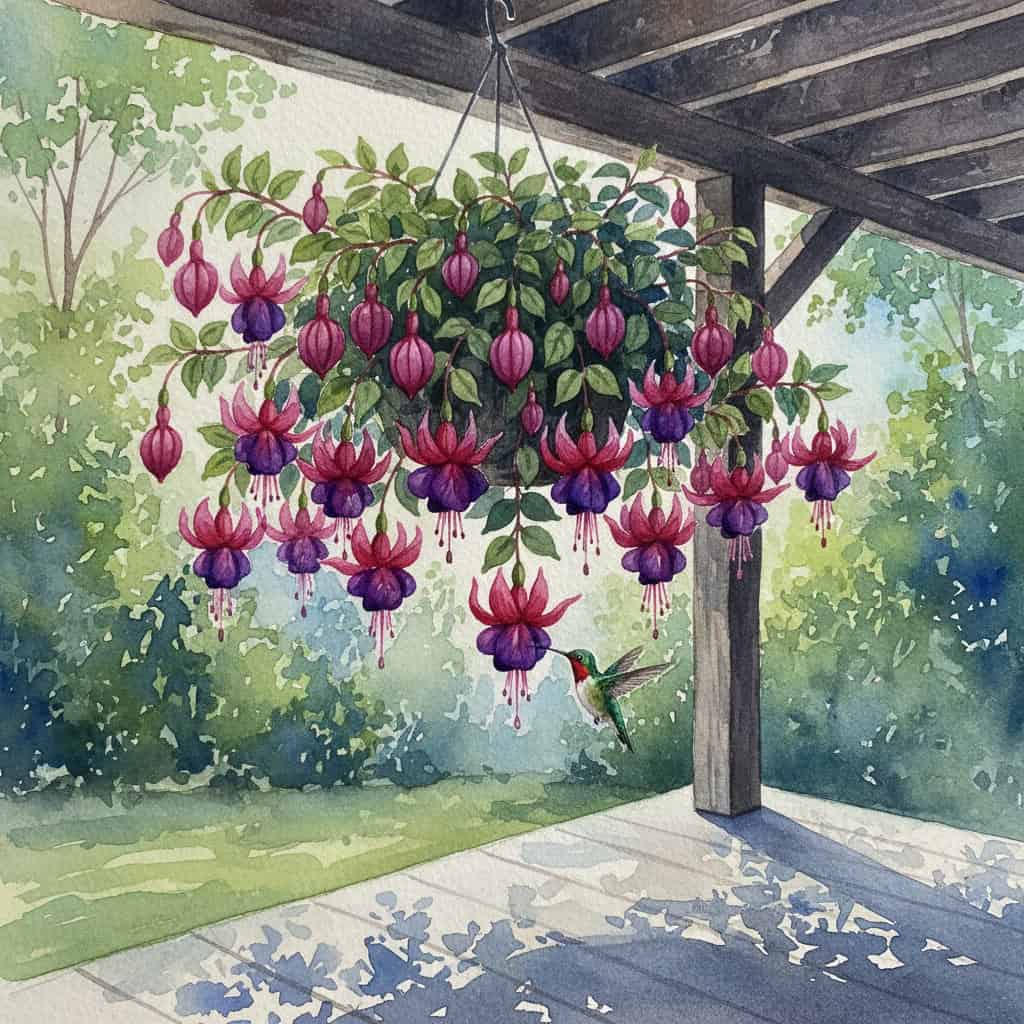
The fuchsia plant’s tubular flowers are perfectly shaped for hummingbirds’ long bills, and while hummingbirds are known to be attracted to the vibrant colors red, orange, and yellow, fuchsia’s pinkish-purple flowers are also likely to entice these small, fast-moving birds to stop for sweet nectar. Growing best in partial shade, the fuchsia plant’s long-lasting bloom can provide hummers with a consistent food source throughout the summer as part of your backyard nectar offerings.
Fuchsia’s success varies by species a little bit, but generally, most fuchsia will grow well in USDA Zones 8 and 9, with some thriving within zones 7, 10, and 11 as well, according to Portland Nursery.
Four hummingbird flowers we can actually document
| Plant | What our writers say |
|---|---|
| Coral honeysuckle | Red tubular flowers and yellow stamens; twines along a fence |
| Trumpet honeysuckle | Also called coral honeysuckle; native from Maine to Florida |
| Honeysuckle vine | Trumpet-shaped flowers; often grows wild in woods or along fences |
| Cardinal flower | Bloom shape lets only hummingbirds reach the nectar |
| Cardinal flower range | Eastern U.S. and Canada, Great Plains, and Southwest |
| Bee balm | Monarda in the mint family; bright red tubular flowers, usable for tea |
| Bee balm companions | Pair with cardinal flower and trumpet creeper |
| Fuchsia shape | Tubular flowers fit long bills; pinkish-purple also draws them |
📷 Show us your feeder setup! Share a few photos of your feeders and you might be featured on Wild Bird Scoop. Share your setup →