
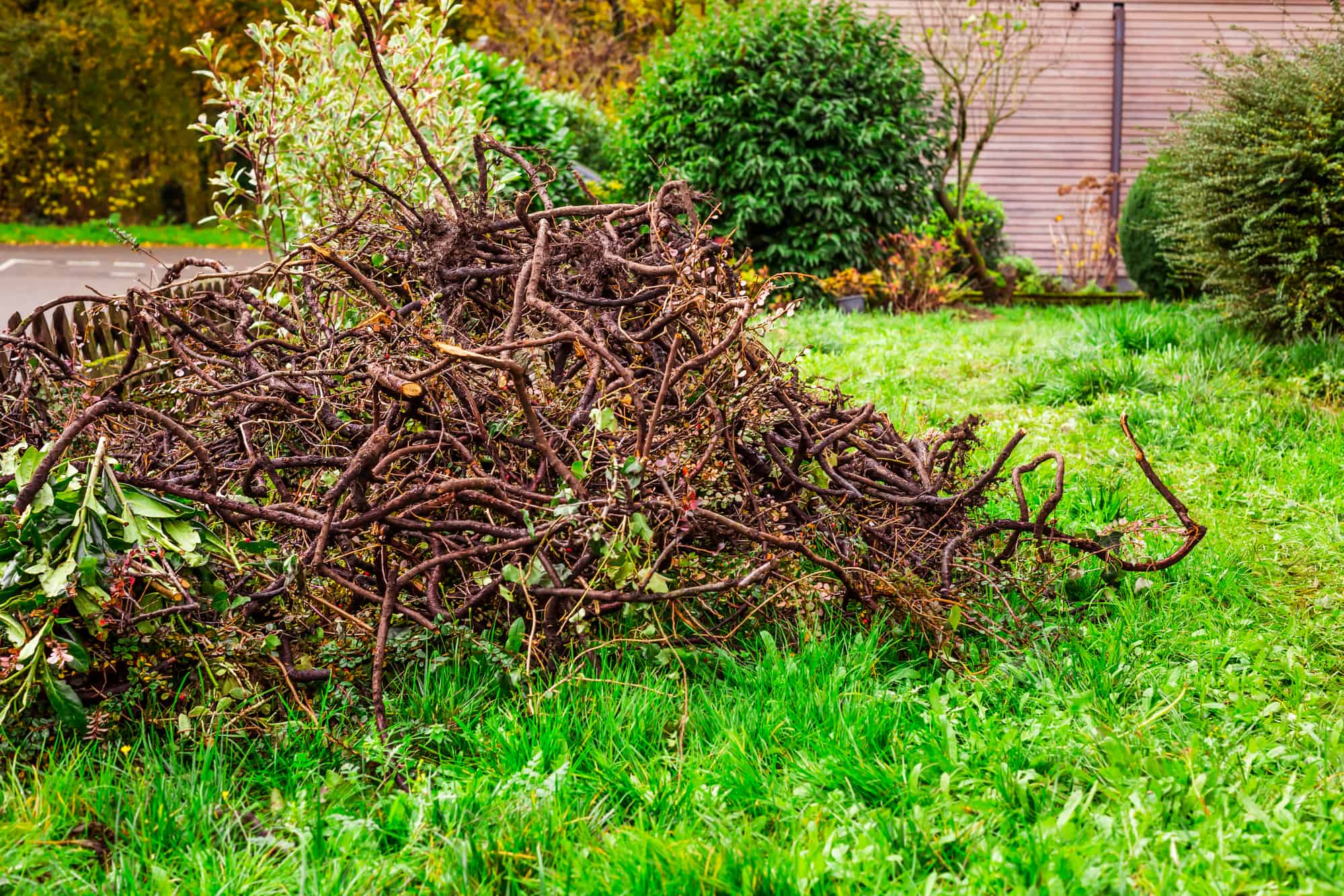

Winter’s coming, and thousands of small animals are desperately searching for safe shelter. While you’re raking leaves and hauling away fallen branches, you’re throwing away the materials for nature’s most effective wildlife rescue center.

The Camera Feeder We Use In Our Own Backyard
See Today's PriceBuilding a brush and log pile isn’t just stacking wood randomly. Done right, it becomes a multi-story apartment complex that houses different species on every level, controls garden pests naturally, and creates a thriving ecosystem that gets better with age.
Save this article for later so you don't lose it. Enter your email and I'll send it to you now—plus you'll get my favorite backyard birding tips delivered to your inbox.
Choose Your Location Like a Wildlife Real Estate Agent
Location determines everything. Your brush pile should sit in a quiet corner where wildlife feels safe but still connects to food sources. Look for spots near water sources, native plantings, or existing garden beds.
Avoid high-traffic areas where pets and people create constant disturbance. South-facing slopes work best because they offer both sunny warming spots and shaded cool zones throughout the day.
Build Your Foundation for Maximum Wildlife Value
Start with your largest logs as the foundation. These 6-12 inch diameter pieces create the permanent structure that will last for years. Place them parallel to each other, leaving 6-inch gaps between logs for small mammals to travel through.
Layer medium branches (2-4 inches) perpendicular to your base logs. This crisscross pattern creates multiple entry points and prevents the pile from becoming too dense. Think apartment building, not solid wall.
Top with smaller branches, twigs, and brush. These materials will decompose first, creating rich soil underneath while maintaining structure above. Leave some hollow pockets throughout – these become premium real estate for different species.
Size It Right for Your Space and Local Wildlife
Small yards need piles at least 4 feet wide and 3 feet high. This minimum size provides enough thermal mass to maintain stable temperatures year-round. Larger properties can support piles 8-10 feet wide and 4-5 feet high.
Long, narrow piles work better than round ones. They create more edge habitat where different species prefer to feed and shelter. Build multiple smaller piles rather than one giant pile to spread benefits across your property.
Add Native Plants for Food and Additional Shelter
Plant native species around your pile’s perimeter to create a complete habitat system. Joe-Pye weed and goldenrod provide late-season nectar for butterflies preparing for winter. Native ferns create additional cool, moist spots for amphibians.
Get our free Hummingbird Attraction Guide! Plus, we'll send you our best tips for attracting more birds to your yard.
Avoid planting directly on top of your pile. Let native volunteers establish naturally in the rich soil created by decomposing materials. This creates the most authentic woodland edge habitat.
Maintain Your Pile for Long-Term Wildlife Benefits
Add new materials to the top annually, preferably in late fall. This refreshes decomposing materials while maintaining structure. Never completely rebuild – established inhabitants need consistency.
Trim any branches that grow too aggressively around the pile, but leave most growth alone. The messier it looks, the better it works for wildlife. Resist the urge to clean up fallen leaves around the base – they’re part of the ecosystem.
Track the Wildlife Results You’ll See
Within the first month, expect to see salamanders and ground beetles moving in. Small mammals like shrews and voles typically arrive within 6-8 weeks. Birds begin using the pile for foraging immediately and may nest in year two.
Butterflies will use your pile for overwintering within the first fall season. Beneficial insects like predatory ground beetles can reduce garden pest populations by 40-60% when they establish in brush piles near vegetable gardens.
Watch for increased bird activity around your pile, especially insect-eating species like wrens and woodpeckers. These birds will help control pest insects throughout your entire property.
Customize for Your Climate Zone
Northern zones (4-6) should emphasize thermal protection. Build taller, denser piles and include evergreen boughs for additional windbreaks. Add more substantial logs that won’t decompose as quickly in cold climates.
Southern zones (7-9) can use more varied materials and should include extra shade-creating elements. Focus on moisture retention by including more leafy materials and creating deeper hollows.
Desert and dry regions need modified approaches. Use native brush and woods, and consider adding shallow water sources nearby. Stone piles mixed with brush work well for lizards and desert wildlife.
Your brush pile transforms forgotten yard waste into a wildlife sanctuary that works year-round. Start building this weekend, and watch your backyard become the neighborhood’s most important wildlife refuge.
Keep leaf litter beside the brush pile
A brush pile and a patch of undisturbed leaves offer different kinds of cover. Preserve leaf litter beneath nearby trees and shrubs where practical. Moths, butterflies, fireflies, and other invertebrates may use leaves or the soil beneath them at different life stages.
Do not assume every butterfly overwinters in a backyard leaf pile: monarchs are a notable exception. The useful action is preserving appropriate local habitat, not promising that one pile shelters every species.
Further reading: Xerces Society: Winter Habitat Protection.
📷 Show us your feeder setup! Share a few photos of your feeders and you might be featured on Wild Bird Scoop. Share your setup →





