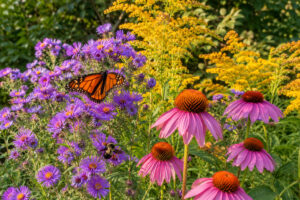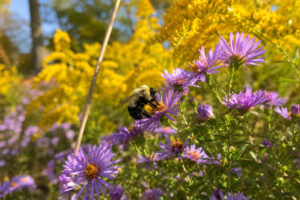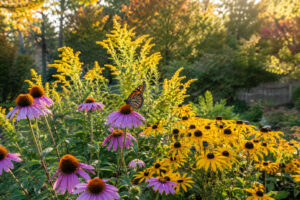

Picture this: your garden becomes the neighborhood’s buzzing headquarters while you barely lift a finger. No daily deadheading, no constant watering battles, no wondering why butterflies visit once and never come back.

Bring Woodpeckers & Nuthatches To Your Yard
Check PriceThe secret lies in strategic plant partnerships. While most gardeners scatter individual ‘pollinator plants’ throughout their yards and hope for the best, smart gardeners create plant communities that work as teams. These partnerships handle pest control, extend bloom seasons, and provide the layered habitat structure that transforms casual wildlife visits into permanent residence.
Save this article for later so you don't lose it. Enter your email and I'll send it to you now—plus you'll get my favorite backyard birding tips delivered to your inbox.
The Science Behind Pollinator Plant Partnerships
When you pair complementary plants, something magical happens. Early bloomers hand off nectar duties to mid-season stars, which pass the torch to fall champions. Root systems share nutrients underground while foliage creates varied microclimates above ground. This isn’t just pretty gardening – it’s ecosystem engineering.
Studies show that diverse plant communities support 40% more pollinator species than single-plant gardens. The key is matching plants that bloom at different times but thrive in similar conditions, creating what biologists call ‘temporal complementarity.’
1. Catmint + Bee Balm: The Hummingbird Magnet Duo
Catmint’s silvery foliage and purple spikes provide the perfect backdrop for bee balm’s scarlet crowns. While catmint blooms continuously from late spring through fall, bee balm takes center stage in midsummer. Together, they create a hummingbird highway that keeps ruby-throats coming back all season.
2. Black-Eyed Susan + Purple Coneflower: The Goldfinch Buffet
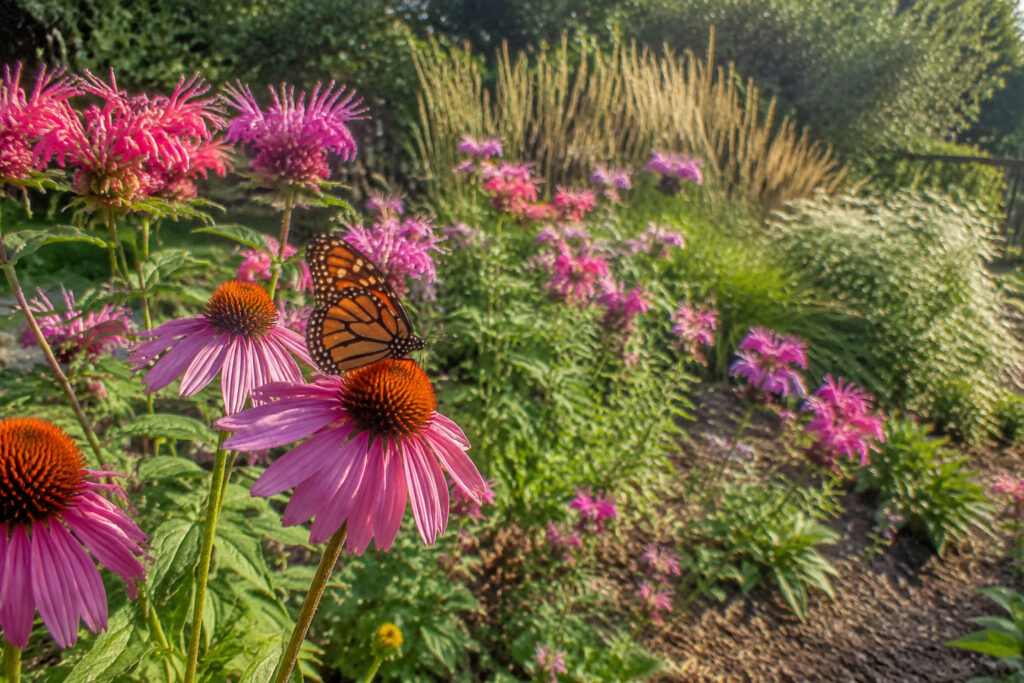
This golden-purple combination looks stunning, but the real magic happens in late summer when both plants set seed. Goldfinches perform acrobatic feeding shows on the sturdy stems while you get months of cheerful blooms followed by sculptural winter interest.
3. Butterfly Weed + Joe Pye Weed: The Monarch Nursery
Butterfly weed serves as the monarch maternity ward (caterpillar host plant) while Joe Pye Weed provides the refueling station (adult nectar source). This partnership creates a complete monarch lifecycle support system in just two plants, covering early summer through fall.
Get our free Hummingbird Attraction Guide! Plus, we'll send you our best tips for attracting more birds to your yard.
4. Anise Hyssop + Sedum: The Season Extender
Anise hyssop kicks off the party in midsummer with spikes of purple blooms beloved by bees. As it fades, sedum steps in with its late-season flower clusters, providing crucial nectar when most other flowers have finished. This duo keeps pollinators fed from July through October.
5. New England Aster + Meadow Blazing Star: The Migration Station
Both plants peak during fall migration season, creating a crucial refueling stop for traveling monarchs and other butterflies. The vertical blazing star spikes complement the spreading aster clouds, giving your garden stunning September color while supporting wildlife journeys.
6. Catmint + Lavender: The Low-Water Powerhouse
This drought-tolerant duo thrives on neglect while providing continuous blooms and intoxicating fragrance. Both plants have similar water and soil needs, making them perfect companions for low-maintenance gardens that still attract beneficial insects.
7. Wild Bergamot + Little Bluestem Grass: The Prairie Partnership
Native prairie plants evolved together, and this combination proves why. The grass provides winter shelter for beneficial insects while the bergamot feeds them during growing season. Together, they create authentic habitat that supports native bee species.
8. Coreopsis + Ornamental Mullein: The Self-Sowing Surprise
Both plants self-seed readily, creating natural drifts that look intentionally designed. Coreopsis provides cheerful yellow blooms from early summer through fall, while mullein’s architectural flower spikes add vertical drama and attract specialized native bees.
9. Wild Columbine + Ferns: The Woodland Edge
This partnership recreates the woodland edge habitat that many native pollinators prefer. Columbine’s delicate flowers attract early-season bees and hummingbirds, while ferns provide the moist, sheltered conditions needed for ground-nesting native bees.
10. Salvia + Ornamental Grasses: The Textural Contrast
Spiky salvia flowers look incredible rising from flowing grass fountains. The structural contrast creates visual interest while the grass provides winter seed for birds and shelter for overwintering beneficial insects.
11. Yarrow + Black-Eyed Susan + Native Mint: The Beneficial Insect Trio
This three-plant combination creates a beneficial insect paradise. Yarrow’s tiny flowers feed tiny beneficial wasps (your pest control squad), while black-eyed susans attract larger pollinators and the mint family plants provide nectar for a wide range of species.
Planting for Maximum Impact
Group these partnerships in odd numbers (3, 5, or 7 plants per species) for the most natural look. Space plants according to their mature size, and remember that these perennials will spread over time, filling in gaps and creating the lush, established look that wildlife loves.
Plant in spring or fall for best establishment, water regularly the first year, then step back and watch your pollinator paradise take shape. Within two growing seasons, you’ll have a self-sustaining ecosystem that provides year-round interest with minimal maintenance.
The best part? Each partnership gets better with age, creating stronger root systems, more abundant blooms, and increasingly diverse wildlife communities. Your neighbors will wonder how you created such a stunning garden that seems to take care of itself – and you’ll know the secret lies in letting nature’s partnerships do the work.