September’s cool nights and shorter days signal the end of summer gardening to most people, but experienced growers know something different: the sweetest, most flavorful vegetables of the year are still growing underground, quietly transforming with each chilly morning.

Bring Woodpeckers & Nuthatches To Your Yard
Check PriceRoot vegetables possess a remarkable survival strategy that turns cold weather into a flavor advantage. When temperatures drop, these plants convert stored starches into natural sugars as a defense mechanism against freezing. The result? Vegetables so sweet and tender they taste like nature’s candy.
Save this article for later so you don't lose it. Enter your email and I'll send it to you now—plus you'll get my favorite backyard birding tips delivered to your inbox.
The Science Behind Cold-Weather Sweetness
Plant biology explains this amazing transformation. As soil temperatures cool, root vegetables slow their growth and redirect energy into sugar production. These natural sugars act as antifreeze, protecting plant cells from damage. For gardeners, this means the difference between bitter summer roots and sweet fall harvests.
The process works best when daytime temperatures stay moderate while nights drop below 40°F. This temperature variation triggers maximum sugar conversion while keeping the plants alive and growing slowly.
13 Root Vegetables That Improve with Cold
1. Carrots
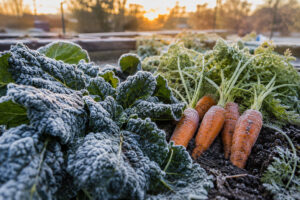
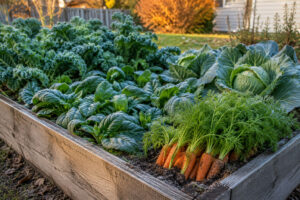
Perhaps the most famous cold-sweetened vegetable, carrots develop candy-like sweetness after several frosts. Fall-harvested carrots contain up to 40% more natural sugars than their summer counterparts.
2. Parsnips
These cream-colored roots require cold exposure to reach peak flavor. Never harvest parsnips before the first frost, as they’ll taste woody and bitter. Post-frost parsnips develop a nutty, almost buttery sweetness.
3. Brussels Sprouts
While technically not a root vegetable, Brussels sprouts follow the same cold-sweetening pattern. Frost transforms their sulfurous compounds into natural sugars, creating the sweet, nutty flavor that converts skeptics.
4. Turnips
Young turnips harvested after light frosts lose their sharp bite and develop mild, sweet flavors perfect for roasting or eating raw in salads.
5. Rutabagas
These hardy roots actually improve in storage after cold weather, developing complex sweet and earthy flavors that make them perfect for winter stews.
6. Radishes
Winter radish varieties like daikon become milder and sweeter with cold exposure, losing their harsh bite while maintaining their crisp texture.
Get our free Hummingbird Attraction Guide! Plus, we'll send you our best tips for attracting more birds to your yard.
7. Beets
Cold weather concentrates beet sugars, making fall-harvested roots noticeably sweeter than summer varieties. The greens also become more tender and less bitter.
8. Sweet Potatoes
While typically harvested before hard frost, sweet potatoes that experience light cold develop enhanced sweetness through starch conversion.
9. Leeks
Cold exposure mellows leek flavors, creating sweeter, more tender vegetables perfect for soups and braises.
10. Celeriac
This knobby root develops rich, sweet celery flavors after cold weather, making it ideal for winter gratins and purees.
11. Sunchokes
Also called Jerusalem artichokes, these tubers become sweeter and less starchy after exposure to freezing temperatures.
12. Winter Squash
Though not technically roots, winter squash varieties develop peak sweetness and flavor after cold weather exposure before harvest.
13. Horseradish
Fall-harvested horseradish roots contain optimal heat levels balanced with natural sweetness, making them perfect for fresh preparations.
Timing Your Harvest for Maximum Sweetness
The key to sweet root vegetables lies in harvest timing. Most roots need at least one or two light frosts to trigger sugar production. However, harvest before soil freezes solid, as this can damage root quality.
Monitor soil temperature with a simple thermometer. Optimal harvest occurs when soil temperatures consistently stay between 32-40°F during nights but warm slightly during the day.
Storage Secrets for Extended Harvests
Many cold-sweetened roots store beautifully through winter with proper techniques. Carrots, parsnips, and turnips can remain in the ground under mulch protection in many climates, allowing harvest as needed.
For long-term storage, harvest roots after peak sweetness develops, remove tops, and store in cold, humid conditions like root cellars or refrigerators.
Planting Strategy for Fall Success
Success with fall root vegetables starts with proper timing. Plant seeds 10-14 weeks before your first expected hard frost. This timing allows roots to develop fully before cold weather triggers the sweetening process.
Choose varieties specifically bred for fall and winter harvest. These varieties often have better cold tolerance and enhanced sugar production capabilities.
Fall root vegetable gardening transforms the traditional growing season from a summer-focused sprint into a year-round marathon of flavor. While others pack away their gardening tools, you’ll be harvesting the sweetest, most flavorful vegetables nature can produce, all thanks to the magic of cold weather chemistry.
📷 Show us your feeder setup! Share a few photos of your feeders and you might be featured on Wild Bird Scoop. Share your setup →
Keep reading