Spring bulbs need a cold winter in the ground, so they go in during fall. Wisconsin Extension says to plant once the soil cools to about 50 to 55°F and keep going until a couple of weeks before the ground freezes. Most bulbs go two to three times as deep as they are tall, in soil that drains well. These six run in bloom order, from late winter into early summer.

The Camera Feeder We Use In Our Own Backyard
See Today's Price1. Snowdrop (Galanthus nivalis)
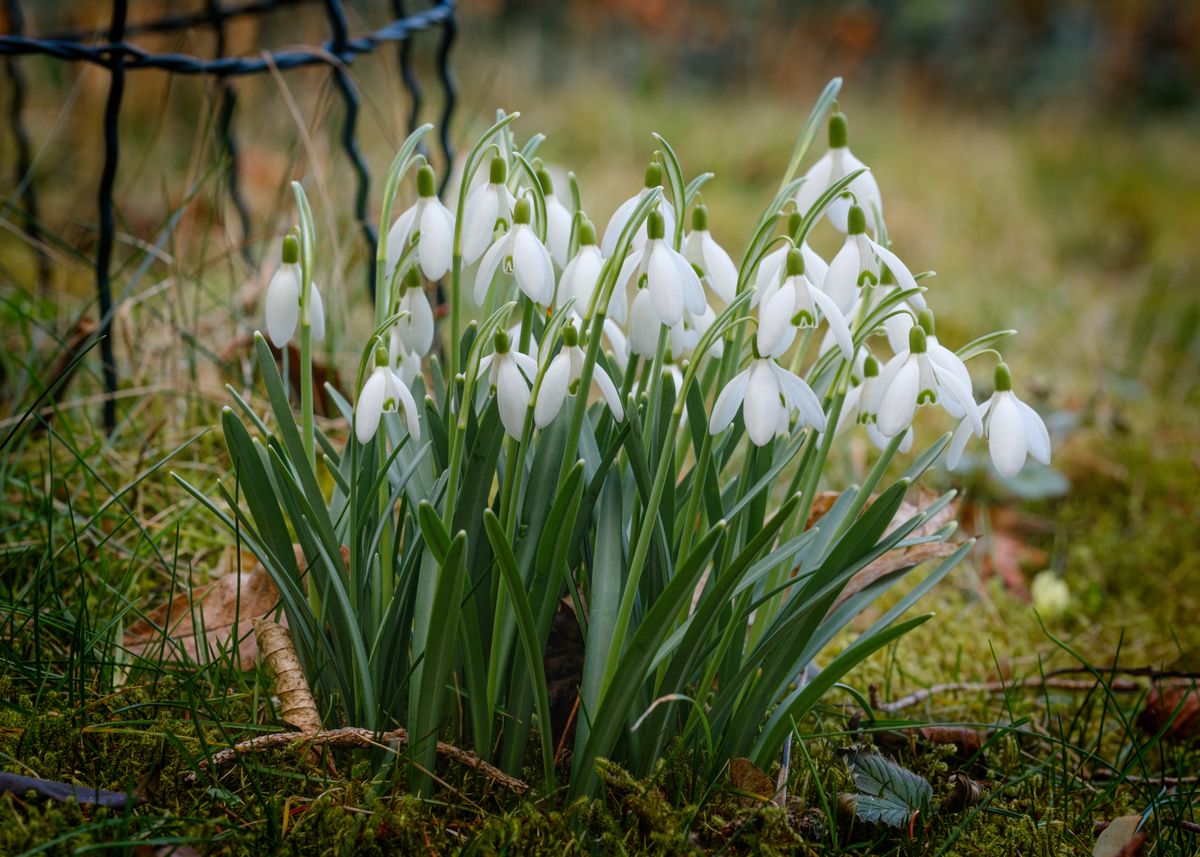
Snowdrops are often the first flowers of the year, with nodding white bells in late winter (February in St. Louis). They are hardy in zones 3 to 7 and prefer cool climates. The Missouri Botanical Garden notes they tend to be short-lived south of zone 7.
Save this article for later so you don't lose it. Enter your email and I'll send it to you now—plus you'll get my favorite backyard birding tips delivered to your inbox.
Plant them 2 to 3 inches deep and 2 to 3 inches apart, in groups of at least 25 so they make a show. They like moist, humus-rich soil under deciduous trees, where they get sun in early spring and shade once the leaves come out. Happy plants spread by seed and offsets into large colonies. Let the foliage yellow before you tidy it.
Pets: the ASPCA has no snowdrop listing. Pet Poison Helpline says eating snowdrops can cause drooling, vomiting and diarrhea in pets, and the bulbs hold the most toxin.
2. Crocus (Crocus vernus and C. tommasinianus)
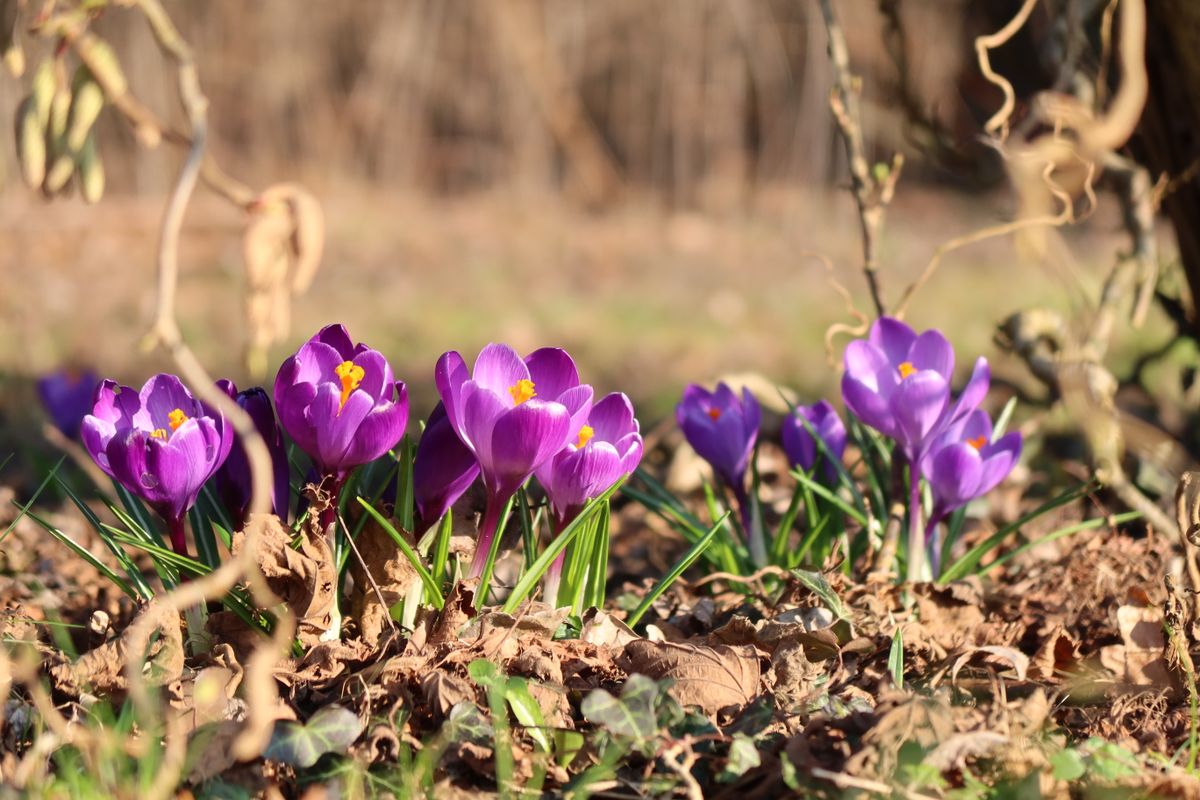
Crocus comes next. Snow crocus (C. tommasinianus) opens in March in St. Louis and Dutch crocus (C. vernus) in April. Both are hardy in zones 3 to 8, in full sun to part shade.
Plant the corms 3 to 4 inches deep and 3 to 6 inches apart in gritty, well-drained soil; they do poorly in heavy clay. In a lawn, don’t mow until the leaves yellow, about six weeks after bloom. UC Master Gardeners in Butte County, California, list crocus as attractive to bees in a guide to feeding bees in late winter and early spring.
Squirrels and chipmunks dig crocus, so lay chicken wire flat over the bed and cover it with mulch. The shoots grow through the holes.
Pets: Pet Poison Helpline says spring crocus can cause drooling, vomiting, loss of appetite and diarrhea in dogs and cats. Don’t confuse it with autumn crocus (Colchicum autumnale), a fall bloomer that Pet Poison Helpline calls very toxic and the ASPCA lists as toxic to dogs and cats.
Get our free Hummingbird Attraction Guide! Plus, we'll send you our best tips for attracting more birds to your yard.
3. Daffodil (Narcissus spp.)
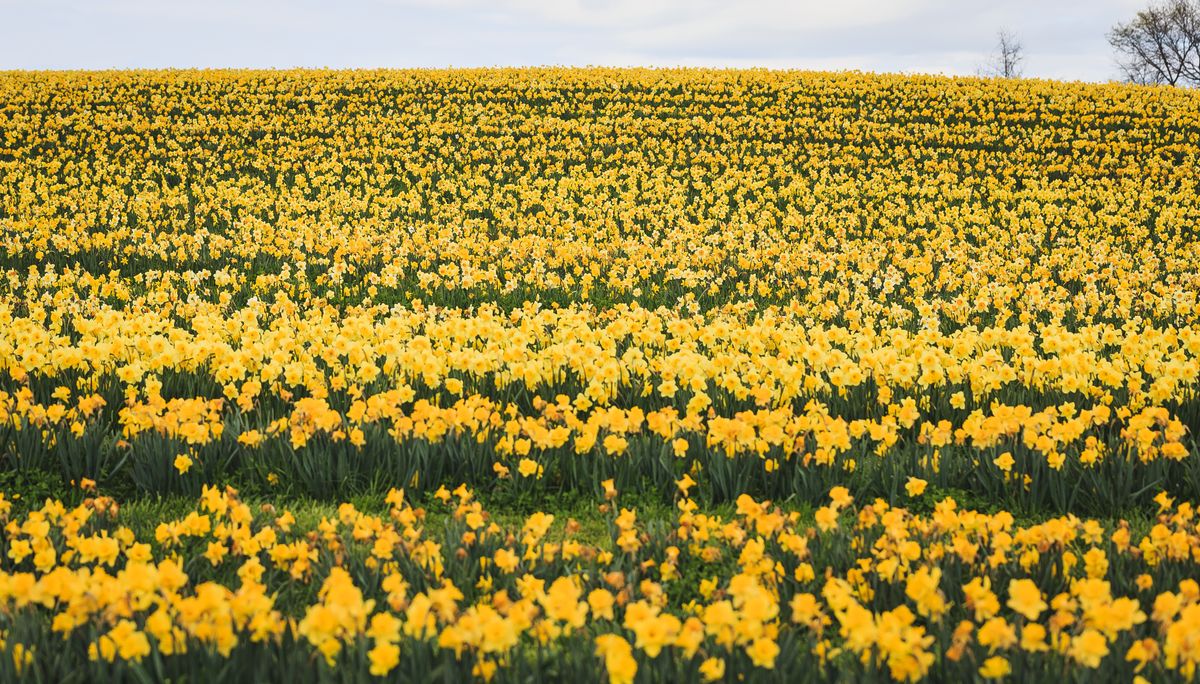
Daffodils are the most dependable bulb here. They are hardy in zones 3 to 8, grow in full sun to part shade and come back for years. Plant in early to mid fall, two to three times as deep as the bulb with at least 3 inches of soil on top, and 4 to 10 inches apart. Good drainage is essential.
Keep the soil moist while they grow, and leave the leaves until they yellow. If blooms thin out after a few years, dig and divide the clumps once the foliage dies back.
The bulbs are poisonous, so squirrels leave them alone. Pets: the ASPCA lists daffodils as toxic to dogs and cats, and says the bulbs are the most poisonous part.
4. Hyacinth (Hyacinthus orientalis)
Hyacinths bring the strongest fragrance of spring, in blue, purple, pink, red and white spikes that open in April. They are hardy in zones 4 to 8 and do best in full sun and rich, well-drained soil.
Plant them 4 to 6 inches deep and 4 to 6 inches apart in mid fall, in clusters of 6 to 15. Water right after planting to start the roots. Snip off spent spikes so the bulb does not spend energy on seed.
Wear gloves: the bulb sap can make skin itch. Wisconsin Extension says hyacinths are poisonous to squirrels, which avoid them. Pets: the ASPCA lists hyacinth as toxic to dogs and cats.
5. Tulip (Tulipa spp.)
Tulips give the biggest color of the season, but big hybrid tulips often return for only a few years. Wisconsin Extension suggests species tulips, the shorter types with smaller flowers, for a planting that lasts. Tulipa tarda, hardy in zones 3 to 8, bears clusters of white-and-yellow stars in March to April and perennializes well.
Give tulips full sun and well-drained soil. Plant species types about 4 to 5 inches deep and larger hybrids deeper. Leave the leaves until they yellow.
Squirrels love tulip bulbs, so cover new plantings with chicken wire. Pets: the ASPCA lists tulips as toxic to dogs and cats, and says the bulb has the highest concentration of toxin.
6. Giant Allium (Allium giganteum)
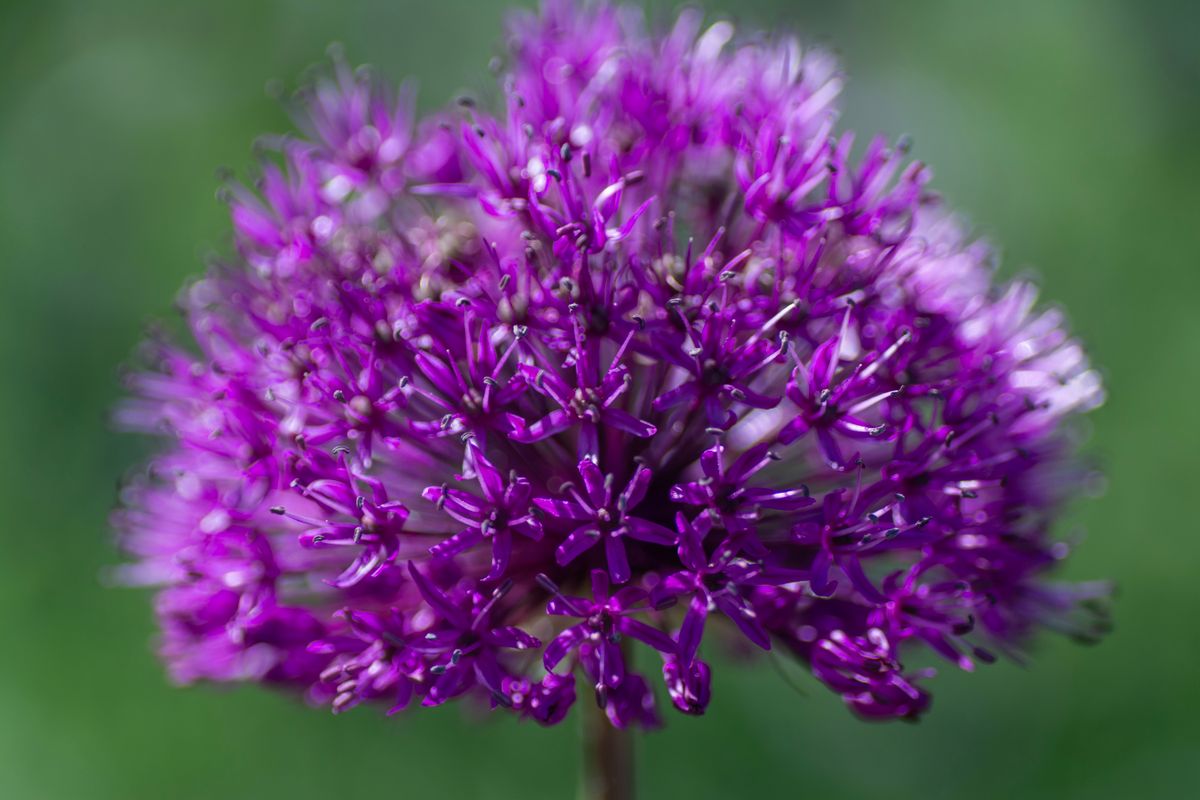
Giant allium finishes the bulb season. In late spring to early summer, 3- to 4-foot stems carry softball-size heads of lilac-purple florets, 5 to 6 inches across. It is hardy in zones 5 to 8.
Plant the large bulbs 5 to 6 inches deep and 9 to 12 inches apart in fall, in full sun and well-drained soil. Choose a spot sheltered from strong wind so the tall stems stay upright. The leaves wither soon after bloom, so plant something in front to fill the gap. Mature clumps can be dug and divided in fall.
Pets: the ASPCA has no page for ornamental alliums. It does list onion, garlic, leek and chives, all Allium species, as toxic to dogs and cats. NC State Extension flags giant allium as a problem for dogs and cats, so keep the bulbs out of reach.
📷 Show us your feeder setup! Share a few photos of your feeders and you might be featured on Wild Bird Scoop. Share your setup →