You fill the feeder before bed, and by sunrise, it’s completely empty. No birds in sight, just scattered shells and an empty tube.

The Camera Feeder We Use In Our Own Backyard
See Today's PriceIf this sounds familiar, you’re not dealing with hungry songbirds—you’ve got a thief on your hands. Let’s identify the culprit and get your seed back where it belongs.
Save this article for later so you don't lose it. Enter your email and I'll send it to you now—plus you'll get my favorite backyard birding tips delivered to your inbox.
Thief #1. Squirrels Are the Acrobatic Seed Raiders

Squirrels are the biggest reason to ensure that your feeder pole is tall enough. Squirrels are champion jumpers, climbers, and droppers.
You can use a squirrel-deterring feeder, but squirrels will still access it if it isn’t high enough off the ground. Perhaps the most common way is a squirrel baffle.
Squirrels can easily climb bird feeder poles, so a squirrel baffle is attached to the midsection of a bird feeder pole to prevent squirrels from climbing the pole to access your feeder. As long as you place your feeder higher than squirrels can jump and away from anything they can jump from like a branch or bush, putting feeders on windows can reduce squirrels’ ability to reach them.
Without a pole to climb or another access point, a glass window is difficult for squirrels to climb. If they do get onto your window feeder, they can cause damage, as suction cups aren’t designed for the weight of an adult squirrel.
If a squirrel reaches your window feeder, move it higher up the window to a level squirrels can’t jump to, or to a new location away from launch points.
Thief #2. Bullies Like Grackles and Starlings

As individuals, European starlings are not much of a problem. But when they gather by the hundreds or even thousands, they cause a lot of problems!
Get our free Hummingbird Attraction Guide! Plus, we'll send you our best tips for attracting more birds to your yard.
In fact, starlings are often described as a pest or nuisance birds. They are very aggressive.
European starlings, particularly unpopular and aggressive birds, are also suet fans. If you don’t like to feed the starlings, the Cornell Lab of Ornithology recommends buying a feeder that requires birds to hang upside down.
Birds like woodpeckers and chickadees won’t be affected, but starlings will. Blackbirds, starlings, grackles, cowbirds, and other icterids also tend to dislike safflower seeds, which means your songbirds can eat them in peace.
This is great if you want your smaller birds to avoid being harassed by larger, stronger birds.
Thief #3. Sneaky Night Visitors, Raccoons and Mice
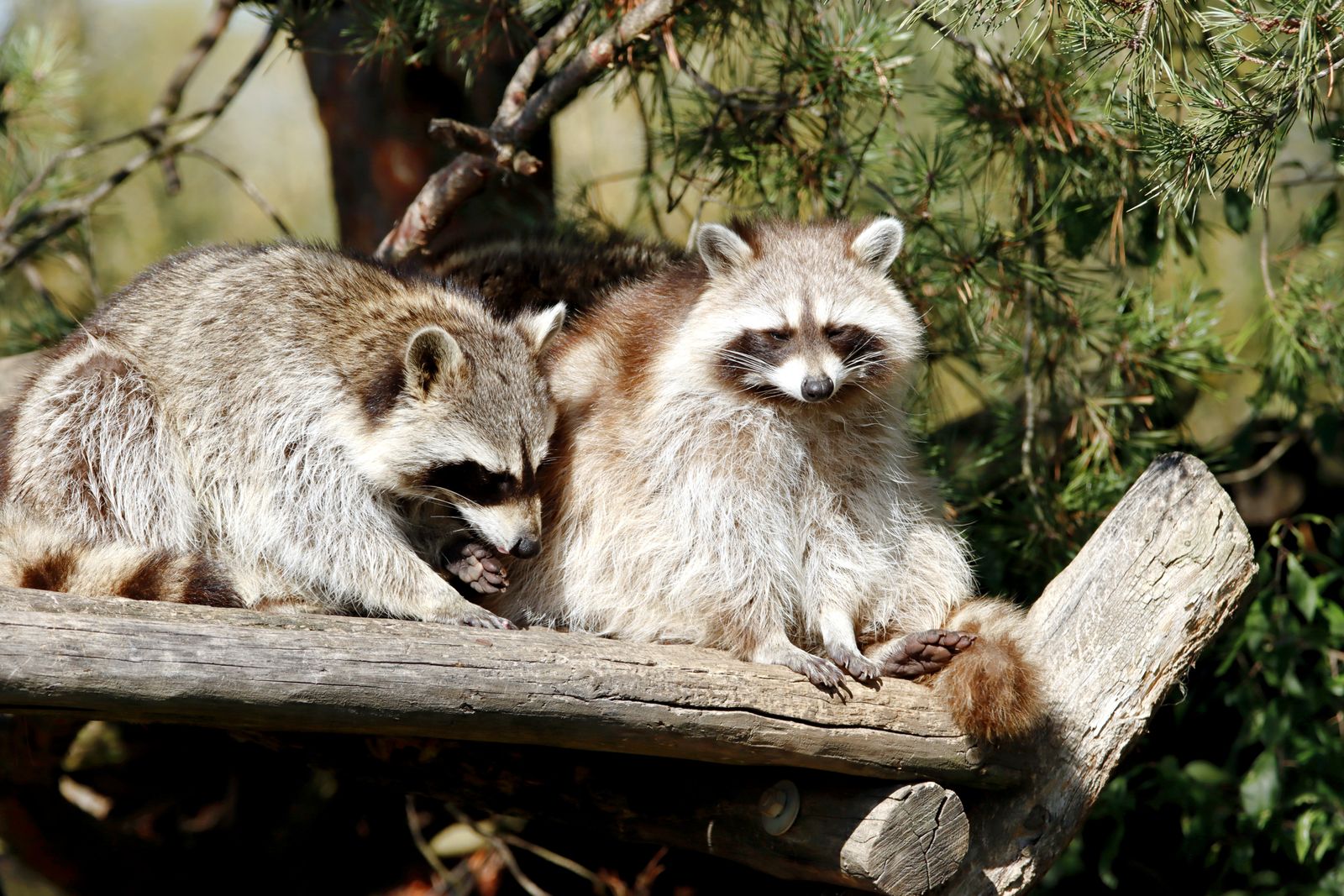
If the nectar levels are going down on a hummingbird feeder at night – hummingbirds are unlikely to be the culprits. The offenders may be bats, flying squirrels, or raccoons, though the last of these will often destroy a feeder rather than just emptying it.
Ground bird feeders feel like an odd choice for a bird feeder. They leave the bird food open to scavenging by rats, mice, squirrels, and other pests.
They can also be messy, as birds often scatter the seed around the feeding area. Bears will often destroy the feeder in the process.
Raccoons may do the same. If your feeder is destroyed, you can often narrow it down to one of these two animals.
Protect Your Feeders With Simple Steps
A squirrel baffle will likely be enough to keep raccoons off of feeders, and they will be far too big to maneuver through squirrel-proof feeders.
Install a squirrel baffle and clean up the ground around your bird feeders. If you’ve baffled the squirrels successfully to keep them away from feeders, you’ll want to make sure the ground is clean as well.
Rodents like mice and rats can be attracted to this buildup of food as messy birds toss seeds and expel waste. Tube feeders usually have a perch attached so birds can rest while they eat, and some even come with a built-in baffle to keep squirrels from raiding the seed supply.
Who empties the feeder overnight
| What you see | Likely cause | What to do |
|---|---|---|
| Seed gone, pole climbed | Squirrels jump, climb, and drop | Use a tall pole plus a mid-pole baffle |
| Squirrels still reach it | Feeder too low or near a launch point | Keep it higher than they can jump and away from branches |
| Window feeder ripped down | Adult squirrel weight on suction cups | Move the feeder higher on the glass |
| Hundreds of dark birds | European starlings in huge flocks | Treat them as a pest species at the feeder |
| Starlings hog suet | They are aggressive suet fans | Use a feeder that makes birds hang upside down |
| Grackles and starlings crowd songbirds | They dislike safflower | Offer safflower so songbirds can eat in peace |
| Nectar gone by morning | Bats, flying squirrels, or raccoons | Raccoons often destroy the feeder, not just empty it |
| Ground tray cleaned out | Rats, mice, squirrels, and other pests | Skip open ground feeders |
| Mice under the pole | Spilled seed after a baffle works | Baffle the pole and clean the ground |
| Tube feeder raided | Squirrels on the perch | Pick a tube with a built-in baffle |
📷 Show us your feeder setup! Share a few photos of your feeders and you might be featured on Wild Bird Scoop. Share your setup →