


Store-bought suet cakes can cost $2 or more, and they often melt into a greasy mess when temperatures climb. The good news?

The Camera Feeder We Use In Our Own Backyard
See Today's PriceYou can make better, longer-lasting suet cakes at home for a fraction of the price—and the birds will love them even more.
Save this article for later so you don't lose it. Enter your email and I'll send it to you now—plus you'll get my favorite backyard birding tips delivered to your inbox.
Why Homemade No-Melt Suet Beats Store-Bought Every Time
Suet cakes don’t have to be refrigerated before use. Regular suet doesn’t melt until it’s above 70 degrees.
No-melt varieties stay solid up to 90 degrees. If your home is especially warm, you can keep suet in the refrigerator for freshness.
One quick tip on suet: suet, made from animal fat, can quickly go bad in hot summer months. If you find yours is going bad quickly, save it for colder weather.
You can also try to buy no-melt suet or make it from a recipe found online. Some companies advertise no-melt suet that can handle temperatures into the 90s, so that’s worth a try if you want to put out suet before the temperatures dip.
Still, it can save you time, money, and a mess by waiting a few months until the weather starts to turn before you place suet for the birds, and it can also be healthier.
Pro Tip
The secret to true no-melt suet is the flour-to-fat ratio. The flour and cornmeal absorb the fats and create a matrix that holds firm up to 95°F. If your cakes are still melting, increase the flour by 1/4 cup.
Simple Ingredients You Probably Have at Home

Suet is a cake or ball of rendered animal fat. Other healthy ingredients are often added to it, and it is an excellent food for birds who need extra calories and a source of energy.
Peanut and other nut butters can also be used as a binding ingredient for birdseed and other ingredients, and a source of fat and protein in balls to use in place of suet or lard fat balls in your backyard. Suet and lard are animal fats that work well in a homemade bird feeder and are sometimes key ingredients in fat balls and other ready-made feeders for birds that you can buy.
One common idea for feeding wild birds in a garden – especially in winter – involves adding some healthy bird feed ingredients to a base of animal fat or suet.
Get our free Hummingbird Attraction Guide! Plus, we'll send you our best tips for attracting more birds to your yard.
- Lard or shortening (1 cup) – This is your base fat. Lard creates the firmest texture and holds up best in heat.
- Chunky peanut butter (1 cup) – Adds protein, flavor, and texture. The chunks give birds something to work for.
- Cornmeal (2 cups) – Acts as a binder and provides carbohydrates for energy.
- Quick oats (2 cups) – Another binding agent that birds enjoy pecking at.
- All-purpose flour (1 cup) – Helps absorb moisture and creates structure.
- Sugar (½ cup) – Provides quick energy, especially helpful during migration.
Did You Know?
Woodpeckers, nuthatches, and chickadees get up to 80% of their winter calories from animal fat. Your homemade suet cakes are literally life-saving during cold snaps when insects are unavailable.
Step-by-Step: Mixing and Molding Your Suet Cakes
To make suet using a banana, simply mash up a ripe banana and mix it with melted fat. Then, add your favorite bird seed to the mixture and stir until everything is well combined.
Once you have blended the finished mixture, you can make balls with the prepared suet and place them into a suet cage. You can also press the mixture around a pine cone, into a coconut shell, or another natural receptacle.
Place the suet balls on a cookie sheet or the re-purposed container from step 3 into the refrigerator for two to three hours to firm up the suet.
Now comes the molding. You can use store-bought suet cage holders as templates, plastic containers, or even muffin tins.
Press the mixture firmly into your molds, packing it down to eliminate air pockets. The firmer you press, the more durable your finished cakes will be.
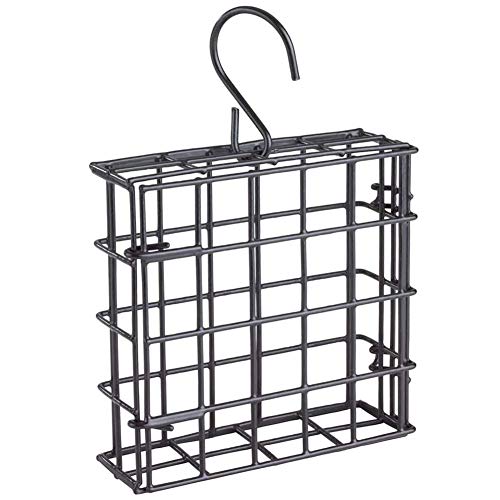
More Birds Suet Cage Bird Feeder Black
Check Price
Gbekery All-Metal Double Suet Bird Feeder
Check PriceTips for Bird Success, Storage, and Attracting Favorites

Storage is key to keeping your homemade suet fresh and effective. Wrap individual cakes in plastic wrap or wax paper and store them in an airtight container in the freezer.
They’ll keep for up to six months this way, giving you a ready supply whenever your feeder runs empty. Thaw cakes overnight in the refrigerator before putting them out.
Suet is an ideal bird food for cold weather when formed into dense cakes. A standard suet cake is high in protein and nutrients that can help birds brave the harsh northern winters, and many birds will regularly visit a suet feeder.
This suet mix can be stored in the fridge and will last for several weeks. Replenish your bird feeding station with this mixture often, and the birds will keep coming back for more.
Bird feeding with suet is typically something done in the cooler months and over winter. But this can potentially be helpful in summer too.
If you’re wondering what to put in a suet feeder in summer, then look no further than no-melt suet. Attracting hairy woodpeckers is easy; you only need some sunflower seeds, suet, and dried fruits.
However, they mostly prefer insects, so you won’t find them at your feeder often.
Customization opens up endless possibilities for attracting specific birds. Mix in black oil sunflower seeds or chopped peanuts for extra protein that chickadees love.
Add dried mealworms to draw bluebirds and wrens. A handful of dried fruit appeals to catbirds and mockingbirds.
Just fold add-ins into your mixture before molding.
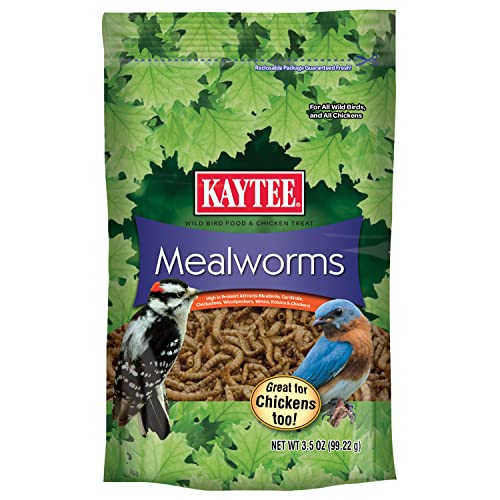
Kaytee Wild Bird Mealworms 3.5oz
Check Price
WORMSKING 2LB Dried Mealworms for Birds
Check PriceNo-melt suet at a glance
| Spec | What our writers say |
|---|---|
| Regular suet melt point | Does not melt until above 70 degrees |
| No-melt melt point | Stays solid up to 90 degrees |
| Base | Rendered animal fat, suet, or lard |
| Binder option | Peanut or other nut butters |
| Mix-ins | Seeds, bits of fruit, or a mashed ripe banana |
| Chill time | Two to three hours in the refrigerator |
| Storage | Fridge storage can last several weeks |
| Season | Save suet for fall and winter; homemade is risky in hot months |
📷 Show us your feeder setup! Share a few photos of your feeders and you might be featured on Wild Bird Scoop. Share your setup →





