
Nuthatches need three things from a yard: mature trees, insects in the bark and holes to nest in. Many tidy-yard projects remove exactly those. These four mistakes are the ones that hold up against what the Cornell Lab of Ornithology and wildlife agencies say about how white-breasted and red-breasted nuthatches live. Each one includes a practical fix.

The Camera Feeder We Use In Our Own Backyard
See Today's Price1. Taking out big old trees, especially oaks
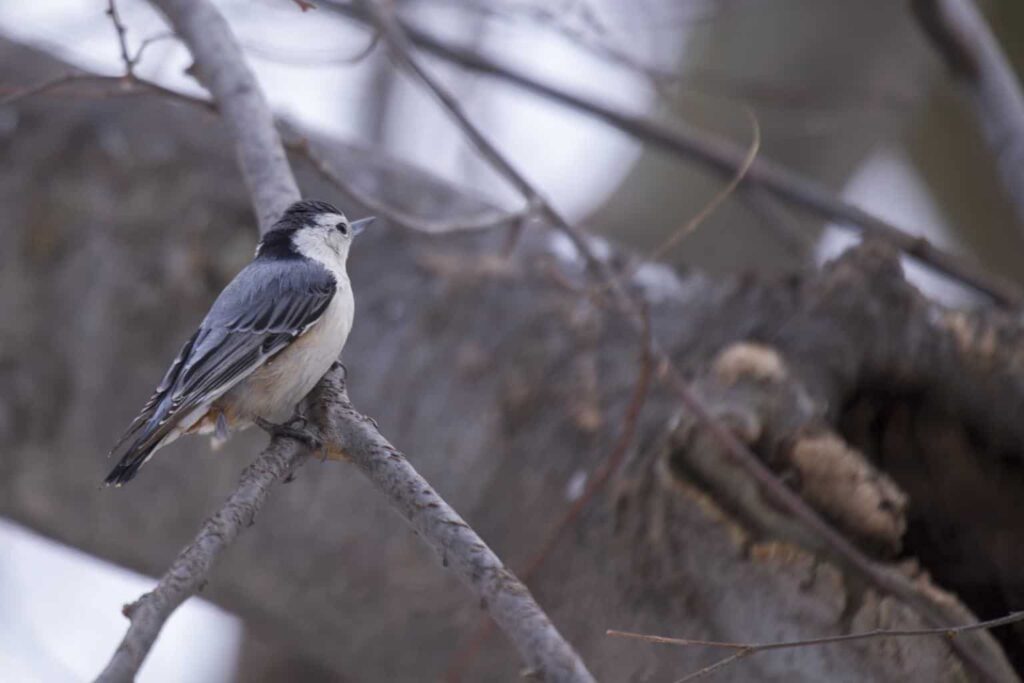
White-breasted nuthatches are birds of mature woods. They prefer big deciduous trees such as oaks, hickories and maples, where they creep along trunks and limbs hunting insects in the bark. They also eat acorns and other nuts, wedging them into bark crevices and hacking them open. That habit gave the bird its name. Red-breasted nuthatches lean toward conifers instead. Replacing a mature oak with a young ornamental, or swapping trees for rock mulch, takes away food, foraging space and future nest holes for years.
Get our free Hummingbird Attraction Guide! Plus, we'll send you our best tips for attracting more birds to your yard.
Save this article for later so you don't lose it. Enter your email and I'll send it to you now—plus you'll get my favorite backyard birding tips delivered to your inbox.
2. Removing every dead branch and snag
Nuthatches nest in tree cavities. White-breasted nuthatches use natural holes or old woodpecker holes and often return to the same one. Red-breasted nuthatches dig their own, usually in dead trees or dead limbs on live ones. Dead wood also holds the beetle larvae and other insects nuthatches pick from bark. The National Wildlife Federation says as many as 85 U.S. bird species use dead trees. Take down any snag or limb that could fall on a house, path or play area. Where it is safe, leave some standing.
3. A deep, slick-sided birdbath

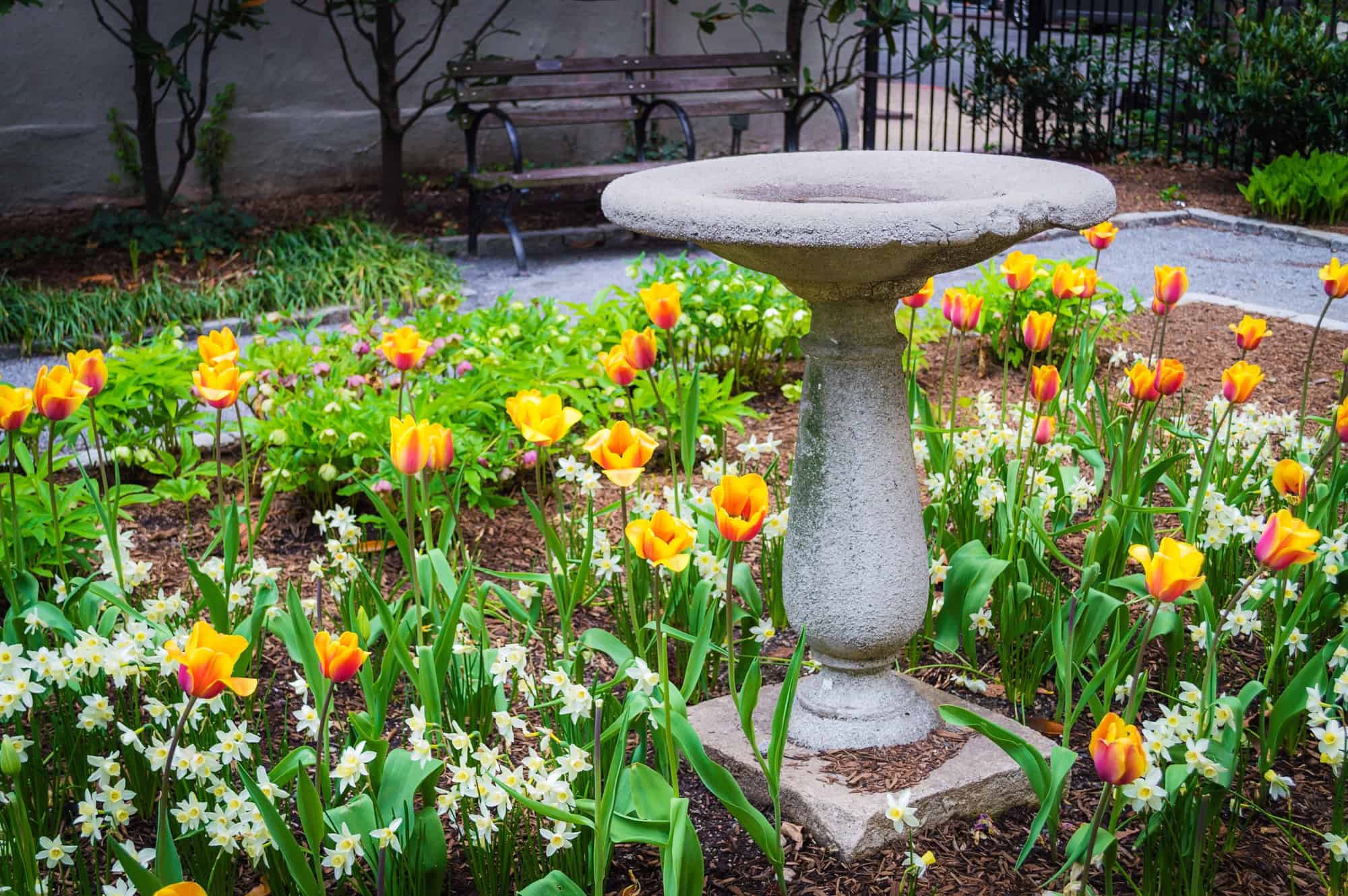
Small backyard birds, nuthatches included, bathe and drink best in shallow water. A basin 1 to 2 inches deep, shallower at the edges, lets them stand without being in over their heads. A rough surface such as concrete, stone or unglazed terra cotta gives their feet a grip. If you already own a deep or glazed bowl, add a flat stone or some gravel to create a shallow standing area. Change the water every few days so it stays clean and does not breed mosquitoes.
4. Spraying insecticides on trees and shrubs
Nuthatches eat seeds and nuts, especially in winter, but insects are a large part of their diet. White-breasted nuthatches take weevil and wood-boring beetle larvae, caterpillars, scale insects, ants and spiders from bark and branches. Broad sprays on trees and shrubs remove that food during nesting season, when parents are feeding young. A few tent caterpillars or chewed leaves are food for birds, not an emergency. If a tree has a real pest problem, ask an arborist about a targeted treatment rather than a blanket spray.
📷 Show us your feeder setup! Share a few photos of your feeders and you might be featured on Wild Bird Scoop. Share your setup →