

Every spring and fall, millions of tiny travelers pass through our neighborhoods, completing incredible journeys that span continents. These migrating birds navigate by starlight, battle exhaustion, and face countless dangers – all while weighing less than your morning newspaper.

The Camera Feeder We Use In Our Own Backyard
See Today's PriceHere’s how your yard can become their life-saving sanctuary along the way.
Save this article for later so you don't lose it. Enter your email and I'll send it to you now—plus you'll get my favorite backyard birding tips delivered to your inbox.
Native Cherries, Plums, and Berry Bushes

Depending on where you live, native cherries, plums, and crabapples are just some fruits that might provide food sources for you and your feathered friends. And, of course, there are plenty of native berry bushes and cane fruits to consider growing depending on the conditions where you live.
There may well be numerous berries and fruits ripening on native plants in your area – and there are plenty – both those we ourselves eat and those we do not – that will be an attractive food source for birds at this time of year.
Turn Off Night Lights on Migration Paths
Street lights at night in big cities can cause bird fatalities by disorientating birds, causing them to waste energy and collide with buildings, especially on their migration paths. Migrating wild birds often become disoriented by artificial building light, wasting energy and sometimes colliding with buildings.
Turning off your indoor and outdoor lighting at night is one way you can help birds as they move through your area.
Birds Come to the Sound of Moving Water

Anything that creates the sound of water will work as a magnet as birds are attracted to water because, just as we do, they depend on it for survival. Of course, birds need water to drink, and for bathing.
But many birds are also attracted to water due to the insect life it attracts. And many species will also be drawn to a space by the sounds of running or moving water.
Leaf Litter Left Alone

Those fallen leaves aren’t a mess – they’re a migrant bird’s treasure hunt. Thrushes, sparrows, and towhees find crucial protein-rich insects among the decomposing leaves.
Think of it as nature’s original fast-food joint, no raking required.
Spider Silk Holds Hummingbird Nests Together

Flowers also provide an ideal location for spiders to spin their webs. This is a double bonus for attracting Hummingbirds.
They will eat the spiders and then use the spider’s web to build their nests. Spider web provides the glue to keep the nesting material collected by the female Hummer together.
She will weave the spider silk into the nest material to hold it all together.
Leave a Safe Dead Tree Standing

Dead trees or tree trunks create a snag. That may not sound very attractive to the average homeowner, but it is beneficial to have in your yard for wildlife.
Get our free Hummingbird Attraction Guide! Plus, we'll send you our best tips for attracting more birds to your yard.
If you can safely leave a few dead trees in your yard (or in the woods near your yard), do it! These dead trees and branches provide important habitats, security, and food to woodpeckers.
Keep Cats Indoors or on a Leash

If you own a cat, keep it inside or on a leash. While most damage is caused by community or feral cats, you can still do your part to control your cat and protect the birds in your yard.
The best, safest, and in many municipalities, most lawful method of keeping birds safe from cat attacks is to keep cats indoors and provide a protected outside area for cats to enjoy the outdoors in. Birds and small mammals will likely stay away and find their food and homes in someone else’s yard if they can avoid a yard with a backyard cat.
Screens and Decals on the Glass

Stopping collisions may be as simple as putting screens on your windows. The Cornell Lab of Ornithology emphasizes that it’s important to cover the entire window and have screens on the outside of your windows, however.
You can reduce the number of birds hitting your windows by taking simple preventative measures like moving interior plants away from your windows, repositioning your feeders, and installing window decals, screens, or two-way film.
Skip the Fertilizers and Pesticides

Create an insect-friendly garden by avoiding chemical fertilizers, weed-killers, and pesticides. These chemicals impact your insect population, reducing the likelihood that you will bring hummingbirds to your home.
Dense Shrub Clusters

Tightly clustered shrubs create instant emergency shelter for migrants caught in bad weather. These living umbrellas can mean the difference between life and death during sudden storms.
Think of them as nature’s version of highway rest stop shelters.
Fruit Trees Feed More Than Seed-Eaters

Plant trees—deciduous or evergreen, of different sizes and forms, including fruit or nut trees that provide food. You might not think you have space for a tree, but there are varieties and forms suited to even the smallest of spaces.
Trees not only provide perches, shelter, nesting, and brooding spots for birds, and potentially fruits or nuts. Indeed, they also attract insects that many birds like to eat, and support a huge range of life.
To add biodiversity to your space, trees are often the best way to go. The best way to provide plums for wild birds is by growing a plum tree, or plum trees, in your garden and remaining relaxed about birds pecking the ripe fruit before you get to them.
A Small Wildflower Meadow Still Works

Perhaps the very best habitat to attract and support hummingbirds is a wildflower meadow. Even if you only have a small backyard, planting a small area of wildflowers can do wonders for native birds, as well as insects, amphibians, reptiles, and mammals.
A great way to establish a wildflower meadow is to sow seeds on bare ground on poor-quality soil. In these conditions, wildflowers are likely to outcompete grasses and bloom heavily.
Dawn to Dusk Dining

Different migrants feed at different times, so keeping feeders stocked from early morning to evening ensures everyone gets a meal. Early warblers catch the morning shift, while thrushes prefer dining at dusk.
It’s like running a 24-hour diner for feathered travelers.
A Quiet Brushy Corner for Timid Birds

Suet feeders should be placed in a quiet spot, away from other busy feeders and areas busy with human activity. Too many avian visitors and too much ‘traffic’ can put off some more timid suet-eating birds.
Because wrens are chiefly insectivores, Minnesota residents can encourage wrens to visit their backyards by refraining from using pesticides. A quiet, brushy corner of the garden where weeds are allowed to grow will go a long way to encouraging these delightful birds to grace your home.
Rain Gardens and Layered Planting
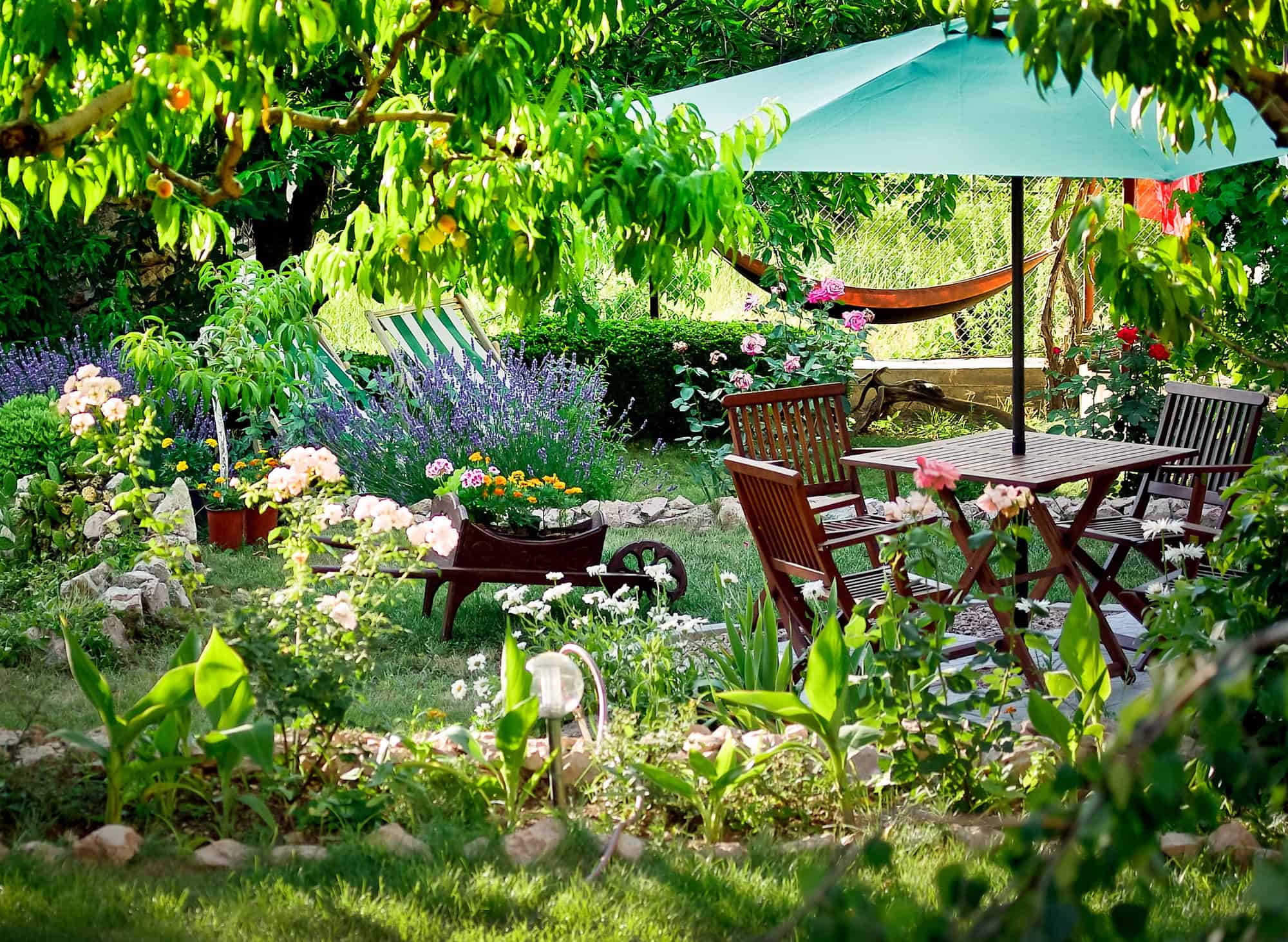
It is a great idea to replace lawns or other ecologically barren garden schemes with rich, diverse, and layered planting to create wonderful habitats for hummingbirds and other wildlife to enjoy. Forest gardens, rain gardens, and wildflower meadows are just some eco-friendly garden schemes to consider.
You can combine these plants in various ways to attract hummingbirds and other beneficial wildlife to your space: in food forests, native hedgerows, rain gardens, and more. Including such eco-friendly habitats in your garden is a wonderful way to care for the natural world around you – and you’ll be rewarded with plenty of great birdwatching opportunities.
Yard stops that help migrants
| Spec | What our writers say |
|---|---|
| Native fruit | Cherries, plums, crabapples, and berry bushes suited to where you live |
| Night lights | Street lights disorient migrants and send them into buildings |
| What to do | Turn off indoor and outdoor lighting at night |
| Water | Birds come to the sound of running or moving water |
| Spider silk | Female hummingbirds weave it into the nest as glue |
| Dead trees | Leave them if they will not fall on people or property |
| Cats | Keep them inside, on a leash, or in a protected outdoor run |
| Windows | Outside screens that cover the entire pane |
| Chemicals | Avoid chemical fertilizers, weed-killers, and pesticides |
| Meadow start | Sow wildflower seed on bare, poor soil |
| Quiet corner | A brushy, low-traffic spot away from busy feeders |
📷 Show us your feeder setup! Share a few photos of your feeders and you might be featured on Wild Bird Scoop. Share your setup →





