Remember when that first woodpecker showed up in your yard? It was like receiving nature’s seal of approval.

The Camera Feeder We Use In Our Own Backyard
See Today's PriceNow your trees have become the hottest spot in the neighborhood for these remarkable birds, and it’s no accident. Here’s why these feathered construction crews have chosen your arboreal real estate as their preferred workplace.
Save this article for later so you don't lose it. Enter your email and I'll send it to you now—plus you'll get my favorite backyard birding tips delivered to your inbox.
1. Dead Trees and Stumps Are Where They Hunt Larvae

When it comes to food, pileated woodpeckers love to excavate dead trees and stumps, which are also their preferred nesting places, to find insects like termites and carpenter ants to eat. In addition to insects, pileated woodpeckers love nuts and fruits.
In the spring and summer, a woodpecker will call other woodpeckers with its loud rolling call. If you have a dead tree in your backyard, you might occasionally see this woodpecker foraging for larvae.
2. Carpenter Ants Draw Pileated Woodpeckers to Dying Trees

The large Pileated woodpeckers are one of the most common woodpecker species seen in Iowa. Their diet consists of seeds and nuts, but it’s carpenter ants they enjoy the most.
Unlike other species of woodpeckers, pileated woodpeckers dig rectangle-shaped holes in rotten or dying trees to hunt for carpenter ants and other insects to feed on. Holes left by the pileated species are big enough to break a small tree and often attract other wildlife.
3. Old Oak and Hickory Stands Draw Red-Bellied Woodpeckers
Red-bellied woodpeckers are commonly found in old stands of oak and hickory and/or young hardwoods and pines. Rather than drilling into the surfaces of bark trees, you’ll find them picking at it with their long, 2-inch tongues.
4. That Hollow “Knock Knock” Sound When You Tap the Trunk
That hollow sound that makes you nervous? It’s music to a woodpecker’s ears.
They can detect these acoustic sweet spots better than any arborist, and they know it means easier excavation for nests and food. It’s like they have built-in sonar for finding the perfect spot to call home.
5. Flaked Bark Patches Are a Woodpecker Sign
American three-toed woodpeckers have a characteristic foraging style. They chip sideways at dead or decaying trees flaking off the bark.
Patches of dark outer bark and light inner bark are signs of these woodpeckers’ presence.
6. There’s a Hidden Bug Buffet Under Those Loose Shingles
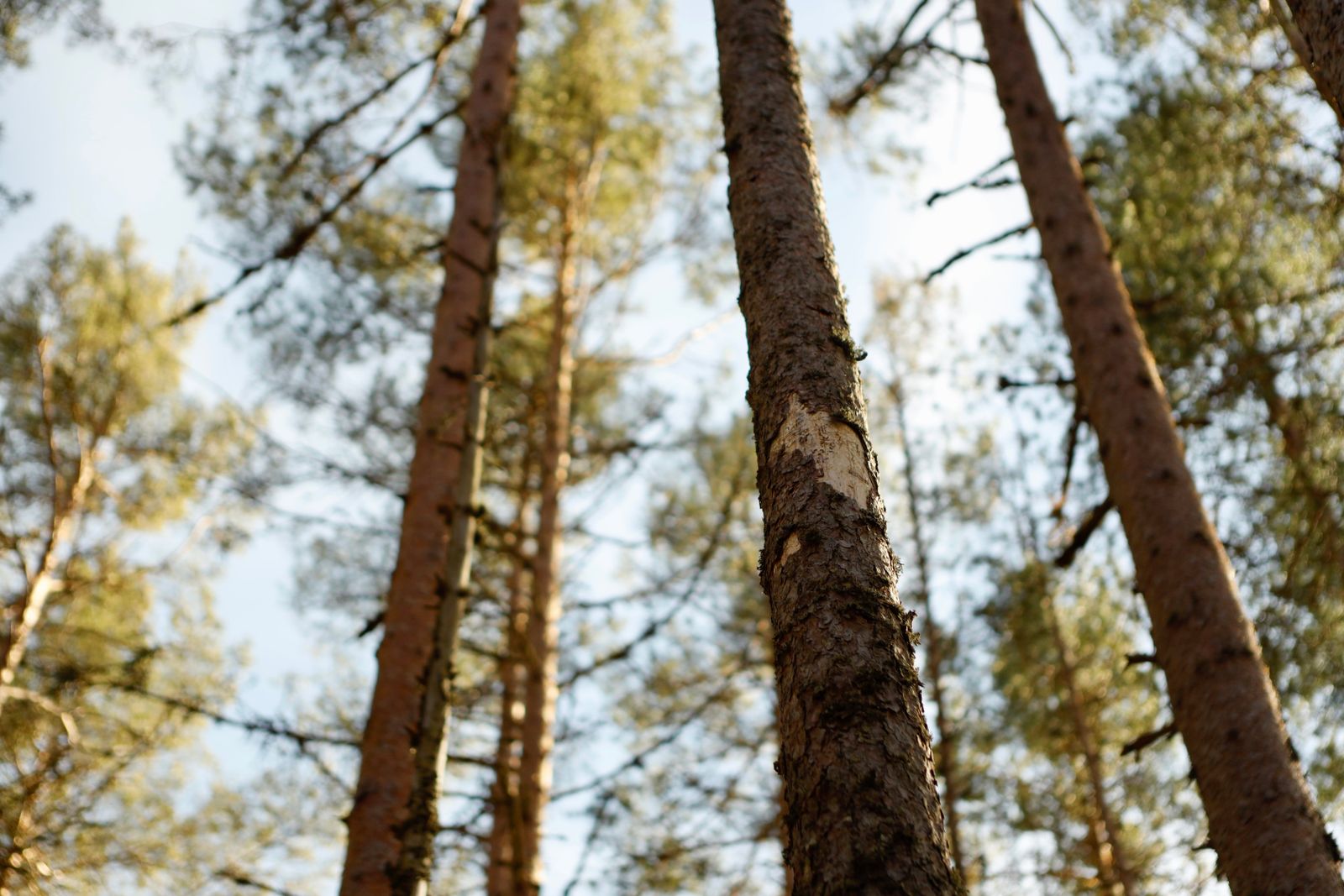
Those sections of bark peeling away from the trunk? They’re like nature’s version of lifting old wallpaper – there’s always something interesting underneath.
Get our free Hummingbird Attraction Guide! Plus, we'll send you our best tips for attracting more birds to your yard.
Woodpeckers know these spots hide countless insects and their larvae, making them the equivalent of an all-you-can-eat breakfast bar.
7. Your Trees Still Have Battle Scars from That ’98 Ice Storm
Those old damage spots from winters past aren’t just memories – they’re prime real estate for woodpeckers. These weathered wounds create perfect entry points for insects, which in turn attract our feathered friends.
It’s nature’s way of turning lemons into lemonade, or in this case, storm damage into bird habitat.
8. Neat Rows of Sap Wells Mark a Sapsucker Tree
A sure sign that these birds are in the area are the “sap wells” they “drill” in tree bark. They revisit these “wells” frequently to drink the sugary sap and consume any bugs caught in the sticky sap.
The sap wells are often “drilled” in neat rows around the trunks of the trees. Sapsuckers are found in both hardwood and conifer forests.
To locate a yellow-bellied sapsucker, just keep an eye out for the sap wells; you’ll find the holes either in line with older holes or in new lines.
9. That One Branch Sounds Like Your Old Screen Door
When a branch makes that distinctive creaky sound in the wind, it’s often a sign of internal decay – and woodpeckers know it. That same sound that reminds you of summer evenings on the porch tells them there’s a potential cavity nest site in the making.
It’s like they can hear the “vacancy” sign squeaking in the breeze.
10. The Fungus Growing at the Base is Actually a Good Sign
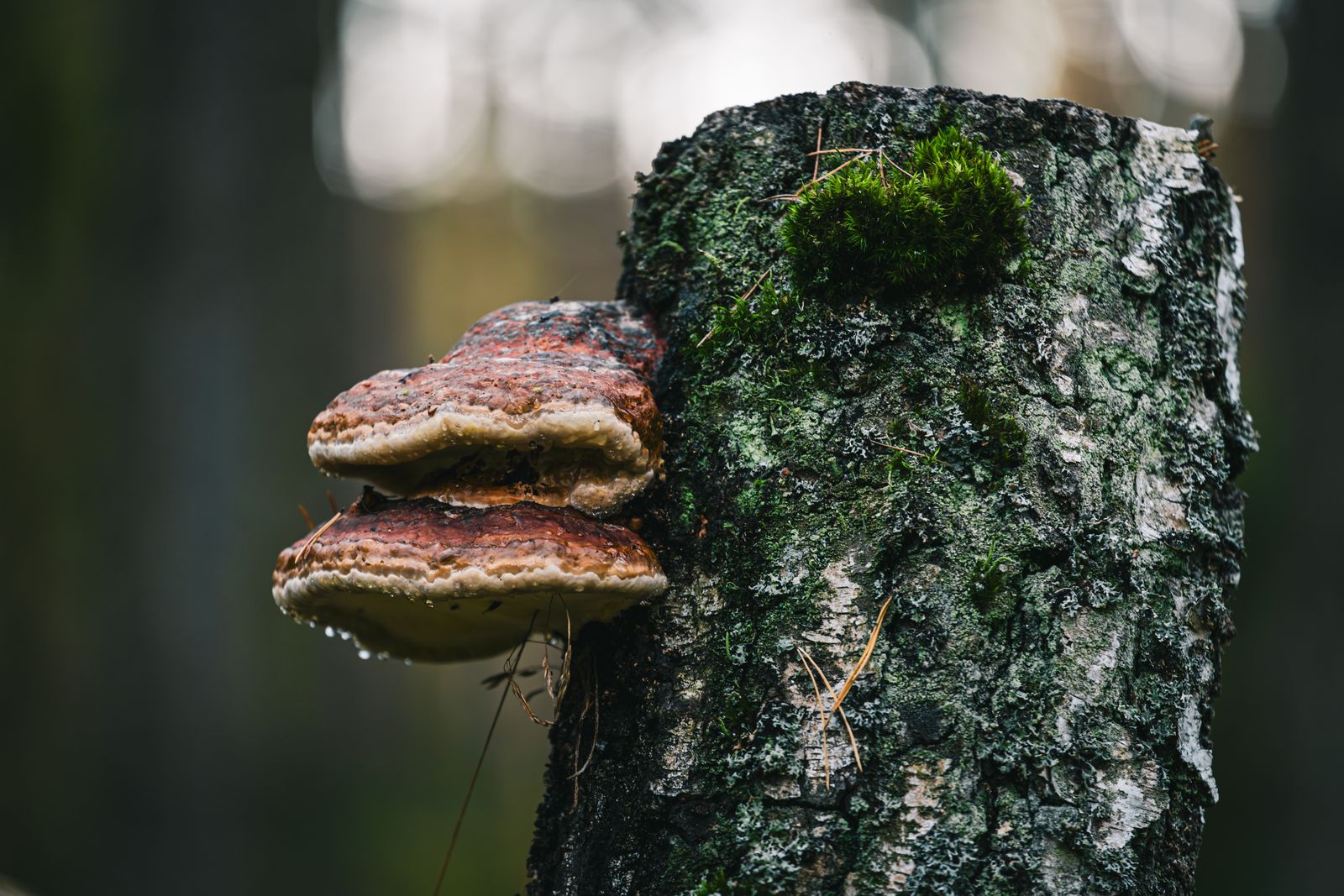
Those mushrooms at the tree’s base might worry you, but to woodpeckers, they’re like a “Now Leasing” sign. Fungal growth often indicates softening wood inside, making it perfect for excavating new homes.
It’s nature’s way of putting out the welcome mat for these feathered carpenters.
11. Your Neighbor’s New Steel Pole Feeders Can’t Compete

While your neighbor’s fancy new feeding station might attract some birds, your natural wooden wonderland offers what woodpeckers really want – an authentic dining experience. It’s like choosing between a fast-food joint and a home-cooked meal.
The birds know which one has more character.
12. The Lightning Strike from ’05 Left the Perfect Entrance
That old lightning scar running down your maple isn’t just a conversation piece – it’s prime woodpecker property. These natural splits in the wood create perfect starting points for cavity excavation, like nature’s own pre-drilled pilot hole.
What was once storm damage has become valuable avian real estate.
13. Peeling Bark Strips Are How Some Woodpeckers Forage
Some inky-black woodpeckers are found more in the Northern Boreal forests, especially in recently burned or damaged areas. These woodpeckers typically forage for food by peeling off strips of bark from dead trees or fallen logs, but it will also eat insects as they fly through the air or from live trees.
14. The Branch Heights Match Their Preferred “Parking Spots”

Your tree’s branch arrangement is like a perfect apartment complex for woodpeckers, with different species preferring different heights. Downy woodpeckers love the lower levels, while Pileated woodpeckers claim the penthouse suite up top.
It’s nature’s version of a multi-story bird condo, and everyone knows their place.
Tree features woodpeckers actually use
| Spec | What our writers say |
|---|---|
| Dead-tree food | Pileated woodpeckers excavate dead trees and stumps for termites and carpenter ants |
| Backyard dead tree | You might see a woodpecker foraging for larvae in a dead tree |
| Favorite prey | Carpenter ants are what pileated woodpeckers enjoy the most |
| Hole shape | Pileated woodpeckers dig rectangle-shaped holes in rotten or dying trees |
| Oak stands | Red-bellied woodpeckers are commonly found in old stands of oak and hickory |
| Bark sign | Patches of dark outer bark and light inner bark mark three-toed woodpecker foraging |
| Sap wells | Often drilled in neat rows around the trunks of hardwood and conifer trees |
| How to find a sapsucker | Holes either in line with older holes or in new lines |
📷 Show us your feeder setup! Share a few photos of your feeders and you might be featured on Wild Bird Scoop. Share your setup →