


The traditional image of a gardener hunched over with a trowel, digging deep into the soil, is getting a dramatic makeover this year. Master gardeners across the country are literally turning conventional wisdom upside down with a technique known as “reverse planting” or “top-down gardening.” And while it might sound counterintuitive, this revolutionary approach is showing promising results for both home gardens and the environment.

Bring Woodpeckers & Nuthatches To Your Yard
Check PriceThe New Way to Grow: Less Digging, More Stacking
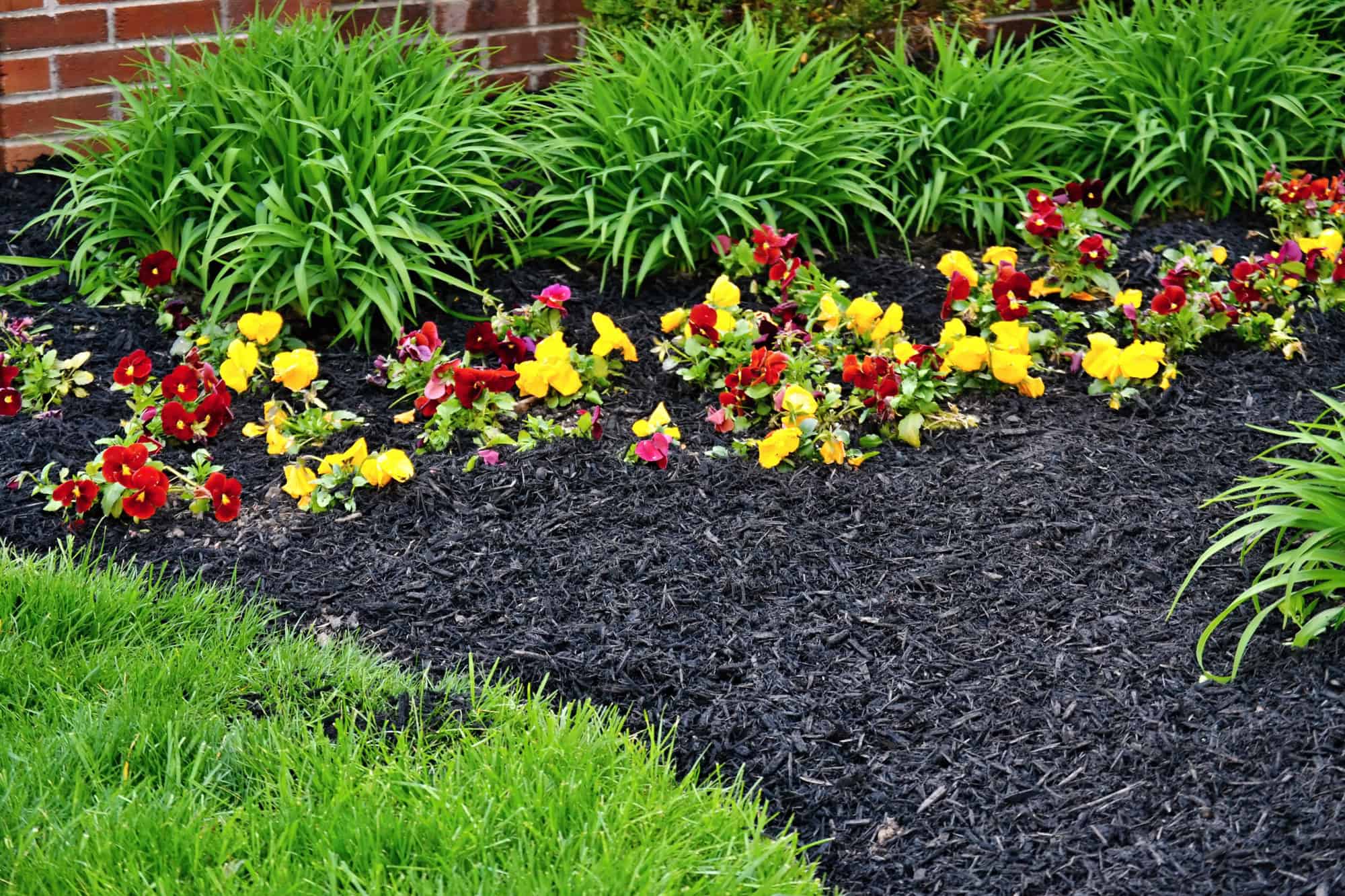
If you’ve ever watched a forest grow, you’ve seen nature’s perfect gardening technique in action. Trees don’t need someone to dig holes for their seedlings – instead, they let leaves and organic matter accumulate naturally, creating rich, living soil from the top down. According to The Garden Continuum, this natural process is exactly what the reverse planting method aims to mimic.
Save this article for later so you don't lose it. Enter your email and I'll send it to you now—plus you'll get my favorite backyard birding tips delivered to your inbox.
“We’re finally learning to work with nature rather than against it,” explains Sarah Chen, a Master Gardener I spoke with in Seattle. “Instead of disturbing the soil structure by digging down, we’re building up layers of organic material and letting the soil ecosystem do what it does best.”
Why Traditional Planting Methods Are Getting a Second Look
The timing of this shift isn’t coincidental. Green America reports that traditional tilling and digging can release stored carbon from the soil into the atmosphere, contributing to climate change. Moreover, repeatedly disturbing soil structure can damage the intricate network of fungal threads and beneficial microorganisms that help plants thrive.
Traditional planting methods can also:
Get our free Hummingbird Attraction Guide! Plus, we'll send you our best tips for attracting more birds to your yard.
- Disrupt essential soil layers that have taken years to develop
- Bring dormant weed seeds to the surface where they can germinate
- Create a hardpan layer below the digging depth
- Increase water runoff and erosion
How Reverse Planting Actually Works
Instead of digging holes for plants, gardeners using this method start by placing plants directly on existing soil, then building up around them with layers of organic material. Think of it as creating a lasagna of nutrients, with each layer serving a specific purpose:
- A base layer of cardboard or newspaper to smother existing grass or weeds
- A thick layer of compost or aged manure
- The plant itself, placed on top
- A mixture of topsoil and compost built up around the plant’s root ball
- A final mulch layer to retain moisture and continue feeding the soil
“The most surprising thing for many gardeners is how quickly plants establish themselves,” says Chen. “Roots naturally grow downward through these nutrient-rich layers, creating stronger, more resilient plants.”
The Benefits Beyond Your Garden
This backwards approach to planting is part of a larger movement toward regenerative gardening practices. The benefits extend far beyond just healthy plants:
- Improved water retention and reduced irrigation needs
- Enhanced carbon sequestration in the soil
- Better habitat for beneficial insects and soil organisms
- Reduced back strain from less digging
- Natural weed suppression
- Healthier soil structure that improves year after year
Making the Switch in Your Own Garden
If you’re intrigued by this method, start small. Convert one bed or garden area using the reverse planting technique and compare it with your traditional plantings. Fall is an ideal time to begin, as the winter months give the layers time to settle and begin decomposing before spring growth.
Remember that this isn’t just about placing plants on top of the ground – it’s about creating an environment where soil life can flourish. As more gardeners adopt this method, we may be witnessing a fundamental shift in how we approach cultivating plants – one that’s better for our backs, our gardens, and our planet.
The next time you reach for your shovel, consider taking a step back and thinking forward by planting backwards. Your garden (and the earth) might thank you for it.
📷 Show us your feeder setup! Share a few photos of your feeders and you might be featured on Wild Bird Scoop. Share your setup →





