


Every autumn, millions of homeowners grab their rakes and start the annual battle against falling leaves. But what if I told you that those leaves scattered across your yard aren’t garden debris – they’re the foundation of a thriving ecosystem that could transform your garden forever?
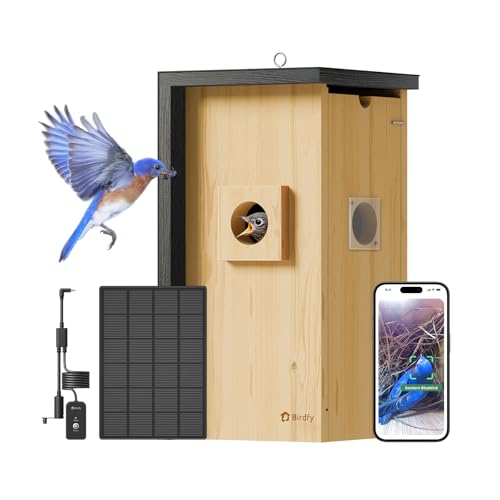
Birdfy Solar Powered Bird House with Camera
Check PriceWhile your neighbors spend weekends stuffing leaves into bags, you could be creating a wildlife haven that works year-round. That innocent-looking pile of maple and oak leaves is actually a bustling underground city housing beneficial insects, soil-building microorganisms, and the very creatures that keep your garden healthy.
Save this article for later so you don't lose it. Enter your email and I'll send it to you now—plus you'll get my favorite backyard birding tips delivered to your inbox.
The Hidden World Living in Your Leaves
Scientists have discovered that a single cubic foot of leaf litter can house over 1,000 individual organisms. Luna moth caterpillars curl up inside fallen leaves to pupate through winter. Beneficial ground beetles that devour slug eggs make their homes beneath the leafy layer. Even tiny salamanders – nature’s mosquito control specialists – depend on moist leaf cover for survival.
These aren’t just random bugs hiding out. They’re your garden’s workforce. The beetles alone can eliminate thousands of pest eggs before spring arrives. The salamanders consume mosquito larvae that would otherwise plague your summer evenings. And those seemingly dead leaves? They’re being processed by countless microorganisms that will release nutrients directly to your plant roots.
Nature’s Perfect Insulation System
Leaves create a natural blanket system that’s more sophisticated than any mulch you can buy. The top layer catches rain and snow, allowing moisture to penetrate slowly instead of running off. Below that, partially decomposed leaves maintain steady temperatures even when surface conditions swing wildly.
This temperature buffer zone is crucial for overwintering beneficial insects. Native bees nest in hollow plant stems, relying on leaf litter to moderate freezing temperatures. Remove the leaves, and you lose next year’s free pollination service. Queen bumblebees literally burrow into loose leaf piles to survive winter. No leaves equals no bees for your vegetable garden come spring.
The Butterfly Connection Most People Miss
Here’s something that will change how you see every fallen leaf: 94% of moth and butterfly caterpillars can only survive on native plants, and many complete their life cycle in the leaf litter below those plants. When you rake up those leaves, you’re essentially destroying butterfly nurseries.
Get our free Hummingbird Attraction Guide! Plus, we'll send you our best tips for attracting more birds to your yard.
The woolly bear caterpillars that become Isabella tiger moths spend winter curled up under leaves. Those chunky caterpillars you see crossing sidewalks in fall? They’re searching for leaf piles to hide in until spring. Provide that habitat, and you’ll have adult moths pollinating your night-blooming plants next summer.
Smart Strategies for Leaf Management
You don’t have to choose between wildlife habitat and an attractive yard. The key is strategic placement. Create designated wildlife areas where leaves can accumulate naturally – under shrubs, around tree bases, or in back corner flower beds where neighbors won’t complain.
For high-visibility areas, try the ‘rough chop’ method. Run your mower over fallen leaves once to break them into smaller pieces. These chopped leaves still provide wildlife habitat but look more intentional and tidy. They’ll also break down faster, feeding your soil more quickly.
Working with HOA Rules and Neighbor Expectations
Living in a neighborhood with strict landscaping rules? Focus on creating leaf habitat in less visible areas. The space behind your garage, underneath evergreen trees, or in foundation plantings can become wildlife sanctuaries without triggering complaints.
Consider the ‘selective cleanup’ approach. Rake leaves off your lawn but leave them in flower beds and under trees. This compromise keeps your grass visible while maintaining critical wildlife habitat where it matters most. Most neighbors won’t even notice leaves mixed in with perennial borders.
Timing Your Cleanup for Maximum Benefit
If you must remove some leaves, timing matters enormously. Wait until daytime temperatures consistently hit 50 degrees Fahrenheit before disturbing leaf piles. This ensures that overwintering beneficial insects have entered deep dormancy and won’t be disrupted by your activity.
Never remove all leaves at once. Leave at least 30% of your leaf litter undisturbed until late spring. This provides continuous habitat for creatures that emerge at different times. Some beneficial insects don’t become active until soil temperatures warm significantly in May.
The Soil Building Bonus
Beyond wildlife habitat, leaves are creating next year’s garden gold. As they decompose, fallen leaves release the exact nutrients that the trees above them need. Oak leaves provide tannic acids that improve soil structure. Maple leaves break down into rich organic matter that holds moisture during summer droughts.
This natural fertilizer system means less work and expense for you. Gardens with consistent leaf mulch require 40% less supplemental watering and rarely need commercial fertilizers. The earthworms that process decomposing leaves also create natural soil aeration, eliminating the need for mechanical tilling.
This autumn, before you reach for those yard bags, remember that what looks like garden cleanup to you is habitat destruction to hundreds of beneficial creatures. By leaving the leaves, you’re not being lazy – you’re being brilliant. You’re working with natural systems that have sustained wildlife for millions of years, creating a garden that’s more resilient, more beautiful, and more alive than any perfectly manicured landscape could ever be.