

You’ve done everything right. You bought the high-end feeders, the premium seed, and created a backyard paradise that should be on the cover of a magazine. Yet, your yard is a ghost town, while your neighbor with one rusty feeder is hosting a party for cardinals, finches, and blue jays. What gives? It turns out, your pristine, human-approved setup might be the very thing scaring them away. The secret to a lively bird sanctuary often lies in making one simple change you’d never expect. Read on to discover the common mistakes that are turning your yard into a no-fly zone.
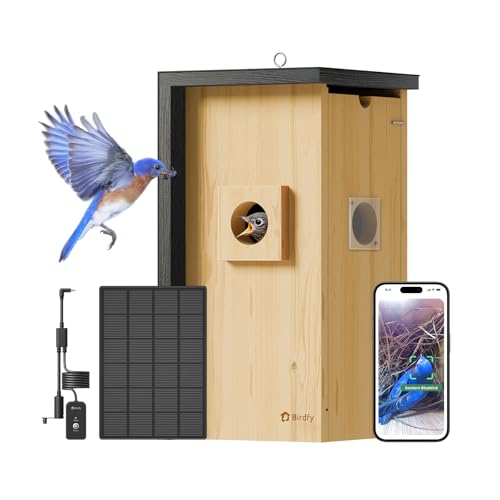
Birdfy Solar Powered Bird House with Camera
Check Price1. Your Feeders Are “Too Clean” and Smell Like Chemicals

A spotless feeder scrubbed with bleach might seem hygienic, but to a bird, it can smell like a hospital. Birds have a surprisingly good sense of smell and are wary of anything that reeks of harsh chemicals. These scents signal danger, not cleanliness. While it’s crucial to clean feeders regularly to prevent mold and disease, skip the bleach. A simple solution of one part white vinegar to nine parts water is all you need to keep it safe without driving birds away.
Save this article for later so you don't lose it. Enter your email and I'll send it to you now—plus you'll get my favorite backyard birding tips delivered to your inbox.
2. That Brand-New Feeder Still Has a Factory Smell

A feeder fresh from the store is coated in manufacturing oils, plastic odors, and packaging residues. To a bird’s sensitive nose, this screams “ARTIFICIAL!” They need time to see a new object as a safe part of the environment. Before hanging a new feeder, wash it with a mild, unscented soap, rinse it thoroughly, and let it air out for a few days. This helps it lose that “new feeder smell” and develop a more natural, inviting presence.
3. You Refill Feeders on Your Schedule, Not Theirs

Filling your feeders every Sunday afternoon might fit your routine, but birds operate on their own clock. Their peak feeding times are early morning and late afternoon, when they are fueling up for the day or stocking up before dusk. If your feeders are empty during these rush hours, birds will learn to look elsewhere. Try to refill them in the evening or first thing in the morning to ensure a reliable food source when they need it most.
4. Your Yard Is Too Quiet and Lacks Natural Cover

A perfectly silent yard feels dangerous to birds. They rely on ambient sounds like rustling leaves or trickling water to mask the noise they make while eating, which could attract predators. A silent space makes them feel exposed and vulnerable. You can create a more secure environment by adding a small water fountain, planting native grasses that rustle in the breeze, or even keeping a “messy” corner with a brush pile for shelter.
5. The Neighborhood Cat Has Your Yard on Its Route

You may not see them, but birds know when a cat has been nearby. Outdoor cats are a major threat, and their presence—even just their lingering scent—is enough to convince birds that your yard is a death trap. If neighborhood cats patrol your property, birds will avoid it. Consider using motion-activated sprinklers or other humane deterrents to make your yard a less appealing hunting ground.
6. Your Feeders Are Lined Up Like a Fast-Food Drive-Thru

Hanging feeders in a neat, straight line might look tidy, but it can create conflict. Dominant birds can guard the entire line, chasing smaller birds away. It also limits escape routes, making birds feel trapped. A better approach is to scatter feeders at different heights and locations. This creates a more natural “buffet” that reduces competition and gives birds plenty of space and exit strategies.
Get our free Hummingbird Attraction Guide! Plus, we'll send you our best tips for attracting more birds to your yard.
7. You Chose Feeder Colors That Look Unnatural

While some birds, like hummingbirds, are drawn to bright colors like red, many other species are wary of them. Bright, fluorescent colors can look artificial and may even signal danger. For general seed feeders, choose models in muted, earthy tones like green, brown, or gray. These colors blend into the natural environment, helping the feeder look like a safe and reliable food source rather than a strange, new object.
8. Your Birdbath Is a Swimming Pool, Not a Spa

That beautiful, deep birdbath might look elegant, but it’s terrifying for small songbirds. They need shallow water—no more than one to two inches deep—so they can drink and bathe without the risk of drowning. If your birdbath is too deep, you can easily fix it. Simply add a layer of pebbles, stones, or a large, flat rock to create a safe, shallow wading area.
9. Your “Premium” Seed Is Actually Stale Leftovers

Birdseed doesn’t last forever. That giant bag you bought last year has likely lost its nutritional value. The oils in the seeds can go rancid, making them unappealing and unhealthy for birds. They can tell the difference between fresh, nutrient-rich seeds and stale, dried-out ones. Buy seed in smaller quantities that you can use within a few months, and store it in a cool, dry, airtight container.
10. Your Windows Create a Dangerous Illusion

Clean, reflective windows are a major hazard. They mirror the sky and trees, tricking birds into thinking they have a clear flight path. After a collision, even if it’s not fatal, birds will learn that the area around your house is unsafe. You can easily break up these reflections by adding window decals, screens, or even just drawing patterns with a bar of soap on the outside of the glass.
11. You Clean Up Spilled Seed Too Quickly

Your desire to keep the ground under your feeders tidy is actually removing a vital food source for many birds. Species like juncos, doves, and towhees are ground-foragers that prefer to eat spilled seeds rather than perch on a feeder. Letting some seed accumulate on the ground isn’t messy—it’s creating a second dining area that serves a whole different group of birds.
12. Your Yard Is Too Perfect and Manicured

A perfectly manicured lawn with no “messy” corners looks like a desert to birds. They need shelter, nesting materials, and places to hunt for insects. A simple brush pile, a corner with fallen leaves, or a patch of unmowed native grass provides the cover and foraging opportunities that make birds feel safe enough to visit your feeders. A little bit of wildness is exactly what birds are looking for.
Frequently Asked Questions About Attracting Birds
1. How long does it take for birds to find a new feeder?
Patience is key! It can take anywhere from a few days to a few weeks for birds to discover and trust a new feeder. Birds are creatures of habit and can be wary of new objects in their territory. To speed up the process, try sprinkling some seeds on top of the feeder or on the ground nearby to catch their attention.
2. How do I keep squirrels away from my bird feeders?
The squirrel battle is a classic one. Here are a few effective strategies:
- Use a Baffle: A dome- or cylinder-shaped baffle placed on the pole above or below the feeder can prevent squirrels from climbing up or jumping down to it.
- Choose the Right Seed: Squirrels are not fond of safflower seed or Nyjer seed, but many songbirds love them.
- Add Some Spice: Birds are not affected by capsaicin (the compound that makes chili peppers hot), but mammals are. Mixing a small amount of pure cayenne pepper or commercially available bird seed with capsaicin into your seed mix can deter squirrels.
- Strategic Placement: Place feeders at least 10 feet away from any trees, fences, or structures from which a squirrel could jump.
3. What should I do about bigger, aggressive birds like grackles or starlings bullying smaller birds?
Larger birds can dominate feeders and scare away smaller species. To create a more balanced environment, try using weight-activated feeders that close under the weight of a heavy bird. You can also use feeders with cages or screens around them that only allow smaller birds to pass through. Offering different types of feeders and seeds in various locations can also help spread the birds out and reduce competition.
4. Is it okay to feed birds bread or other kitchen scraps?
While birds might eat bread, it’s considered “junk food” for them. It offers very little nutritional value and can even be harmful if it gets moldy. It’s best to avoid bread, crackers, and other processed foods. However, some kitchen scraps are safe and healthy for birds in moderation, such as unsalted nuts, apple slices, and plain cooked rice.
5. Do I need to feed birds all year round?
You don’t have to, but it can be very helpful. Providing food during the harsh winter months is crucial when natural food sources are scarce. In the spring and summer, feeders can supplement the diets of busy parents feeding their young. If you decide to stop feeding, it’s best to do so gradually. Birds are resourceful and will find other food sources, but they will certainly appreciate the consistent help if you choose to provide it year-round.