

As someone who’s been tending to hummingbird gardens for a long time, I’ve learned that these enchanting spaces can harbor some unexpected hazards. While we all love creating these magical havens for our tiny feathered friends, it’s crucial to be aware of potential dangers that might be lurking in your garden. Here are some hidden risks that every hummingbird enthusiast should know about.
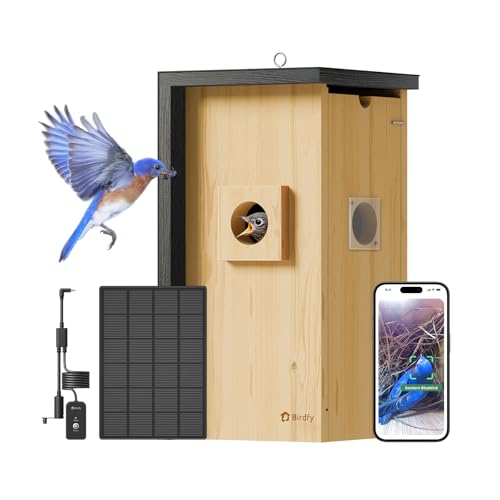
Birdfy Solar Powered Bird House with Camera
Check Price1. Pesticide-Laced Nectar Sources

Those beautiful nursery plants might be harboring a deadly secret. Many commercial growers treat their plants with neonicotinoid pesticides that remain in the nectar for months. These chemicals can be lethal to hummingbirds, affecting their nervous systems and navigation abilities. Always purchase organic plants or grow from untreated seeds to ensure your garden isn’t accidentally poisoning its visitors.
Save this article for later so you don't lose it. Enter your email and I'll send it to you now—plus you'll get my favorite backyard birding tips delivered to your inbox.
2. Contaminated Feeders

A dirty feeder can quickly become a death trap. Fermented nectar and black mold can develop in as little as two days during hot weather, causing fatal fungal infections in hummingbirds. I’ve seen too many well-meaning gardeners forget to clean their feeders regularly, not realizing they’re putting their beloved visitors at risk.
3. Deadly Window Collisions

Placing feeders too close to windows creates a serious collision hazard. These tiny speedsters can reach up to 30 mph in flight, and a window impact at that speed is often fatal. Position your feeders either within three feet of windows (so they can’t build up speed) or more than 30 feet away to give them time to recognize and avoid the glass.
4. Artificial Dye Dangers

Those bright red commercial nectar mixes might look pretty, but they can be harmful to hummingbirds. Artificial dyes have been linked to various health issues in these delicate creatures. Stick to a simple solution of four parts water to one part white sugar – it’s all they need, and it’s what Mother Nature intended.
Get our free Hummingbird Attraction Guide! Plus, we'll send you our best tips for attracting more birds to your yard.
5. Predator Perches

Poorly placed feeding stations can create perfect hunting spots for cats, hawks, and other predators. Ensure your feeders and favorite flower patches aren’t positioned near spots where predators can hide and ambush. Keep cats indoors and remove perches that give aerial predators an advantage near feeding areas.
6. Toxic Plant Choices

Not all nectar-producing plants are safe for hummingbirds. Some ornamental plants like angel’s trumpet and oleander produce toxic nectar that can harm these tiny birds. Research your plant choices carefully and stick to well-known, safe varieties that have been providing natural nectar sources for generations.
7. Spider Web Traps

While hummingbirds use spider silk for nest building, large spider webs near feeders can be deadly traps. Monitor your garden for oversized webs, especially those of black widows or other dangerous spiders. Relocate problematic webs away from high-traffic hummingbird areas while still maintaining some beneficial spider presence.
8. Weather Exposure

Exposed feeding areas can leave hummingbirds vulnerable to harsh weather conditions. Without proper shelter nearby, these tiny birds can struggle during storms or extreme heat. Create protective covers over some feeding areas and ensure there’s adequate natural shelter from surrounding plants.
9. Territorial Aggression Zones

Clustering all your feeders in one area can create dangerous competition zones. Dominant hummingbirds can become extremely aggressive, preventing others from feeding and potentially causing injury. Space your feeding stations throughout your garden to reduce territorial disputes and ensure all visitors have safe access to food.
10. Chemical Cleaning Residue

Using harsh cleaning products on feeders can leave toxic residue that harms hummingbirds. Even small amounts of soap or commercial cleaners can be dangerous to these sensitive creatures. Stick to vinegar or hot water for cleaning, and always rinse thoroughly – just like we did in the old days before all these fancy cleaning products came along.