As a lifelong gardener who’s weathered more than a few droughts, I’ve learned that creating a garden that attracts hummingbirds while conserving water isn’t just possible but a smart approach to modern gardening. Whether you’re dealing with water restrictions or want to be more environmentally conscious, these proven strategies will help you create a drought-resistant paradise that keeps these magical little visitors coming back year after year.

The Camera Feeder We Use In Our Own Backyard
See Today's Price1. Choose Native Drought-Resistant Nectar Plants

If you choose California native plants for your garden, you’ll get drought-resistant and hardy plants for your local growing conditions. They’ll also benefit your local ecosystem while they’re busy attracting hummingbirds to your yard.
Save this article for later so you don't lose it. Enter your email and I'll send it to you now—plus you'll get my favorite backyard birding tips delivered to your inbox.
Win-win! The reason why native sunflowers are excellent options is that they should be well adapted to the environmental conditions in your area.
Native plants are often a water-wise choice and will also help the wildlife that has evolved alongside them to thrive.
2. Implement Smart Mulching Techniques
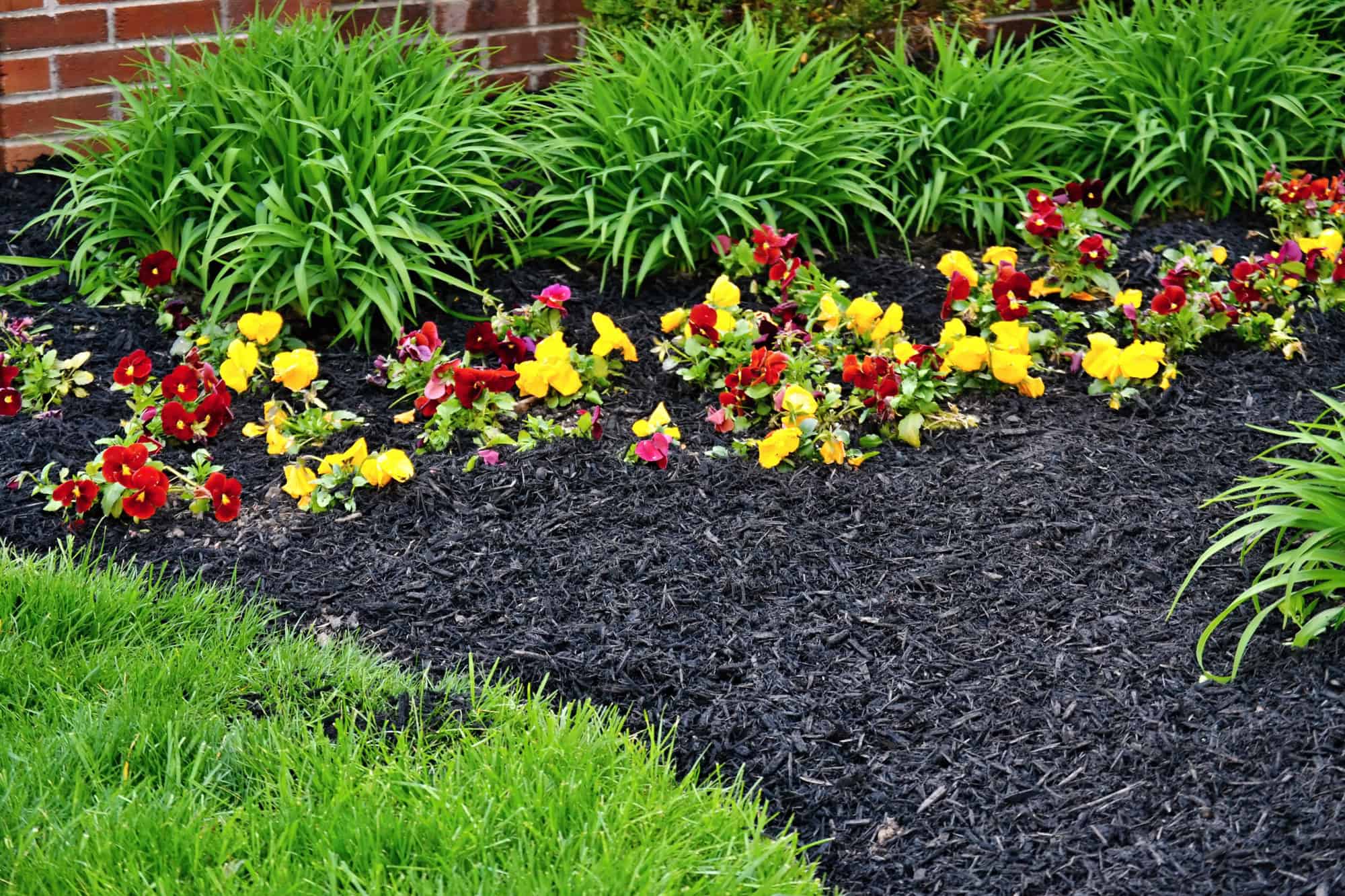
Apply a 2-3 inch layer of organic mulch around your hummingbird-friendly plants to retain moisture and keep roots cool. Use materials like shredded bark, pine needles, or compost, but keep mulch a few inches away from plant stems to prevent rot.
This simple step can reduce water needs by up to 50% while suppressing weeds.
3. Install Efficient Irrigation Systems

Drip irrigation or soaker hoses deliver water directly to plant roots, minimizing waste through evaporation. Set up zones based on plant water needs and use a timer to water during early morning hours.
This targeted approach ensures your hummingbird plants get exactly what they need without overwatering.
4. Create Shade Microclimates

In more mountainous and exposed areas, planting trees and shrubs to create a more sheltered micro-climate and shade can be an excellent idea for hummingbirds in your area. Shade is very important for a hummingbird feeder, and hummingbird-popular plants are often very suitable for growth in the shade.
This is a big bonus to the whole situation as they can still be buddied in the shade. Make sure hummingbirds have proper cover and partial shade.
Make sure to plant a few taller trees or bushes, and that you have an available water source such as a bird bath or small pond.
Get our free Hummingbird Attraction Guide! Plus, we'll send you our best tips for attracting more birds to your yard.
5. Utilize Water-Wise Ground Covers

Plant low-growing, drought-resistant ground covers between your nectar plants to prevent soil moisture loss and reduce weed growth. Options like creeping thyme or sedum create a living mulch that helps maintain soil moisture while adding visual interest to your garden design.
6. Incorporate Rock Garden Elements
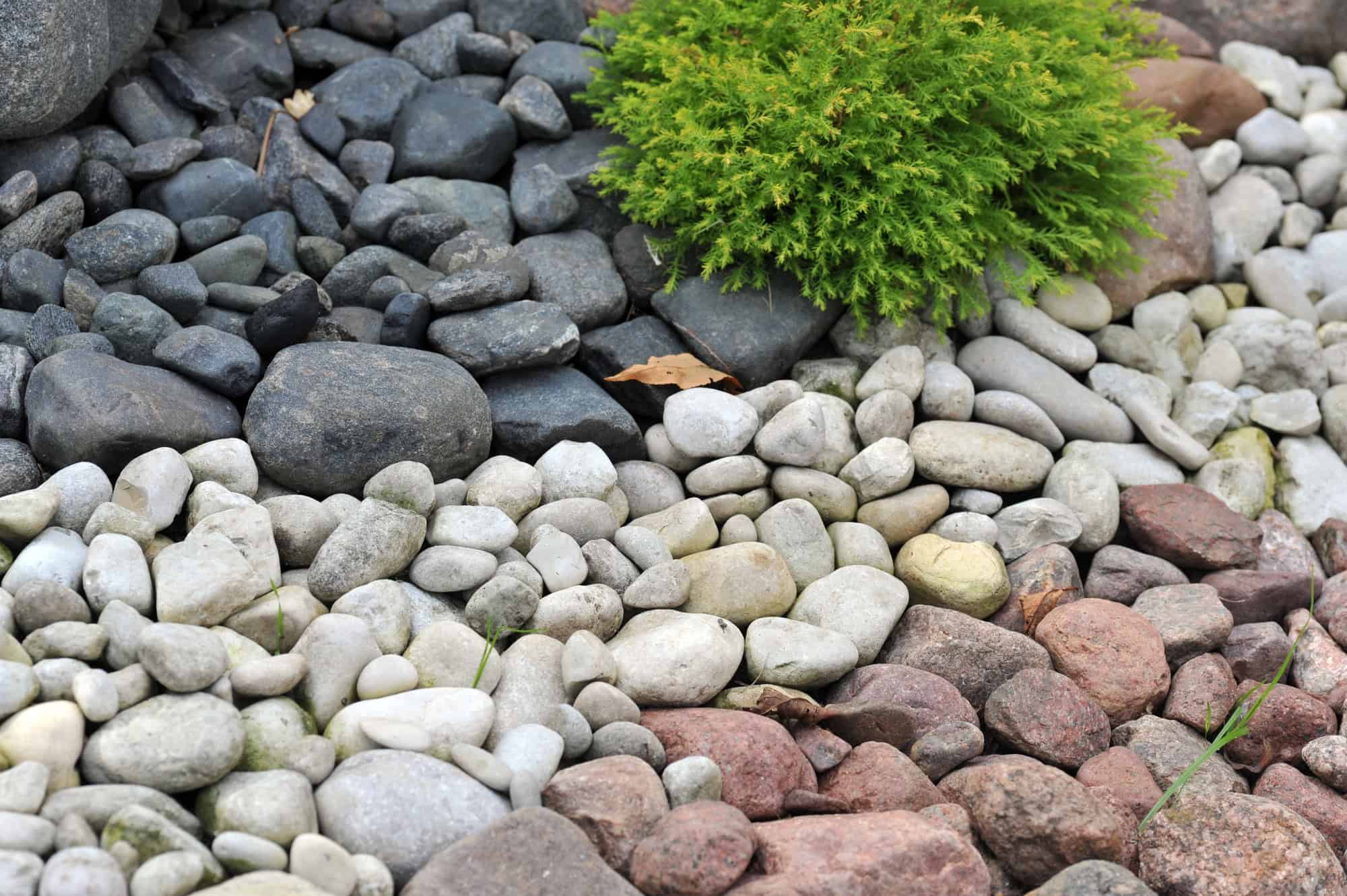
Using rocks and gravel strategically creates heat-sink areas that protect plant roots and reduce evaporation. Large rocks can provide natural perches for hummingbirds while helping to maintain consistent soil temperatures.
This approach mimics natural desert gardens where hummingbirds thrive.
7. Practice Smart Water Management

Water deeply but infrequently to encourage deep root growth. Check soil moisture levels regularly using the finger test – if it’s moist 2 inches down, wait to water.
Collect rainwater in barrels for use during dry spells, and consider naturally redirecting downspouts to water garden areas.
8. Design Smart Feeding Stations

Once you’ve got your hummingbird feeder, fill it with a nectar mixture that’s four parts water to one part table sugar. Don’t use artificial sweeteners or honey – keep things simple when feeding hummingbirds.
Another reason hummingbirds might avoid your feeders is ant or bee activity. Bee traps and ant moats, built into the design of your feeders, can help you avoid these problems so that only hummingbirds can access the nectar.
9. Create Vertical Gardens

Grow drought-resistant vines vertically to maximize space and minimize water usage. Plants like trumpet honeysuckle and native clematis provide excellent nectar sources while occupying minimal ground space.
This approach also creates natural shade patterns that help conserve soil moisture.
10. Maintain Healthy Soil Structure

Add organic matter and use composted materials to improve your soil’s water-holding capacity. Well-structured soil retains moisture better and promotes healthier plant growth.
Consider adding biochar or other sustainable amendments that help the soil retain water while improving plant nutrition.
11. Plan for Seasonal Changes

Design your garden with year-round interest by selecting plants that bloom at different times. Group plants with similar water needs together and plan for succession blooming to provide continuous nectar sources.
This thoughtful approach ensures hummingbirds always have food while maintaining water efficiency.
12. Monitor and Adapt

Assess your garden’s performance regularly and make adjustments as needed. Record which plants thrive with minimal water, observe hummingbird feeding patterns, and note areas that may need improvement.
This ongoing evaluation helps create an increasingly efficient and attractive habitat over time.
Drought-wise hummingbird basics
| Spec | What our writers say |
|---|---|
| California natives | Drought-resistant and hardy while attracting hummingbirds |
| Native sunflowers | A water-wise choice that also feeds other wildlife |
| Microclimate | Trees and shrubs create shelter and shade |
| Feeder shade | Shade matters; many hummingbird plants grow in shade too |
| Cover | Taller trees or bushes plus a bath or small pond |
| Nectar | Four parts water to one part table sugar; no honey |
| Ants | Ant moats keep ants out of the nectar |
📷 Show us your feeder setup! Share a few photos of your feeders and you might be featured on Wild Bird Scoop. Share your setup →