


Ever wonder why some gardens are buzzing with hummingbirds while yours sits empty? The secret isn’t what most people think – and the surprising factor revealed at #1 might be the game-changer your garden needs.
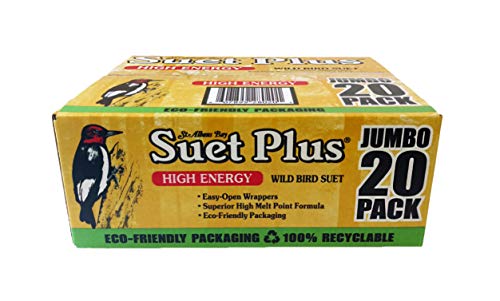
20 Suet Cakes - Attract More Birds
Check Price11. Strategic Feeder Placement Makes a Difference

The most successful hummingbird gardens place feeders near natural perches but away from potential hiding spots for predators. Position feeders about 10-15 feet from shelter like trees or shrubs, allowing birds to quickly retreat if threatened while maintaining clear sight lines. Having multiple feeding stations reduces territorial behavior.
Save this article for later so you don't lose it. Enter your email and I'll send it to you now—plus you'll get my favorite backyard birding tips delivered to your inbox.
10. Extended Blooming Seasons Keep Them Coming Back

Gardens that provide continuous blooms from early spring through late fall are more likely to become regular hummingbird stops. Carefully planned succession planting ensures there’s always something flowering. Early bloomers like columbine, mid-season bee balm, and late-season salvias create an ongoing nectar buffet.
9. Red Isn’t Always Best

Contrary to popular belief, hummingbirds are attracted to various colors, not just red. While they love red blooms, they’re equally drawn to purple, pink, and orange flowers. The key is choosing tubular-shaped flowers regardless of color, as these naturally contain more nectar and are perfectly shaped for hummingbird beaks.
8. Protection from Wind Increases Visitor Numbers

Hummingbirds expend tremendous energy flying and prefer to feed in relatively calm areas. Gardens with natural windbreaks like shrubs, trees, or structures attract more visitors because the birds can hover and feed more efficiently. Creating sheltered pocket gardens can significantly increase hummingbird activity.
7. Natural Nesting Sites Encourage Residents

Gardens with small-leaved trees and shrubs often attract nesting hummingbirds. These birds prefer to build their tiny nests on downward-sloping branches that provide overhead protection. Native deciduous trees and dense shrubs offer ideal nesting locations, encouraging hummingbirds to become permanent residents rather than just visitors.
6. Territorial Spacing Matters

The most successful hummingbird gardens space nectar sources throughout the landscape rather than clustering them in one area. This arrangement reduces competition and territorial disputes among these naturally aggressive birds. Creating multiple feeding stations at least 10-15 feet apart allows more hummingbirds to feed peacefully.
5. Vertical Gardening Creates Natural Feeding Zones

Gardens with vertical elements like trellises, arbors, or tall flowering vines attract more hummingbirds because these birds naturally feed at different heights. Creating layers of blooms from ground level to 10-15 feet high mimics their natural habitat and provides multiple feeding stations. Climbing plants like trumpet honeysuckle and cardinal climber are especially effective.
4. Spider Webs Serve as Natural Resources

Gardens that tolerate spider webs in out-of-the-way places attract more hummingbirds for two surprising reasons. Hummingbirds use spider silk to build their tiny nests and feed on small insects caught in the webs. Avoiding excessive garden cleanup helps maintain these valuable resources.
3. Insect-Friendly Gardens Provide Essential Protein

Many gardeners don’t realize that hummingbirds need more than nectar – they require protein from small insects. Gardens that avoid pesticides and include plants that attract tiny insects like gnats and fruit flies naturally draw more hummingbirds. Native plants typically host more beneficial insects than exotic species.
2. Moving Water Features Create Irresistible Appeal

Hummingbirds are naturally drawn to the sound and sight of moving water. A simple solar fountain or dripper can transform a basic birdbath into a hummingbird magnet. These tiny birds need to bathe frequently to keep their feathers in top flying condition, and they especially love flying through fine mist or gentle sprays.
Get our free Hummingbird Attraction Guide! Plus, we'll send you our best tips for attracting more birds to your yard.
1. Native Plants Trump Exotic Species

While exotic flowers might catch our eye, hummingbirds have evolved alongside native plants for thousands of years. Local species like cardinal flower, bee balm, and native columbine provide exactly the right nectar concentration these tiny birds need. Research shows gardens with at least 60% native plants attract up to three times more hummingbirds than those filled with non-native species. This is the foundation that makes everything else work – without native plants, even the best water features and feeders will struggle to create lasting success.
The Surprising Factor: Timing Your Garden Activity
Here’s the game-changing secret most gardeners miss: hummingbirds are most active during specific times of day and avoid gardens with too much human activity during peak feeding hours. The best hummingbird gardens maintain quiet zones during early morning (6-9 AM) and late afternoon (4-7 PM) when these birds do most of their feeding. Scheduling your garden work during midday hours can dramatically increase your success rate.
Quick Start Guide: Your First Week
Ready to transform your garden this week? Start with these three immediate actions that cost under $50 total.
First, add a simple solar fountain or dripper to any existing water feature – this single change often brings hummingbirds within days.
Second, plant three native flowering plants in different areas of your garden, spacing them at least 10 feet apart.
Third, remove or relocate any existing feeders to create better sight lines and reduce territorial conflicts. These quick wins set the foundation for long-term success.
Seasonal Planning Calendar
Spring preparation begins in March with cleaning and refilling feeders, planting early bloomers like columbine and wild bergamot, and setting up water features before migration begins.
Summer maintenance focuses on deadheading flowers to extend blooming, keeping feeders clean and filled, and avoiding pesticide use during peak insect season.
Fall tasks include planting late-season bloomers like asters and maintaining feeders through migration, while winter prep involves protecting tender plants and planning next year’s garden layout.
Common Mistakes That Repel Hummingbirds
Even well-meaning gardeners can accidentally drive hummingbirds away. Using pesticides eliminates the protein-rich insects these birds need for survival. Placing feeders too close together creates territorial battles that stress the birds.
Choosing only late-season bloomers leaves early migrants without food sources. Keeping gardens too tidy removes spider webs and nesting materials. Finally, using red food coloring in homemade nectar can actually harm these delicate birds – plain sugar water works perfectly.
Frequently Asked Questions
How long does it take to attract hummingbirds to a new garden? With the right setup, hummingbirds can discover your garden within 1-2 weeks during migration season. However, building a reliable population that returns yearly typically takes a full growing season.
What’s the best homemade nectar recipe? Mix one part white sugar with four parts water. Boil the water, add sugar, stir until dissolved, then cool completely. Never use honey, brown sugar, or artificial sweeteners, which can harm hummingbirds.
How often should I clean my feeders? Clean feeders every 3-5 days in cool weather, every 1-2 days when temperatures exceed 80°F. Use hot water and a bottle brush, avoiding soap or bleach that could leave harmful residues.
Can I attract hummingbirds without feeders? Absolutely! A well-planned garden with native plants, water features, and proper spacing can attract more hummingbirds than feeders alone. Many successful hummingbird gardens rely entirely on natural food sources.
Why do hummingbirds fight at my feeders? Hummingbirds are naturally territorial. Reduce conflicts by spacing feeders at least 10-15 feet apart and providing multiple feeding stations throughout your garden. This allows dominant birds to claim territory while others feed peacefully elsewhere.
What should I do if hummingbirds stop visiting? Check for dirty feeders, old nectar, or nearby construction that might disturb them. Ensure you have blooming flowers throughout the season and haven’t recently used pesticides. Sometimes patience is key – hummingbirds may temporarily explore other food sources before returning.