


Want to keep your bird feeders full without breaking the bank? One simple trick from the Great Depression era could slash your bird feeding costs by 70% – and it’s hiding in plain sight at the end of this article. Here are 11 budget-friendly secrets that have kept backyard birds happy for generations.
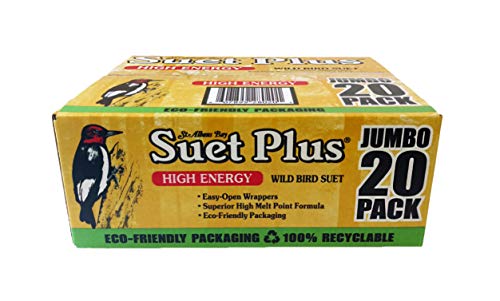
20 Suet Cakes - Attract More Birds
Check Price1. Buy Seeds in Bulk During Off-Season Sales

Like stocking up on canned goods when prices drop, the same smart shopping applies to bird seed. Stores offer the best deals on bulk seeds in late fall and winter when demand is lowest. Store them in airtight containers in a cool, dry place, and they’ll stay fresh through the season. Always check for moisture and mold before storing to avoid waste.
Save this article for later so you don't lose it. Enter your email and I'll send it to you now—plus you'll get my favorite backyard birding tips delivered to your inbox.
2. Grow Your Own Sunflowers

Nothing beats growing your own bird feed. Plant sunflowers in spring, and by fall you’ll have plenty of seeds to harvest. Let the flower heads dry on the stem, cut them off, and hang them upside down in a paper bag to catch falling seeds. You can even leave some standing for the birds to feed directly from the source.
3. Create a Homemade Suet Mixture

Skip expensive store-bought suet by making your own from kitchen scraps. Mix rendered beef fat with cornmeal, oats, and peanut butter to make your suet cakes. Add dried fruits and crushed eggshells for extra nutrition. Pour the mixture into empty milk cartons or muffin tins to set, then freeze until needed.
4. Use Kitchen Scraps Wisely

Many kitchen scraps make excellent bird food. Stale bread crumbs, crushed unsalted nuts, overripe berries, and leftover cooked rice can supplement your regular seed offerings. Avoid anything moldy or seasoned with salt, and never offer birds chocolate or avocado, which are toxic to them.
5. Choose Region-Appropriate Seeds

Know your local birds and their preferences to avoid wasting money on seeds they won’t eat. Black oil sunflower seeds attract the widest variety of birds and offer the best value. Avoid cheap mixed seeds that often contain fillers like milo, which many birds ignore and kick aside.
6. Install Squirrel Baffles

Squirrels can empty your feeders in hours! Install dome-shaped baffles above hanging feeders or below pole-mounted ones. You can make your own from old aluminum pie plates, or buy affordable plastic ones that work just as well. Position baffles at least 8 feet from jumping surfaces.
7. Create Weather Protection

Add simple weather protection to your feeders to keep your seed dry and prevent waste. A homemade roof made from plywood or an old license plate works great. Position feeders away from strong winds and ensure they have drainage holes to prevent soggy, spoiled seed.
8. Maintain Clean Feeders

Regular cleaning prevents seeds from spoiling and keeps birds healthy. Once a month, empty feeders completely and clean them with a solution of one part vinegar to nine parts water. Let them dry thoroughly before refilling to prevent mold growth that could waste your seed and harm the birds.
9. Use Multiple Small Feeders

Instead of one large feeder, set up several smaller ones with different types of feed. This reduces waste from dominant birds kicking out seeds they don’t want, and allows more birds to feed at once. It also helps prevent the spread of disease among your feathered visitors.
10. Plant Natural Food Sources

Supplement your feeders with natural food sources in your garden. Plant native berry bushes, coneflowers, and seed-producing perennials. These plants provide free bird food and create natural shelter and nesting sites. They’ll also reduce your feeder costs significantly over time.
11. Time Your Refills Strategically

Fill feeders in the early morning when birds are most active, and avoid overfilling during storms when seed can get wet and spoil. During migration seasons, increase your feeding to help traveling birds, but reduce amounts during summer when natural food is plentiful.
Get our free Hummingbird Attraction Guide! Plus, we'll send you our best tips for attracting more birds to your yard.
The Great Depression Secret That Could Cut Your Bird Feeding Costs by 70%
During the 1930s, when every penny counted, families discovered that creating “seed banks” could dramatically reduce their bird feeding expenses. This forgotten technique involves collecting and storing seeds from multiple sources throughout the year, then mixing them strategically based on seasonal bird needs.
Start by saving seeds from melons, pumpkins, and squash when you cook. Dry them thoroughly and store in labeled containers. Collect seeds from spent flowers in your garden – cosmos, zinnias, and marigolds all produce bird-friendly seeds. Even apple and pear cores contain seeds that many birds enjoy.
The real secret is timing your collection and storage. By gathering free seeds from spring through fall, you can create enough bird food to last through the expensive winter months when store-bought seeds cost the most. Families who used this method reported cutting their bird feeding costs by up to 70% compared to buying commercial seed year-round.
Regional Bird Feeding Cost Comparison
Bird feeding costs vary significantly across different regions of the United States. Understanding these differences can help you budget more effectively and take advantage of regional opportunities.
In the Northeast, where winters are harsh and long, expect to spend 40-50% more on bird feeding during cold months. However, this region offers excellent opportunities for bulk buying at farm supply stores. The Southeast enjoys year-round natural food sources, reducing feeding costs by about 30% compared to northern areas.
Western states often have higher seed prices due to shipping costs, but the mild climate means shorter intensive feeding seasons. The Midwest offers the best combination of reasonable prices and good bulk buying opportunities, especially in agricultural areas where feed stores are common.
Seasonal Feeding Schedule for Maximum Savings
Smart bird feeding follows nature’s calendar. During spring migration (March-May), increase feeding by 25% to help traveling birds refuel. Summer feeding can be reduced by half since natural food is abundant – focus on providing water instead.
Fall preparation is crucial for winter savings. Start increasing feeder capacity in September, and stock up on bulk seeds before first frost. Winter feeding (December-February) requires the most seed, but this is when bulk buying pays off most.
Keep a feeding log to track how much seed you use each month. This helps you buy the right amounts and avoid waste from over-purchasing or under-stocking during peak times.
DIY Feeder Projects That Save Money Long-Term
Building your own feeders can save hundreds of dollars over time. A simple tube feeder made from a plastic bottle and wooden spoons costs under $2 and works as well as store-bought versions costing $15-20.
Platform feeders built from scrap wood serve multiple bird species and last for years. Add a simple roof made from cedar shingles or metal flashing to protect seed from weather. These feeders cost about $5 in materials but replace feeders that would cost $30-40 in stores.
Suet feeders are especially easy to make. Wire mesh formed into a cage and attached to a tree costs less than $3, while commercial suet feeders often cost $15-25. The homemade version actually works better because you can customize the mesh size for different bird species.
Frequently Asked Questions About Budget Bird Feeding
How much should I budget for bird feeding each month? Most households spend $15-30 per month on bird feeding, but this can be reduced to $8-15 with smart shopping and DIY approaches. Winter months typically cost 50% more than summer months.
Is it cheaper to buy seed mixes or individual seeds? Individual seeds are almost always more cost-effective. Mixes often contain filler seeds that birds don’t eat, making them poor value despite lower upfront costs.
How long do bulk seeds stay fresh? Properly stored seeds remain fresh for 6-12 months. Store in airtight containers in cool, dry places. Check monthly for signs of mold or insect activity.
What’s the biggest waste of money in bird feeding? Overfilling feeders during wet weather causes the most waste. Wet seed spoils quickly and must be discarded, wasting both seed and money.
Can I feed birds year-round on a tight budget? Yes, by combining bulk buying, seasonal adjustments, homemade suet, kitchen scraps, and natural plantings, you can maintain year-round feeding for under $10 per month.
Do expensive seeds really attract more birds? Not necessarily. Black oil sunflower seeds, one of the most affordable options, attract more bird species than many expensive specialty seeds.