


Birds love a variety of foods, but you don't have to spend a fortune or use specialty birdseed blends to attract them and build your own bird haven. You already have food in your pantry that can lure them into your backyard. Food like sunflower seeds, peanut butter and more everyday kitchen staples can attract many beautiful and interesting birds to your yard all year round.

Bring Hummingbirds Right To Your Window!
Check PriceNorthern Cardinal Sunflower Seeds

Save this article for later so you don't lose it. Enter your email and I'll send it to you now—plus you'll get my favorite backyard birding tips delivered to your inbox.
One of the most beautiful visitors to your yard is the Northern Cardinal. It's especially easy to attract them to your yard if you put out some sunflower seeds. Black oil sunflower seeds are Cardinals favorites because they are high in fat and the shell is easy for them to crack. These birds are ground feeders and will enjoy the seeds you scatter below a platform feeder or in a clean area on the ground. Cardinals usually come in pairs and are most active in the early morning and late afternoon. Stay stocked up on seeds to keep the cardinals and other birds fed through the winter as their natural food sources will run out. With a quick trip to the grocery store to pick up some sunflower seeds (for baking or snacking) you will easily be able to lure these amazing birds into your yard!

Wagner's Black Oil Sunflower Bird Food 25lb
Check PricePeanuts and Black-Capped Chickadees

Black-capped Chickadees are little acrobatic professionals when it comes to eating peanuts! These small and social birds are year-round residents in most of North America. They will visit any feeders offering shelled or chopped peanuts. They have a unique way of stashing food, and will take a peanut piece to hide it in tree bark for later. They enjoy the feeding station that has the peanuts stashed!! Chickadees like peanuts that are cut into small pieces so chop whole peanuts into halves and even quarters to make them happy! You can also offer them raw, unsalted peanuts in a hopper feeder, or a platform feeder, and even sprinkled on a tree stump. Their curious nature will make them daily visitors, and their joyful calls will bring them to your feeder. Chickadees are guaranteed to be daily visitors!!
Woodpeckers With Suet

Woodpeckers constantly hammer and forage for food. They're built for it, but they need a lot of energy to do this, and that's why suet is a great food source, especially in the winter. All you have to do is check the meat section of your local grocery store. You can also save trimmings of beef fat from cooking. Many woods have Downy Woodpeckers, Hairy Woodpeckers, and Red-bellied Woodpeckers. Suet can be put in a wire cage feeder attached to a tree trunk, or you can hang it from a sturdy limb. While woodpeckers are feeding, they’ll cling to the feeder with their strong feet and chisel-like bills. Suet can spoil and melt in warmer weather, so it’s best to offer it in fall and winter. Woodpeckers are also very fun to watch in addition to all the other great reasons to attract them.
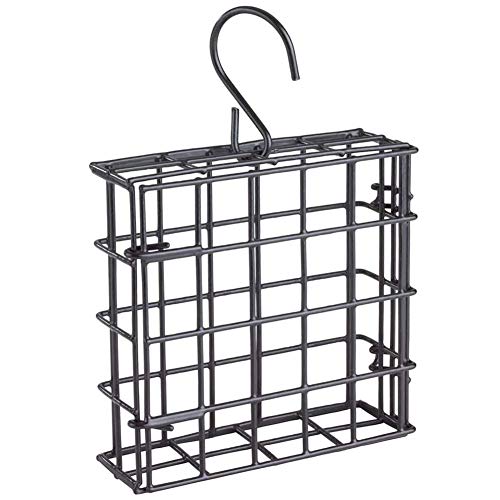
More Birds Suet Cage Bird Feeder Black
Check PricePro Tip
You might be able to get beef kidney fat (suet) from your butcher for a low price if not free. To render it, melt it slowly in a pot and then strain it using cheesecloth. You can then pour the fat into molds.
Blue Jays and Unshelled Peanuts

Blue Jays are bold and bright and smart birds that enjoy peanuts in the shell. They are entertaining to watch while they work to open the shells because they use their feet to hold the shells while they use their powerful beaks to hammer open the shell. These large birds like to take multiple peanuts to hide for later. To feed Blue Jays, use whole, unsalted peanuts in the shell on platform feeders, or scatter them on the ground. Blue Jays are very dominant when they are at the feeders, however, they are beautiful birds with bright colored blue feathers and entertaining social behavior. Blue Jays are found year-round in most of the eastern and central United States. If you buy peanuts for your own snacking, you can save a few to feed the Blue Jays. These birds are very smart, loud, and will learn when you put out food to feed them.
Crushed Peanuts Attract Purple Finches

Purple Finches are fantastic, rosy colored songbirds, and they love finely crushed peanuts. Other birds like jays and woodpeckers can easily take whole/large pieces, but Purple Finches aren't as big and crushable pieces are required. Most Purple Finch populations are in the north/west, but as winter comes, some migrate even further south. In addition, they are a flock bird species and feeders with perches get more of them because they like to sit and eat. When offering crushed peanuts, tube and hopper feeders are best. They are also fans of sunflower seeds, but unlike their finch friends, they need additional protein and fat, so the addition of peanuts in their diet is a must. Purple Finches have a more rosy hue and are stockier than House Finches, so don't confuse them. With the right food, these lovely finches can be attracted to your garden for the duration of their seasonal visit.
Get our free Hummingbird Attraction Guide! Plus, we'll send you our best tips for attracting more birds to your yard.
Sunflower Seeds and White Breasted Nuthatch

White-breasted Nuthatches are small and charming birds that are easily recognized for their acrobatic feeding behavior. These birds are able to climb backwards down tree trunks and are able to locate insects and seeds in the tree's bark. They are frequent visitors to bird feeders and are residents in many areas of the United States. These birds will often take sunflower seeds from feeders and fly to a nearby tree to smash the seed into the cracks of the bark. They will eat from tree mounted feeders and do not mind hoppert or platform feeders. While white-breasted nuthatches like peanuts and suet, their preference is sunflower seeds. Their presence can easily be recognized by their nasal repetitive calls. White-breasted nuthatches are great birds to have around for birdwatchers as their feeding style becomes entertaining and adds movement to the serving area.
Bread Crumbs and Mourning Doves

Mournng doves are peaceful birds that are gentle when feeding from the ground. If you throw some bread crusts in your yard, the doves will come to eat! While feeding them bread is not a very nutritious option it will certainly attract them to your yard if you use this method sparingly. Mourning doves prefer to feed from the ground, or from a feeder that is either flat or at a low height, so they can pick and eat seeds from the surface. These doves can often be seen eating in pairs or small groups and are found in every region of North America throughout the entire year. If you choose to feed mourning doves bread, be sure to use whole grain bread and break it into small pieces. They are more lethargic eater so be prepared to give them food more than once in a sitting. A more nutritious option is always better and this will give them the chance to eat their outstanding food at their outstanding home. They do not go very fast and a broken feeder will suffice.
Important
Bread should only be given to birds as an infrequent treat, as it does not give the vitamins and protein that they need. It can be very filling to birds. If you want to feed doves, cracked corn, and millet are much better options for everyday use.
Dried Mealworms for Wrens and Chickadees

Dried mealworms may be unfamiliar, but these insects are packed with protein and make for an irresistible treat for the chickadees and wrens in your yard. Coming pet section of most grocery stores, they are shelf-stable and easy to store in your pantry. Since mealworms are part of the natural diet of both Carolina Wrens and Black-capped Chickadees, they will love your offer. Mealworms can be offered in specialized mealworm feeders or in small dishes on platform feeders. These protein-rich morsels are especially great for Wrens during breeding season to feed the nestlings, and he Chickadees will grab them one-by-one to cache or eat. Moistened mealworms are an even better option, in fact, many bird watchers and feeders will recommend warm water for a few minutes before offering them. Forget about store bought feeders since dried mealworms will bring active birds to your window.
Bluebirds With Dried Fruit

Eastern Bluebirds are adored for their beautiful blue feathers and calm personalities. Shockingly, they eat dried fruit! You can try putting dried apples, cranberries, and raisins from your kitchen in a bird feeder. Bluebirds mostly focus on eating insects but they also eat fruit. Dried fruit is a good option to give bluebirds in the winter because insects aren’t readily available. Before you offer the dried fruit to the bluebirds, you should soak them in water to make it easier for them to eat. Use a shallow dish on a platform feeder or specialized bluebird feeder. These birds make nests in tree holes and like open areas with scattered trees. Your suburban or rural backyard is great for them! Dried fruit and mealworms make a great buffet to attract them to your feeding station! Bluebirds are very social and will travel in small family groups. Winter migration is also when they are the most social. If Eastern Bluebirds come to your feeder to eat, it is one of the best parts of having a bird feeder!
Sparrows With Cornmeal

House Sparrows and native species like Song and White-throated Sparrows, are sparrows who feed from the ground. Cornmeal is a great feed for them since it is low by, and easy to scatter, and is a good source of protein and carbohydrates. Once the cornmeal has been scattered onto clean open ground or onto a low platform, feeder, it can be fed to sparrows. Flocking is a common behavior for small birds, and to continue feeding, they will keep moving around a lot to create space for other busy birds. Little birds enjoy cornmeal a lot, and because they are so small, they won’t have trouble feeding. Even though house sparrows are aggressive, the rest of the native sparrows have wonderful and beautiful singing plumage and songs. It is a good idea to mix cornmeal with cracked corn if you want to attract more birds like doves and juncos or towhees. This is an affordable way to support ground-feeding birds, especially during migration seasons when food is critical.
Nuthatches and Peanut Butter Suet

Both the White-breasted Nuthatch and the Red-breasted Nuthatch especially enjoy homemade suet made with peanut butter. You can make your own bird-friendly suet by mixing together natural and unsalted peanut butter with some cornmeal or oats. It should be firm and spreadable so it won't choke the birds. You can smear the mixture into the crevices of a suet feeder, spread it on the bark of trees, or pack it into pinecones. Nuthatches like climbing on vertical surfaces and will spend a while pecking at the food to get it.Very active birds especially in the winter months enjoy the protein and fat combination. The suet is also a favorite of other birds such as chickadees, titmice, and woodpeckers. The peanut butter should not have excess sugar, salt, or oils. The mixture can be kept in the refrigerator. To keep the food fresh, it is advisable to refil the feeders. Offering this food using the ingredients you have at home is a great time saver and offers birds premium nutrition.
Feeding Pinecone Bird Feeders to Jays and Woodpeckers

An inexpensive and easy way to feed birds is to use pine cones smeared with peanut butter. Both Blue jays and woodpeckers will be attracted to these feeders. Just collect some pine cones from your yard or a park, and smear peanut butter (be sure it is unsalted and natural) into the cracks of the cones. Next roll the cones in bird seed, crushed peanuts, or cornmeal. Use some wire or string to hang the pine cones from tree branches. Because they can hold on to the feeders, they are a great attraction for Downy Woodpeckers and Blue Jays. The activity is fun for kids as well and will also allow them to refuel. Peanut butter is a great source of fats, and the seeds and grains will provide carbohydrates for the birds. Be sure to replace the cones every couple of days when it is warm outside because the peanut butter can go bad. Creating an effective feeding station will bring beautiful birds into your backyard, and using these simple ingredients from the kitchen and a little creativity will attract the birds.
Zick Dough and Numerous Species

Quick Reference
Quick Recipe: Combine 1 cup rendered suet or lard, 1 cup crunchy peanut butter, 2 cups cornmeal, 2 cups quick oats, 1 cup flour. Blend until mixture is dough-like. It will need to be refrigerated.
Zick Dough is a fun and engaging bird food recipe that is easy for kids to make and draws a wide range of birds like blue jays, chickadees, and even woodpeckers! The main ingredients are bird-safe peanut butter, cornmeal, and flour, along with either rendered suet or lard. Some birders also add other nutrition-rich ingredients like oats, mealworms, or raisins. Zick dough is very protein and fat-rich, which is perfect during winter and migration periods for birds. It is very easy to mold the dough into cakes and fill suet feeders or pack the dough into natural or manmade bird feeders. Julie Zickefoose, a popular naturalist, caused the recipe to gain more attention. The best part is you can make Zick Dough in bulk and it can be kept in the fridge for a long time. The recipe can be customized to your family's liking and whatever bird-friendly ingredients you have leftover, while also turning your kitchen staples into a great food source for a variety of birds, which makes it ideal for most families.




