Most of the plants below will root from a simple stem cutting, a clean knife and a pot of moist perlite or potting mix. They run roughly from easiest to slowest. Soft-stemmed herbs and annuals root in a few weeks, while woody shrubs take longer and need cuttings taken at the right time of year.

The Camera Feeder We Use In Our Own Backyard
See Today's PriceOne rule before you start: keep the rooting mix barely moist, never soggy, and give cuttings bright light out of direct sun.
Save this article for later so you don't lose it. Enter your email and I'll send it to you now—plus you'll get my favorite backyard birding tips delivered to your inbox.
1. Mint (Mentha spp.)
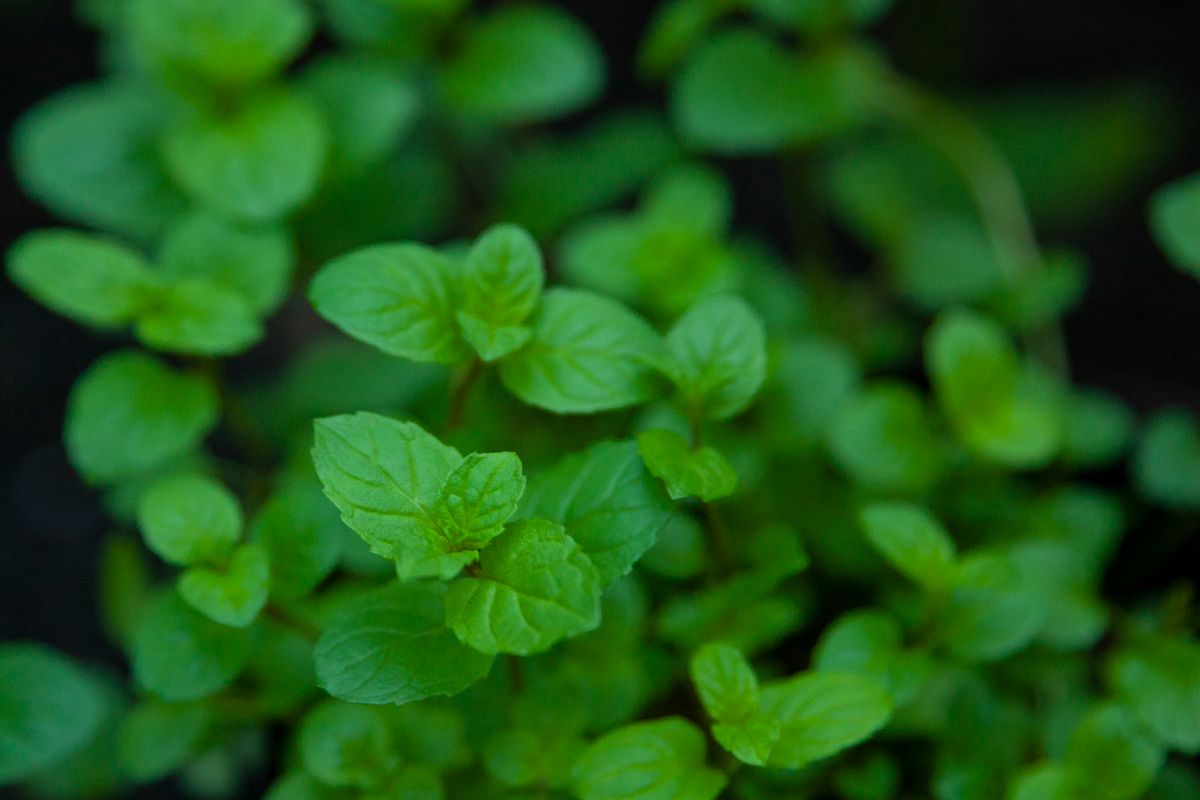
Mint is the easiest start. Snip a 4-inch stem tip, strip the lower leaves and stand it in a glass of water on a windowsill. Mints root easily in water; plant the cutting once it has a good mass of roots. You can also stick stems straight into moist potting mix or divide an existing clump.
Spearmint is hardy in zones 5–9. Mint spreads aggressively by runners, so University of Maryland Extension suggests growing it in a pot 12 to 16 inches across rather than loose in a bed. Trim any runners that creep over the rim.
2. Coleus (Plectranthus scutellarioides)
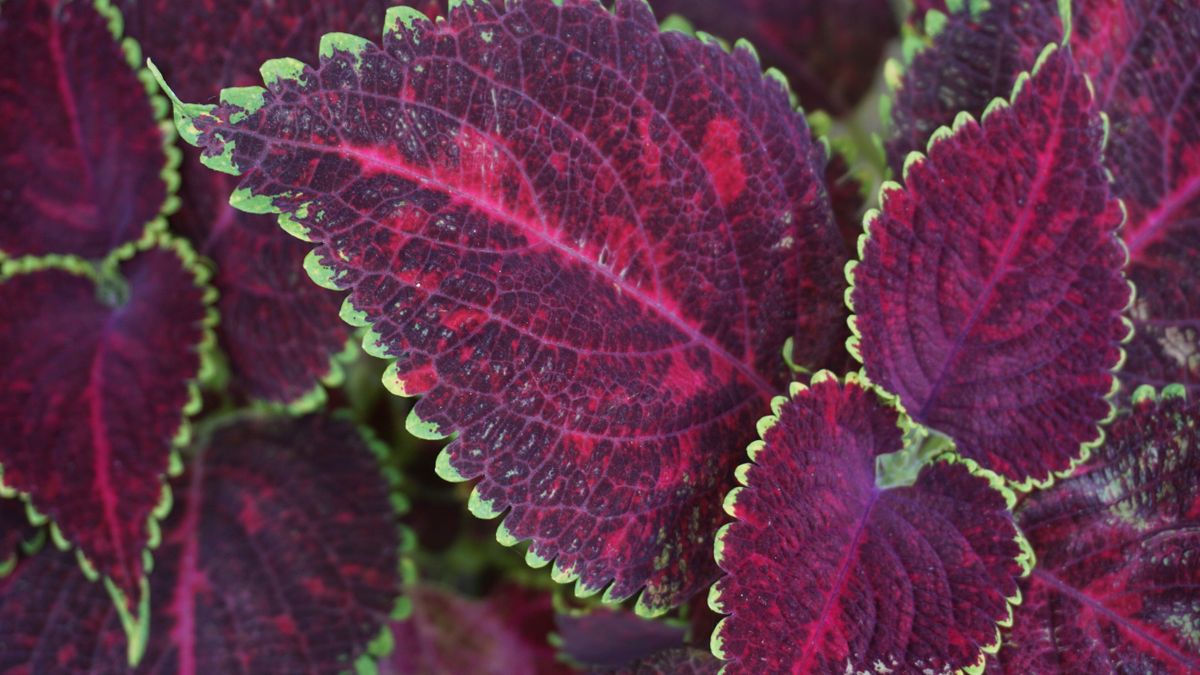
Coleus is grown as an annual in most of the U.S. and is perennial only in zones 10–11. It is one of the annuals Iowa State Extension lists as easy to root, which makes it a good way to carry a favorite leaf color through winter.
Take 2- to 4-inch stem tips in late summer or fall before frost. Remove the lower leaves, insert the stems in moist perlite and cover the pot with a clear plastic bag. Keep it in indirect light. Most cuttings root in 4 to 6 weeks. Pot them up, grow them on a sunny windowsill and plant them out after your last spring frost.
3. Geranium (Pelargonium × hortorum)
Garden geraniums are frost-tender, so in most of the country they are grown as annuals or brought indoors for winter. Cuttings are the easiest way to keep a plant you like.
Iowa State Extension’s method: cut 3- to 4-inch stem tips with a sharp knife, pinch off the lower leaves and dip the base in rooting hormone. Stick them in vermiculite or a perlite and peat mix, water, and cover with a clear bag or dome. Set the pot in bright light but not direct sun. Expect roots in 6 to 8 weeks. Pot each rooted cutting on its own and keep it in a sunny window until spring.
4. Rosemary (Salvia rosmarinus)

Rosemary is hardy in zones 8–10; farther north it is usually grown in a pot and brought inside for winter. The RHS recommends semi-ripe cuttings in late summer or heel cuttings in spring. You can also layer a low stem into the soil in summer.
Strip the lower leaves from a 4- to 6-inch cutting, dip it in rooting hormone if you have some, and set it in a well-drained, gritty mix. Water lightly. Rosemary is a Mediterranean plant and rots in wet soil, so keep the mix just moist while it roots. Give young plants full sun once they are growing.
5. Perennial Salvia (Salvia nemorosa)
Perennial salvia is hardy in zones 4–8 and roots quickly from softwood cuttings. Take cuttings in late spring or early summer from shoots that are not flowering, since stems carrying blooms put their energy into the flowers instead of roots.
Cut just below a leaf node, remove the lower leaves and insert the stem in moist potting mix or perlite. Cover the pot with a clear bag to hold humidity and keep it in bright, indirect light. Once new leaves appear, the cutting has rooted. Bees and butterflies visit the flowers, which makes a few extra plants worth having.
Get our free Hummingbird Attraction Guide! Plus, we'll send you our best tips for attracting more birds to your yard.
6. Rex Begonia (Begonia rex-cultorum)
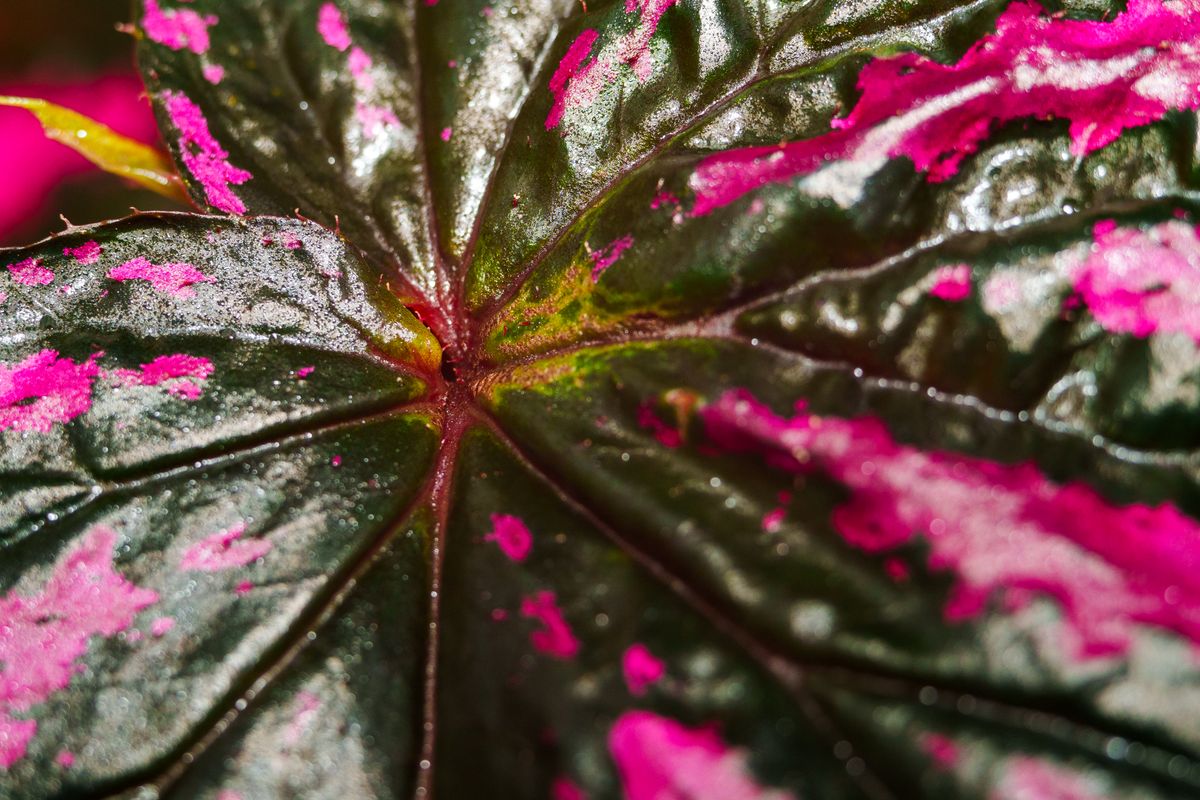
Rex begonias are grown as houseplants in most places; outdoors they are hardy only in zones 10–11. They can be propagated from a single leaf, which works for rex and other rhizomatous types, not for every begonia.
Choose a mature leaf and cut through the large veins on its underside. Lay the leaf flat, cut side down, on moist rooting mix and pin it in place. Cover with a clear plastic bag and keep in bright, indirect light. New plants form at the cuts. When they have their own roots and leaves, separate them and pot them up. Keep them cool and humid until they root.
7. Fuchsia (Fuchsia spp.)
Most fuchsias sold in hanging baskets are frost-tender and need a frost-free spot over winter. Hardy types can stay in the ground in mild, sheltered gardens. Either kind roots readily.
The RHS lists fuchsias among tender plants that root easily from softwood cuttings of new growth in spring and summer. Cut a 3- to 4-inch tip, remove the lower leaves and insert it in moist cuttings compost under a clear cover. You can also root cuttings in a small jar of water; keep the leaves out of the water and you can see exactly when roots appear. Hardy fuchsias also root from hardwood cuttings.
8. English Lavender (Lavandula angustifolia)
English lavender is hardy in zones 5–8 and needs full sun and very well-drained soil. The RHS suggests softwood or semi-ripe cuttings from young plants in early to midsummer. Hardwood cuttings taken in late autumn after flowering also work, though they are slower.
Choose non-flowering side shoots about 3 to 4 inches long. Strip the lower leaves, dip the base in rooting hormone if you like, and insert it in a gritty, free-draining mix. Water sparingly. Plants grown from cuttings are identical to the parent, which matters if you want a particular variety. Plant out once the new plant is well rooted.
9. Rose (Rosa spp.)
Many roses root from stem cuttings. University of Arkansas Extension suggests using a stem that has just finished blooming and has three to five sets of leaflets. Cut off the spent flower, remove the leaves from the part that will go into the soil and dip the base in rooting hormone. Keep the cutting in moist mix and bright, indirect light.
Check the tag first. Many modern roses, including many newer Knock Out family roses, are patented. A plant patent lasts 20 years, and propagating a patented rose without permission is illegal even for your own garden. Look for “PP” or “PPAF” on the label, and use older, unpatented roses for cuttings instead.
10. Camellia (Camellia japonica)
Camellias are hardy in zones 7–9 and prefer acidic soil. They are slower than anything else on this list, so expect to wait. The RHS recommends semi-ripe cuttings from this season’s growth, taken from July to September, when the base of the stem is firm and the tip is still soft.
Cuttings often root better if you wound the base by removing a strip of bark about 5/8 inch long. Dip the base in rooting hormone and keep the cutting humid and out of direct sun. Hardwood cuttings taken from mid-autumn to late winter can also root, in about three months. Seedlings won’t come true, so cuttings are the way to copy a named variety.
11. Border Forsythia (Forsythia × intermedia)
Forsythia is hardy in zones 5–8 and is one of the easiest shrubs to root. Iowa State Extension recommends softwood cuttings from the current season’s growth in late June or early July. Flowering stems are not the right material, since forsythia blooms in early spring on old wood.
Cut 4- to 6-inch shoots, pinch off the lower leaves and dip the ends in rooting hormone. Stick them in a pot of coarse sand or a perlite mix, water, and cover with a clear bag. Keep them in bright light out of direct sun. Cuttings should root in six to eight weeks. Low branches that touch the ground often root on their own, too.
12. Hydrangea (Hydrangea spp.)
Hydrangeas root well from softwood cuttings taken May through July. Illinois Extension suggests a 5- to 6-inch cutting from a branch that did not flower this year. Remove the lower leaves, dip the end in rooting hormone (optional) and insert it in damp vermiculite or a sterile mix. Keep it humid and shaded. Roots often start in two to three weeks.
Hardiness depends on the species: panicle hydrangea handles zones 3–8, smooth hydrangea 3–9 and bigleaf hydrangea 6–9. Many popular hydrangeas, including the Endless Summer series, are patented, so check the tag for a PP number before taking cuttings.
13. Garden Mum (Chrysanthemum × morifolium)
Garden mums are hardy in zones 5–9 and are easy to multiply from spring cuttings. Iowa State Extension says to collect cuttings in spring or early summer, once new shoots are several inches tall. Cut off the top 3 to 4 inches with a sharp knife.
Choose shoots without flower buds. Remove the lower leaves, dip the ends in rooting hormone and stick them in moist perlite or potting mix under a clear cover in bright, indirect light. The cuttings should root in 4 to 5 weeks. Pinch the young plants a few times before midsummer so they grow bushy and bloom well in fall.
📷 Show us your feeder setup! Share a few photos of your feeders and you might be featured on Wild Bird Scoop. Share your setup →