

What if skipping chores could actually help birds—and make your garden come alive? Stick around to the end for a secret bonus that’ll surprise even the laziest gardener!
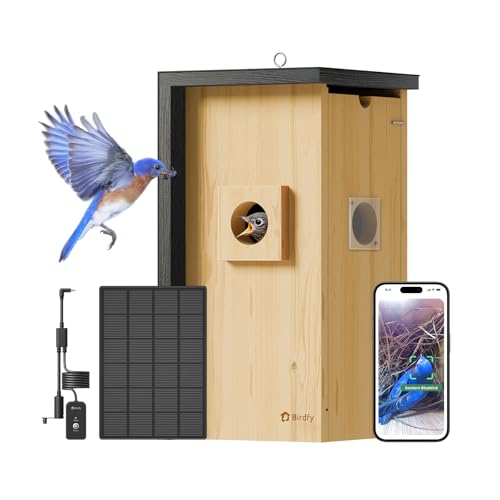
Birdfy Solar Powered Bird House with Camera
Check PriceLeave Those Dead Sunflower Heads Standing: Nature’s Bird Buffet

Those droopy, brown sunflower heads aren’t eyesores—they’re nature’s bird feeders. Chickadees, finches, and cardinals will perform acrobatic feats to get at these seeds all winter long. You get a front-row seat to their show, and the birds get essential cold-weather food—everyone wins.
Save this article for later so you don't lose it. Enter your email and I'll send it to you now—plus you'll get my favorite backyard birding tips delivered to your inbox.
The Magic of Not Raking Your Fall Leaves Just Yet

Put down that rake and watch the show. Those fallen leaves are like an all-you-can-eat buffet for thrushes, towhees, and sparrows who love scratching through the leafy layer for insects and seeds. It’s like a treasure hunt in your own backyard.
Those Messy Maple Seedpods? They’re Actually Bird Magnets

Remember those “helicopter” seeds we played with as kids? Grosbeaks and finches love them too. These spinning seedpods provide valuable food for birds in the colder months—no fancy bird store supplies necessary.
Skip the Pruning: Your Overgrown Shrubs Are Perfect Bird Condos

That slightly wild lilac or overgrown viburnum isn’t just saving you pruning time—it’s prime real estate for nesting birds. Dense, unpruned shrubs offer natural protection from predators and weather, turning your yard into a bird condo complex.
Let Your Grass Grow Wild (At Least in Some Spots)

Remember when meadows were actually meadows, not golf-course replicas? Those longer grass patches you’ve “forgotten” to mow are paradise for ground-feeding birds like juncos and sparrows. They’ll find insects, seeds, and even nesting materials in your mini-meadow.
That Rotting Log You’ve Been Meaning to Remove? Don’t

Your fallen log isn’t just an eyesore—it’s a woodpecker’s buffet. These decomposing logs attract insects, which woodpeckers, nuthatches, and wrens love to eat. Leave the log for wildlife and cross one more chore off your list.
Your “Weedy” Dandelions Are Actually Goldfinch Candy

Before chemical companies convinced us dandelions were the enemy, these golden flowers were welcome visitors. Goldfinches and house finches love dandelion seeds. Those fluffy white seedheads are like cotton candy for finches—let them be, and watch the goldfinches flock in.
The Hidden Benefits of Your Not-So-Tidy Brush Pile

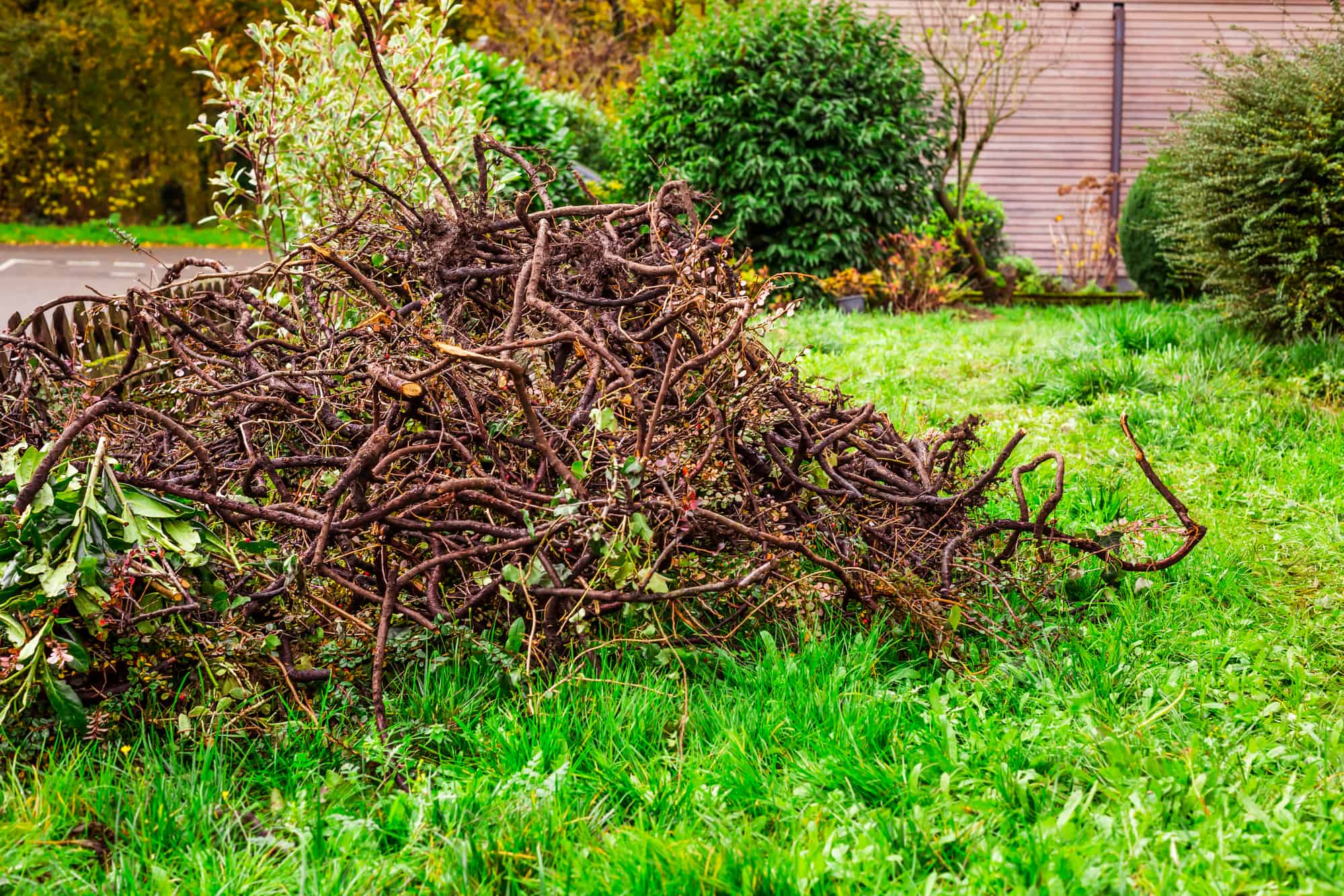
That pile of sticks and branches you haven’t gotten around to clearing? It’s actually a five-star bird resort. Winter wrens and song sparrows use these natural shelters for protection from predators and bad weather. Think of your brush pile as a cozy bird B&B you never had to build.
Why Those Spent Coneflowers Should Stay Right Where They Are

Those black, spiky seedheads aren’t just cool garden art—they’re gourmet dining for goldfinches and chickadees. When snow covers the ground, these natural feeders are like snack dispensers for hungry birds. Your grandmother was on to something by leaving her garden standing through winter.
The Beauty of Letting Your Garden Go to Seed

Before the era of pristine fall cleanups, gardens were winter feeding stations for birds. Cosmos, zinnias, and black-eyed Susans you haven’t deadheaded are like all-you-can-eat buffets for chickadees, titmice, and finches. Nature’s bird feeder never runs out.
Get our free Hummingbird Attraction Guide! Plus, we'll send you our best tips for attracting more birds to your yard.
Keep That Old Bird Bath Looking “Vintage” (The Birds Love It)

Your weathered birdbath with its touch of moss isn’t shabby—it’s inviting. Birds actually prefer a more natural look, finding these “vintage” baths more appealing than shiny new ones. Just keep the water clean and let the patina develop like fine garden furniture.
Your Unmowed Meadow Edge Is a Bird Paradise

That fuzzy transition from lawn to woods? It’s prime real estate for ground-feeding birds like towhees and thrushes. This “messy” edge is a perfect example of what scientists call “edge habitat”—and it’s worth its weight in bird-watching gold.
Those Wild Brambles Are Actually Premium Bird Real Estate

Wild raspberry canes spreading along your fence aren’t unruly—they’re luxury bird housing. Catbirds and cardinals especially love these thorny sanctuaries for nesting, and the bonus berries don’t hurt either. It’s a gated community for your feathered friends.
Skip the Fall Cleanup: Your Garden’s Winter Bird Buffet

Remember when fall cleanup didn’t mean scorched earth? Those seed heads, dried berries, and hollow stems are critical winter food and shelter for birds. Your “untidy” garden is really a well-stocked winter pantry.
Let Nature Do the Mulching: Your Lazy Soil Solution
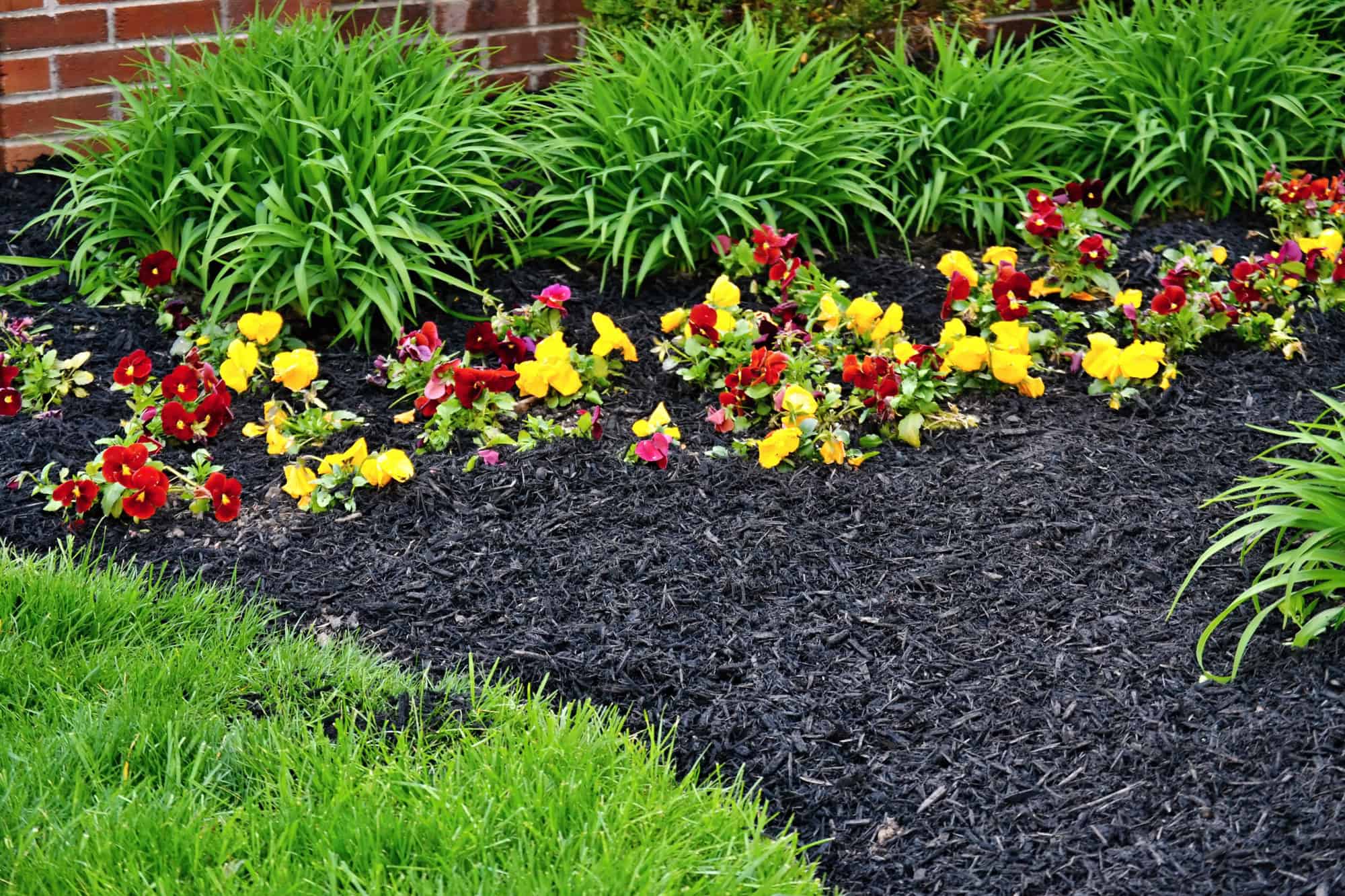
Those fallen leaves and pine needles making their own mulch layer? That’s not neglect—it’s nature’s composting system at work. Robins and thrushes love scratching through this natural mulch for insects, and your soil gets richer too.
That Forgotten Corner of Your Yard? It’s Perfect Bird Habitat

The wild corner behind the garage where you gave up on order? It’s actually prime bird real estate. The jumble of native plants, fallen branches, and natural debris creates layered habitat birds love. Sometimes, the best gardening is no gardening at all.
Why Your Messy Garden Beats Your Neighbor’s Pristine One
While your neighbor’s perfectly manicured lawn might win HOA awards, your “lived-in” garden is winning the bird popularity contest. Those seed heads, berry-laden shrubs, and natural debris create a living ecosystem that attracts more birds than any pristine landscape ever could.
Those Tall Dead Stalks Are Actually Winter Bird Perches

Those brown stalks from last summer’s perennials aren’t garden eyesores—they’re nature’s watchtowers. Chickadees and finches use these tall perches as lookouts and dining spots, especially when snow is on the ground. Think of them as your garden’s high-rise apartment complex.
The Joy of Not Deadheading Your Black-Eyed Susans

Before garden centers convinced us that “neat” was necessary, Black-Eyed Susans fed birds all winter long. Those dark seedheads are like tiny bird feeders, dispensing high-energy food right when birds need it most. Sometimes being lazy is actually being wise.
Your “Neglected” Native Plants Are Bird Paradise in Disguise

Native plants that grow just fine without fussing are the backbone of a healthy bird habitat. These plants evolved alongside local birds, providing exactly what they need—no help required. Sometimes, the best gardening is simply letting nature do its thing.
Easy Steps to Start Your Own Bird-Friendly “Messy” Garden
- Leave some seedheads, stalks, and dead flowers standing through winter.
- Let a corner of your yard “go wild” with native plants and minimal cleanup.
- Skip mowing a patch of grass to create a mini-meadow.
- Build a small brush pile from fallen branches in a discreet spot.
- Avoid using pesticides and herbicides, which can harm birds and their food sources.
- Provide fresh water in a shallow birdbath—clean it regularly!
- Let fallen leaves serve as natural mulch until spring.
Frequently Asked Questions About Lazy Gardening for Birds
Do messy gardens attract pests?“Messy” gardens that use native plants and avoid pesticides create a balanced ecosystem. While you might see more insects, these become food for birds and beneficial wildlife, not just pests. Keeping brush piles or leaf litter away from your home’s foundation will help avoid unwanted critters indoors.
Will neighbors complain about my wild yard?Consider designating one area as your “wild patch” and keeping other areas tidy for curb appeal. Adding a sign like “Certified Wildlife Habitat” can educate curious neighbors and show your garden is intentional.
Do I have to stop gardening altogether?No! Lazy gardening is about working with nature, not abandoning it. You can prune, mow, and tidy when necessary, but leave some areas for birds and wildlife. A mix of “messy” and manicured works best for most people and birds.
What if I don’t have native plants?Start small by planting a few native perennials or shrubs each year. Native plants offer the most benefit to birds, but even leaving seedheads on non-natives can help.
What’s the secret bonus you teased?Here it is: By practicing lazy gardening, you’re not just helping birds—you’re also saving pollinators, enriching your soil, and reducing yard work. Plus, your yard will attract more butterflies, bees, and even helpful frogs and toads. Less work, more wildlife, and a front-row seat to nature’s show. That’s the real win!