


Bird feeders bring incredible joy to our backyards, but they also create conditions where diseases can spread quickly among local bird populations. When birds gather in close quarters to feed, bacteria, viruses, and parasites can transmit easily from one bird to another. The good news? Most disease transmission is completely preventable with a few simple changes to how you maintain your feeding stations.
Not Cleaning Feeders Regularly

Save this article for later so you don't lose it. Enter your email and I'll send it to you now—plus you'll get my favorite backyard birding tips delivered to your inbox.
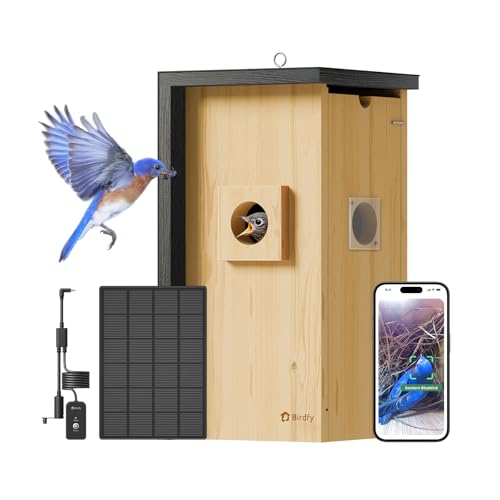
Birdfy Solar Powered Bird House with Camera
Check PriceDirty feeders are the number one cause of disease spread in backyard birds. Every time a bird visits your feeder, it can leave behind droppings, saliva, and feather dust that create a breeding ground for harmful bacteria like Salmonella and E. coli. These pathogens thrive in the moist, food-rich environment of a neglected feeder. According to wildlife disease experts, feeders should be cleaned at least once every two weeks during normal conditions, and weekly during periods of heavy use or wet weather. Use a solution of one part bleach to nine parts water, scrub thoroughly, rinse completely, and allow feeders to dry before refilling. This simple routine dramatically reduces the risk of spreading avian diseases like salmonellosis, which can cause lethargy, fluffed feathers, and death in songbirds. Make cleaning day a regular part of your birding routine—your feathered visitors depend on it.
Overcrowding Birds at Feeders

When too many birds crowd around a single feeder, they’re forced into unnaturally close contact that facilitates disease transmission. Birds jostle for position, defecate near feeding ports, and come into direct contact with sick individuals they might otherwise avoid in nature. This crowding also increases stress levels, which can weaken immune systems and make birds more susceptible to infection. The concentration of birds also means a higher concentration of droppings in the immediate area, creating contaminated zones around your feeders. To prevent overcrowding, consider the carrying capacity of your yard and avoid putting out excessive amounts of food that attracts more birds than your space can healthily accommodate. Spread out your feeding times by offering smaller amounts more frequently, and watch for signs of crowding like aggressive behavior or long wait times. If you’re consistently seeing dozens of birds competing for space, it’s time to add more feeders or reduce the overall amount of food you’re offering.
Using Stale or Moldy Seed

Get our free Hummingbird Attraction Guide! Plus, we'll send you our best tips for attracting more birds to your yard.
Old birdseed isn’t just unappetizing—it can be deadly. Seeds that have been sitting in feeders or storage for too long develop mold, particularly in humid conditions or after exposure to rain and snow. Molds produce mycotoxins that can cause a fatal respiratory disease called aspergillosis in birds, which inflames their air sacs and lungs. Stale seed also attracts fewer birds and more rodents, creating additional disease risks. You can identify problem seed by its musty smell, clumped texture, webbing, or visible mold growth. Seeds should flow freely and smell fresh, not sour or dusty. Store birdseed in airtight containers in a cool, dry location, and buy only what you can use within a month or two. In your feeders, replace seed every few days during wet weather, and don’t top off old seed with fresh—empty completely and clean before refilling. Quality food in good condition is one of the easiest ways to keep your backyard birds healthy and thriving.
Ignoring Fecal Buildup

Bird droppings accumulate quickly beneath feeders, creating contaminated areas where ground-feeding birds forage and where sick birds may rest. These droppings harbor serious pathogens including Salmonella, which can survive in the environment for weeks or even months under the right conditions. Birds that feed on the ground below your feeders are particularly vulnerable because they’re walking through and potentially ingesting these contaminated materials. Diseases like trichomoniasis and avian pox can also spread through fecal matter. The area directly under feeders becomes increasingly toxic over time as droppings pile up, especially during winter when snow and ice preserve the waste. To address this, regularly rake up and dispose of seed hulls and droppings from the ground beneath feeders—at least weekly during heavy use periods. Consider moving your feeders to new locations every few months to prevent long-term contamination of any single spot. Better yet, use platforms or trays that catch debris before it hits the ground, and clean these trays as frequently as you clean the feeders themselves.
Placing Feeders Too Close Together

Even if you’re cleaning individual feeders diligently, positioning them too close together defeats your disease prevention efforts. When feeders are clustered tightly, birds move rapidly between them, cross-contaminating each station and creating a single large congregation point instead of multiple smaller, safer feeding areas. This setup also means that a sick bird can easily spread pathogens across all your feeders in a single visit, multiplying your problem exponentially. Different bird species have different disease vulnerabilities, and proper spacing allows species to self-segregate somewhat, reducing cross-species transmission. Feeders placed too close together also create overlapping contaminated zones on the ground below. Space your feeders at least 10 to 15 feet apart when possible, and consider placing different feeder types in completely different areas of your yard. This strategy not only reduces disease transmission but also decreases territorial aggression and allows more timid species to feed in peace. Think of it as creating multiple smaller restaurants rather than one crowded cafeteria.
Skipping Birdbath Cleaning

While everyone focuses on feeder hygiene, birdbaths are equally important disease vectors that often get neglected. Birds don’t just drink from baths—they bathe in them, washing off parasites, dirt, and yes, fecal matter directly into the water. Sick birds also use baths, leaving behind pathogens that healthy birds then ingest or absorb through their eyes and mucous membranes. Stagnant water in birdbaths becomes a bacterial soup remarkably quickly, especially in warm weather. Diseases like avian pox and conjunctivitis spread readily through contaminated water sources. The solution is simple but requires consistency: change your birdbath water daily, and scrub the basin with a stiff brush at least twice weekly to remove the biofilm where bacteria thrive. Use the same diluted bleach solution you use for feeders, rinse thoroughly, and refill with fresh water. During hot summer months or disease outbreaks, daily scrubbing is ideal. A clean, fresh water source is actually one of the most valuable resources you can offer birds, but only if you maintain it properly.
Feeding During Local Outbreaks

Sometimes the most responsible action is to temporarily stop feeding altogether. When wildlife agencies report disease outbreaks in your area—particularly salmonellosis, conjunctivitis in finches, or avian influenza—continuing to operate feeders can actually worsen the outbreak by maintaining congregation points for sick and healthy birds. Local nature centers, Audubon chapters, or state wildlife agencies typically issue alerts when concerning disease patterns emerge. During these periods, take down all feeders and baths for at least two to four weeks to allow bird populations to disperse and break the transmission cycle. Use this time to thoroughly clean and disinfect all your equipment. This temporary inconvenience can literally save lives by preventing your yard from becoming a disease hotspot. Remember that birds are wild animals perfectly capable of finding natural food sources—your feeders are supplemental, not essential to their survival. When the outbreak subsides and you resume feeding, start slowly and watch carefully for any signs of sick birds like lethargy, swollen eyes, or difficulty flying. Responsible feeding means knowing when to stop.