
Remember when backyards weren’t perfectly manicured Instagram shots, but wild wonderlands where birds showed up? Your grandmother knew something modern gardening catalogs won’t tell you: certain plants are like an all-you-can-eat buffet for our feathered friends.

The Camera Feeder We Use In Our Own Backyard
See Today's PriceHere’s the inside scoop on the plants that’ll transform your yard into a bird paradise faster than you can say “Where did all the cardinals go?”
Save this article for later so you don't lose it. Enter your email and I'll send it to you now—plus you'll get my favorite backyard birding tips delivered to your inbox.
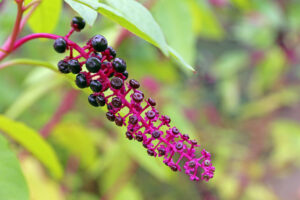
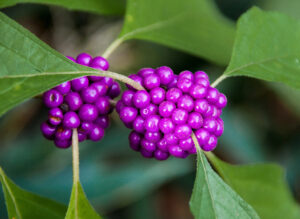
1. That Wild Mulberry Tree Your HOA Hates? Birds Are Obsessed
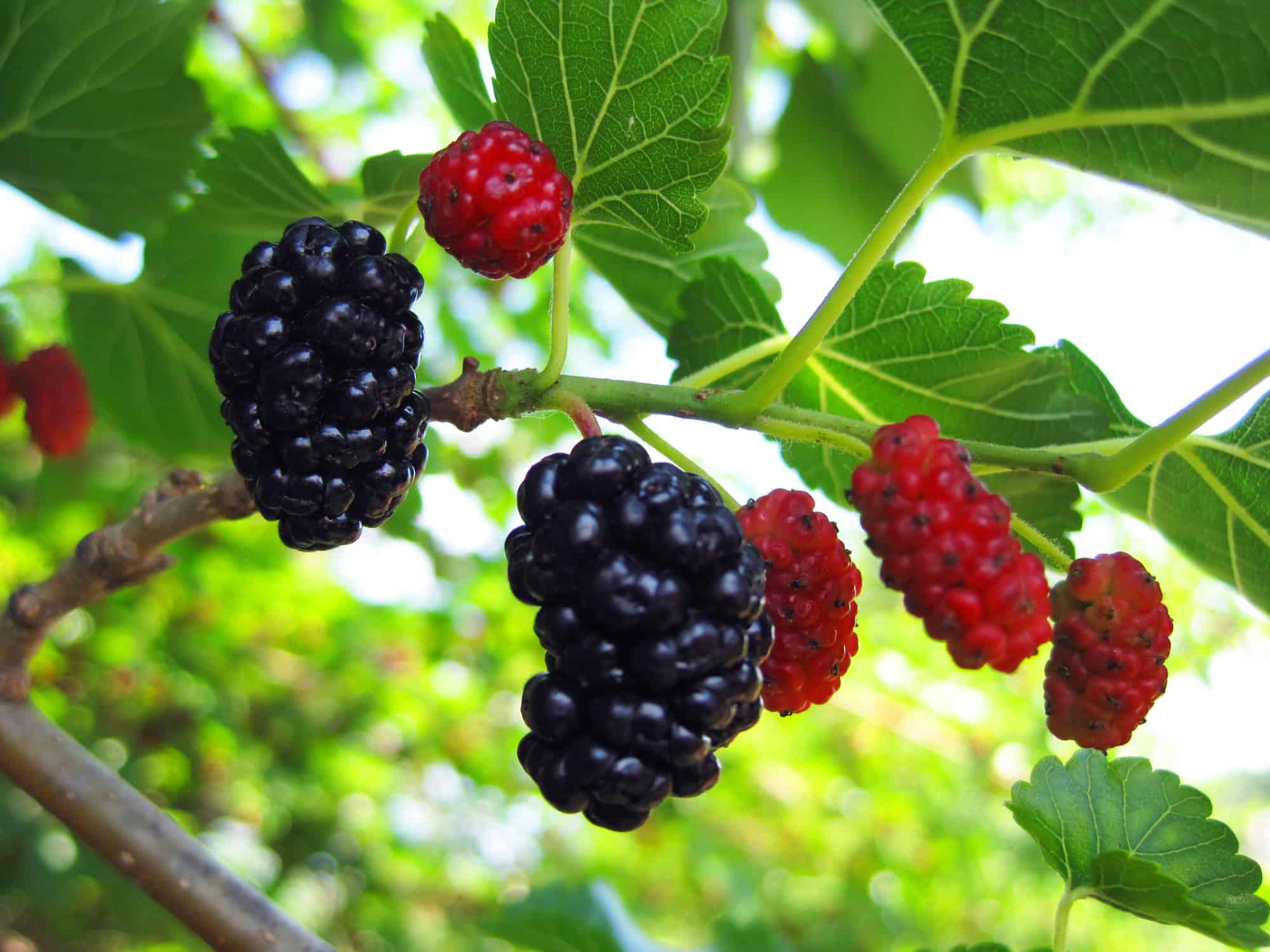
Planting a native mulberry tree, if you live somewhere suitable, is a beautiful thing to do for yourself, and the local wildlife. Just remember that it will often take a while before the trees bear fruit.
2. The Sleeping Beauty Trumpet Vine That Brings Hummingbirds in Droves

The trumpet vine, Campsis radicans, is also known as the hummingbird vine or trumpet creeper. It is a perennial deciduous woody vine native to North America that is also found in scattered locations in both Europe and South America.
Typically, it grows up to 30 feet high, climbing the trunks of trees, power poles, and other supporting structures. It is common in woodlands, especially along woodland edges or creeks and streams where sunlight reaches the ground.
It is easily recognized by its showy, typically red-orange trumpet-shaped flowers. Ruby-throated hummingbirds feed on small insects or nectar from flowers to fuel their active lifestyles.
So, consider planting native nectar-rich and tubular flowers, like trumpet vine, milkweed, ironweed, and prairie clover in your garden to attract these whimsical birds.
3. This $3 Hardware Store Plant Attracts More Birds Than Expensive Feeders
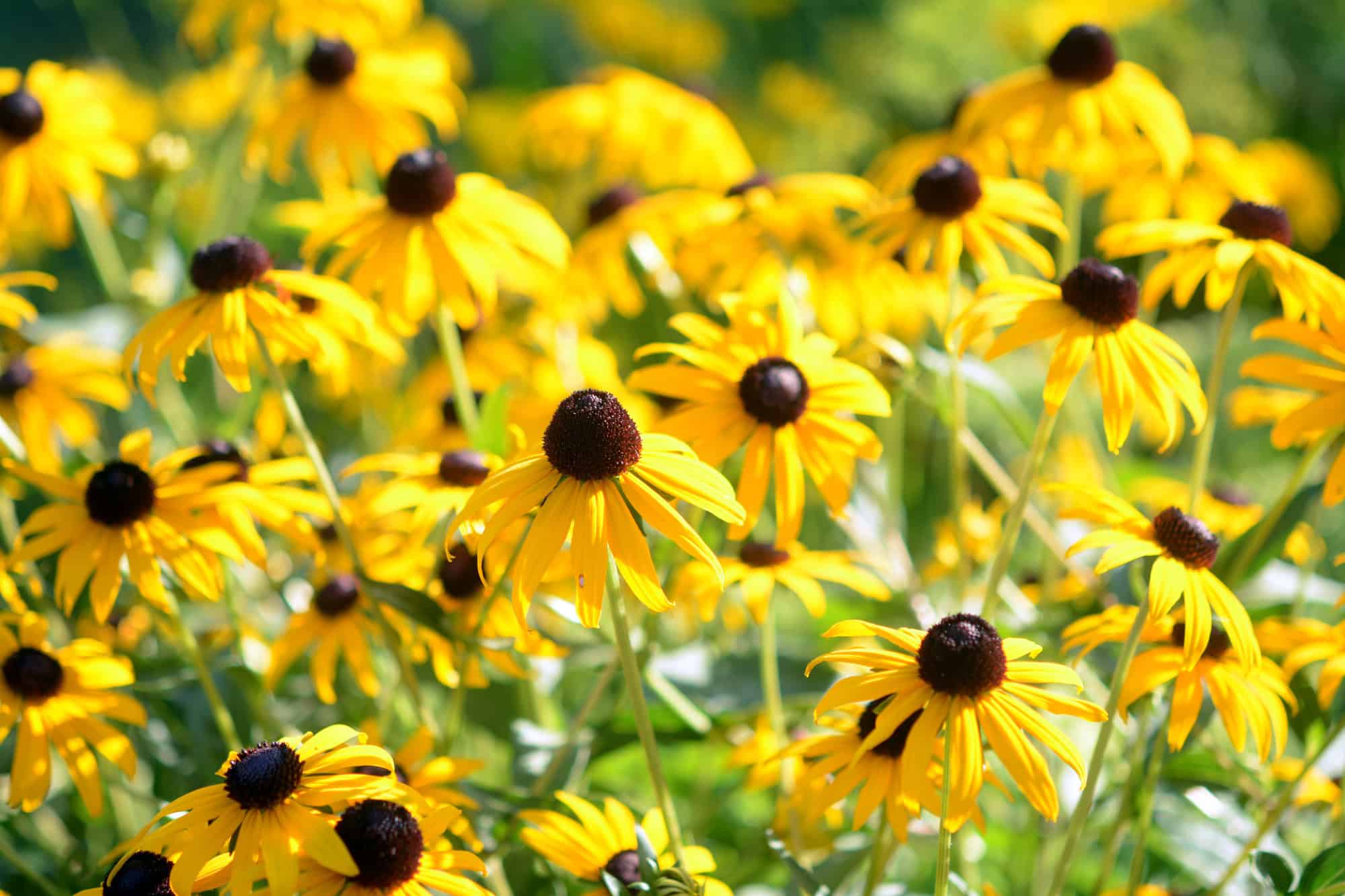
Add black sunflower seeds, striped sunflower seeds, or hulled sunflower seeds to garden bird feeders, or simply plant sunflowers in your garden and let them go to seed. A wide variety of birds will certainly benefit.
4. The Messy Native Berry Bush Your Grandma Swore By

Consider native fruit trees and berry bushes suited to cultivation in your particular area and garden. Growing fruit and berries will provide food sources for local birds and you and will do so in a far more sustainable and eco-friendly way.
Depending on where you live, native cherries, plums, and crabapples are just some fruits that might provide food sources for you and your feathered friends. And, of course, there are plenty of native berry bushes and cane fruits to consider growing depending on the conditions where you live.
5. Why Cardinals Go Crazy for This Forgotten Victorian Garden Favorite
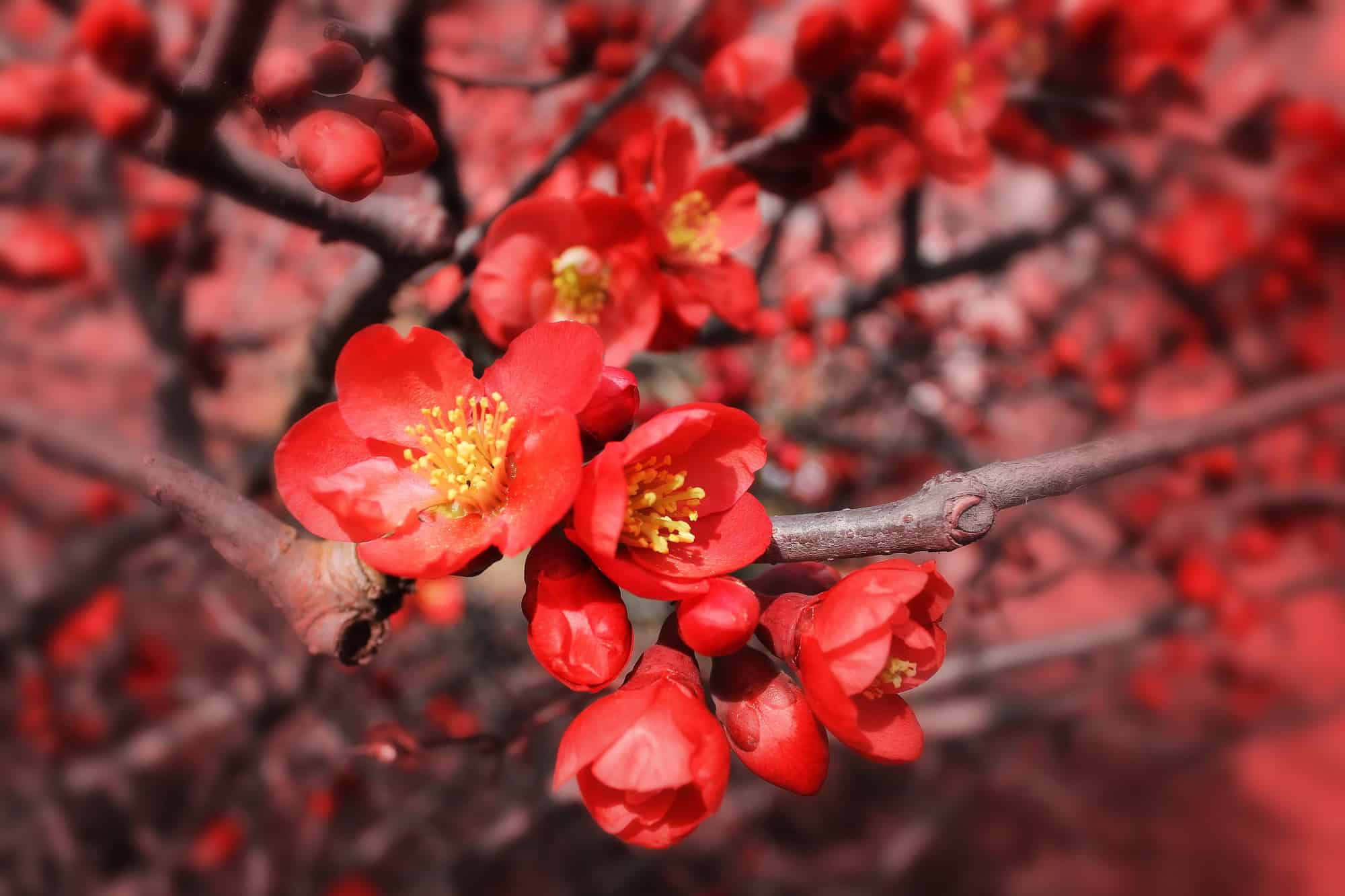
Dogwoods, the favorite plant of cardinals, have white flowers.
So it seems unlikely that red is the predominant color attracting the cardinals. Favorite berry shrubs, such as the dogwood, sumac, or mulberry, will do double duty as they attract cardinals to their fruit (and the seeds inside) while offering shelter.
Get our free Hummingbird Attraction Guide! Plus, we'll send you our best tips for attracting more birds to your yard.
6. The Weed You’re Pulling Could Be a Bird Magnet
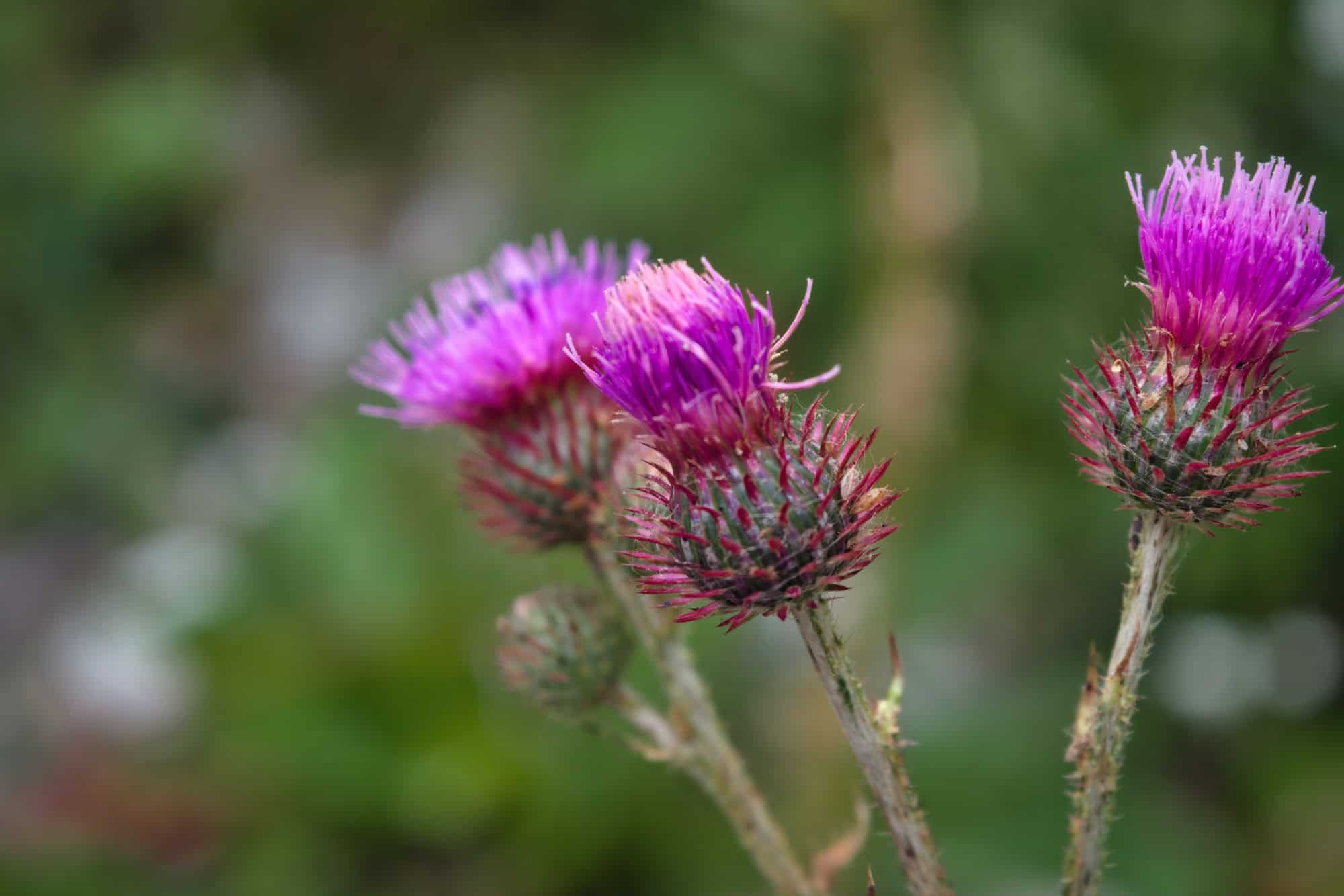
American goldfinches live in weedy fields and clearings. They like to stay close to thistles and similar plants, so you could attract them to your yard by installing a thistle sock.
Fill this bird feeder with nyjer, weed, or sunflower seeds.
7. This “Gas Station Plant” is Actually a Goldfinch’s Dream
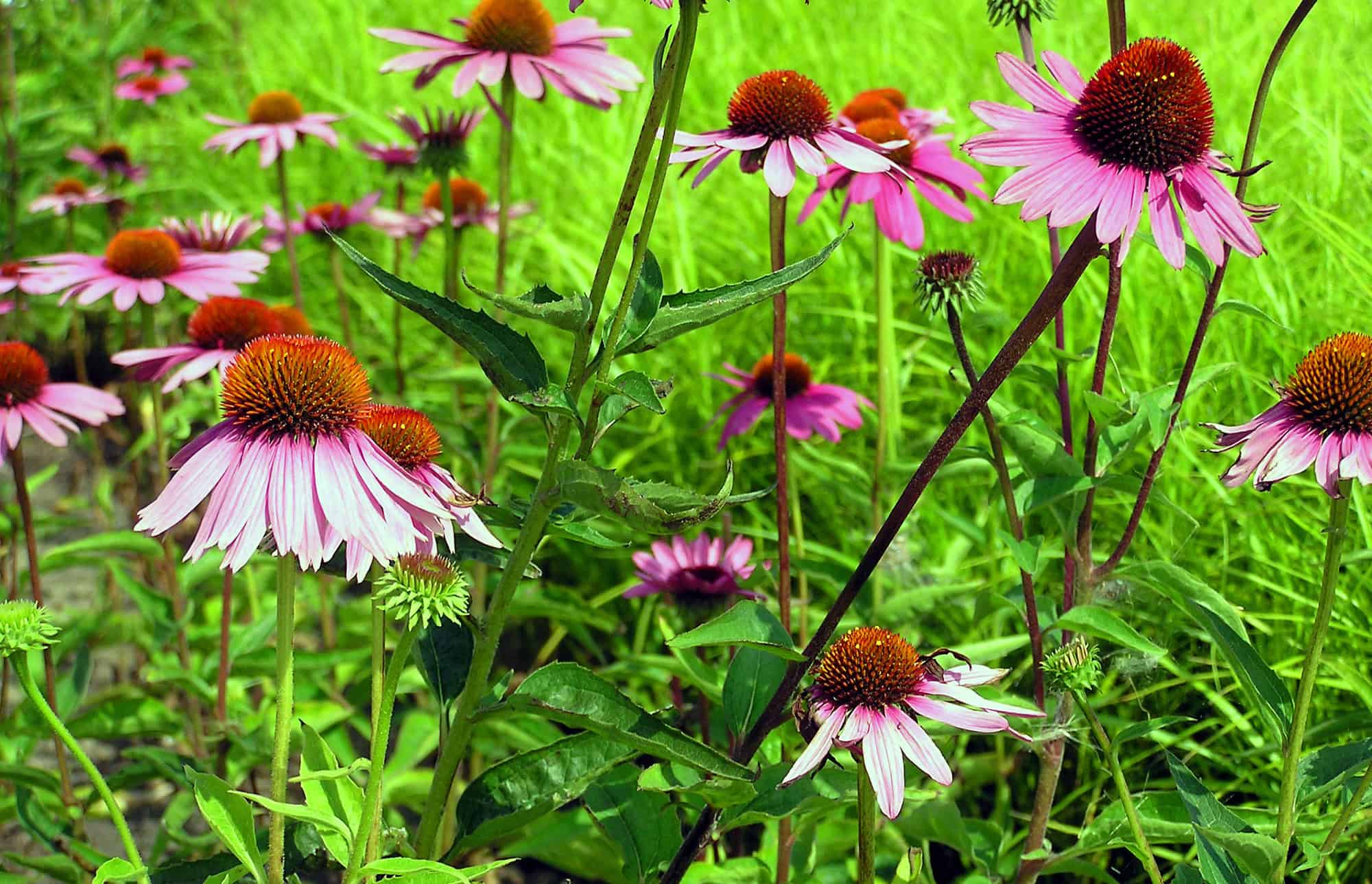
Purple Coneflower (Echinacea) might be ubiquitous, but to goldfinches it’s five-star dining. The seed heads last through winter, providing food when other sources are scarce.
Yes, it’s that same plant behind certain herbal supplements in your medicine cabinet.
8. The $8 Supermarket Plant That’s Better Than Any Bird Bath
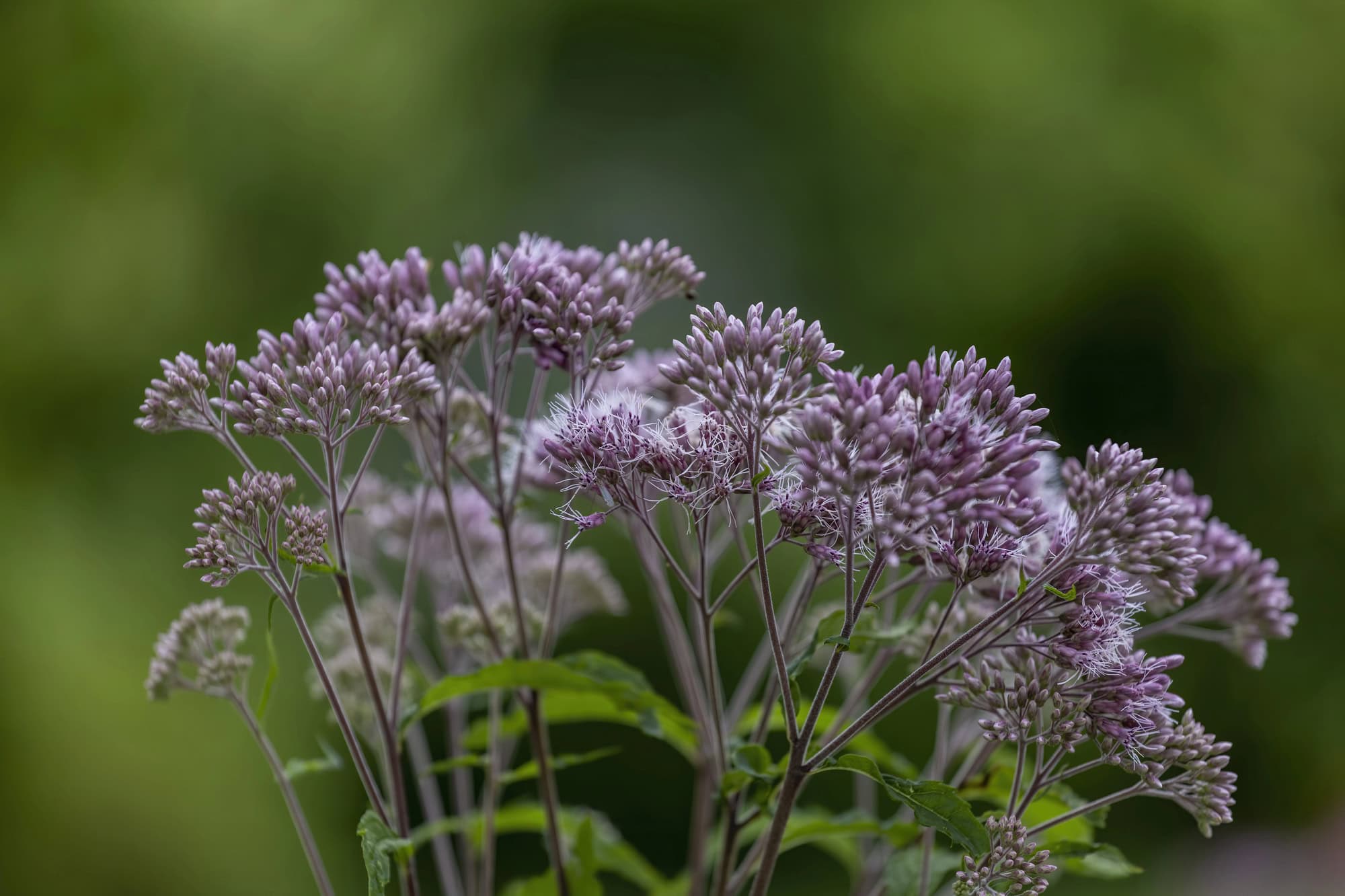
Joe Pye Weed, often tucked away in the garden center’s perennial section, is a butterfly magnet that also supports birds. Its tall stems invite insects (which birds love), and those insects provide a natural buffet.
Think of it as a self-replenishing snack bar for your feathered friends.
9. That Old Pine Tree? It’s Actually a 5-Star Bird Restaurant

You’ll see pine siskins foraging for their main source of food in forests, dangling upside down from pine cones all throughout the year. Keep an eye on thick pine forests or heavily forested park areas.
10. The “Ugly” Fall Flower That Brings Birds All Winter

Sedum ‘Autumn Joy’ might look shriveled by December, but its dried flower heads are actually vital winter food sources for chickadees and juncos. Leave them standing through the cold months, and you’ll see a flurry of bird activity in an otherwise quiet season.
11. This Mediterranean Herb Doubles as a Bird Buffet

Russian Sage isn’t just for Mediterranean-inspired landscapes—it’s a secret weapon for luring in hummingbirds and seed-eating birds. The tubular flowers are hummingbird favorites in summer, and once they go to seed, finches and sparrows show up for fall feasting.
12. The Vine That Makes Your Yard Feel Like a Bird Documentary
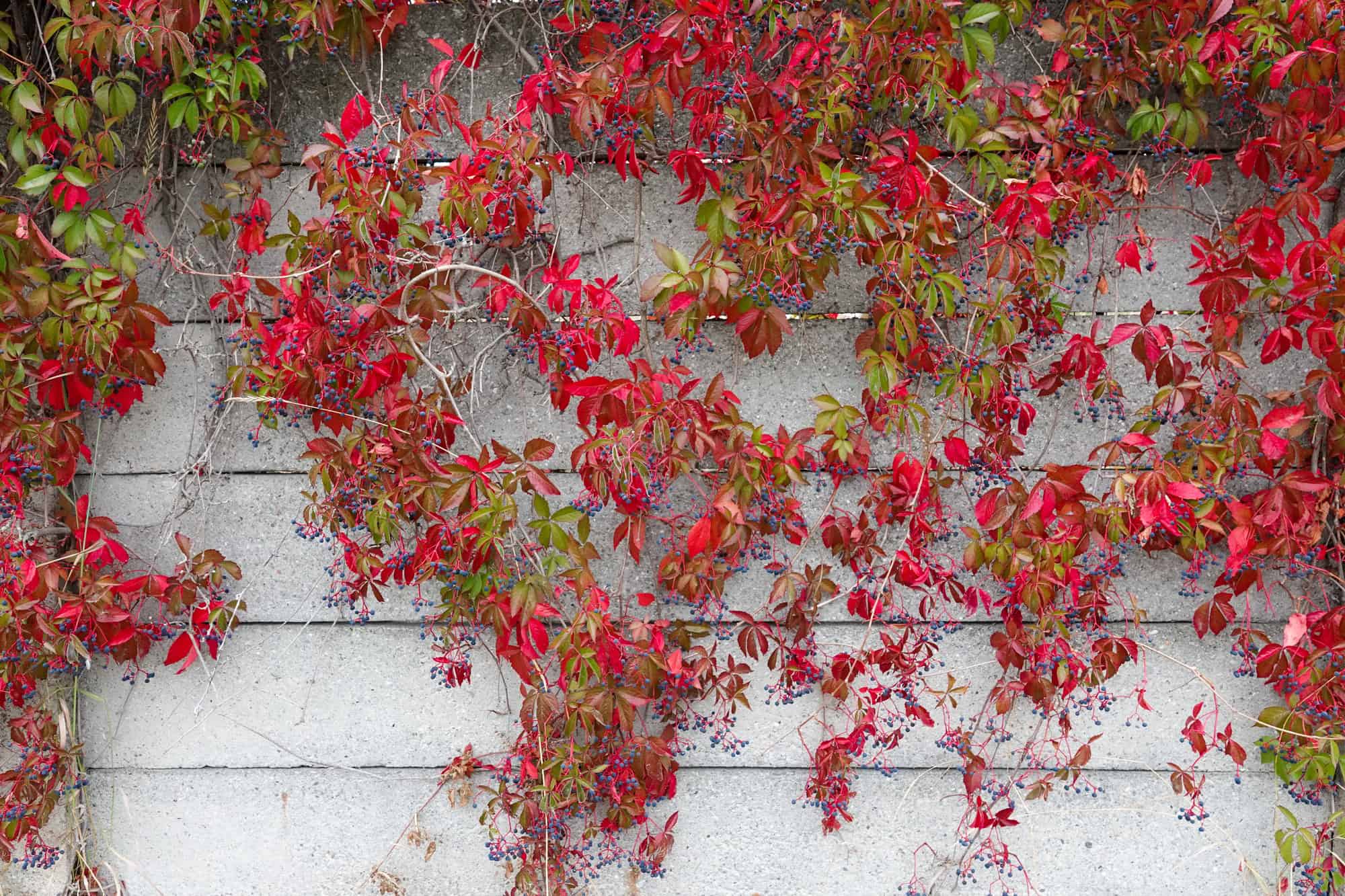
A popular alternate to the trumpet vine is the Cypress Vine (Ipomoea). Like many such plants, it is called by many names including cypress vine morning glory, cardinal creeper, cardinal vine, star glory, or even hummingbird vine.
While it is a tropical plant, it can be grown as an annual in the spring and summer across much of the United States. It is an excellent alternative to the “trumpet vine” described above, especially if you do not want to manage an invasive plant.
The cypress plant must be planted each year. Cypress vines are easily grown from seeds that may be found in garden shops or from online vendors.
13. Why Birds Choose This Humble Ground Cover Over Fancy Feeders

Wild strawberry might look like a lawn invader, but robins and thrushes know better. These ground covers create a living carpet that attracts insects and produces tiny berries, turning your yard into a hidden treasure trove for ground-feeding birds.
14. The “Messy” Native Grass That’s Actually a Bird Paradise
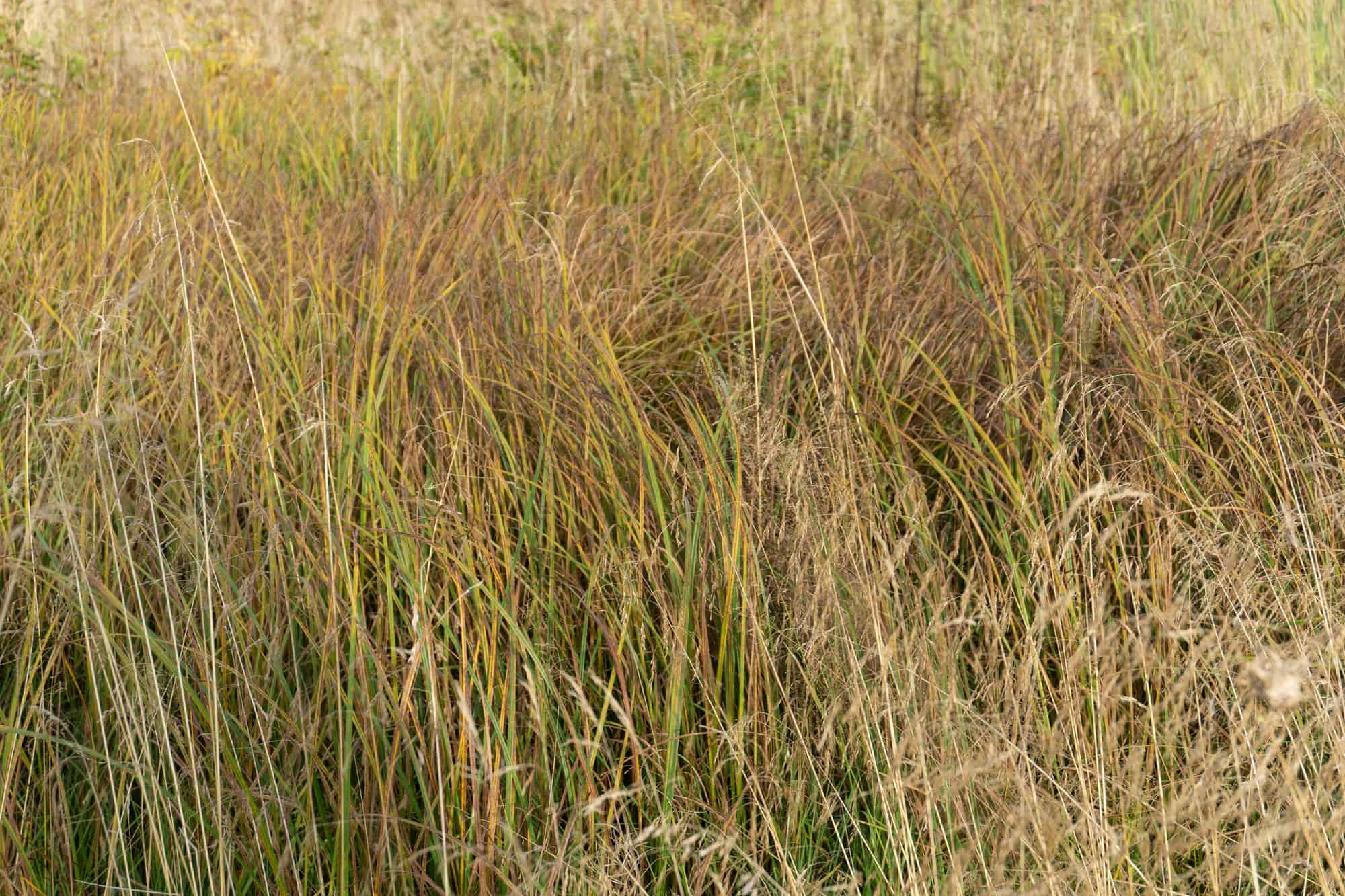
Little Bluestem may look untidy to some, but it’s vital for native birds. This prairie grass offers seeds through winter and provides crucial nesting material in spring.
It’s also drought-tolerant, making it a low-maintenance way to support wildlife.
15. This “Grandmother Plant” is a Secret Warbler Magnet
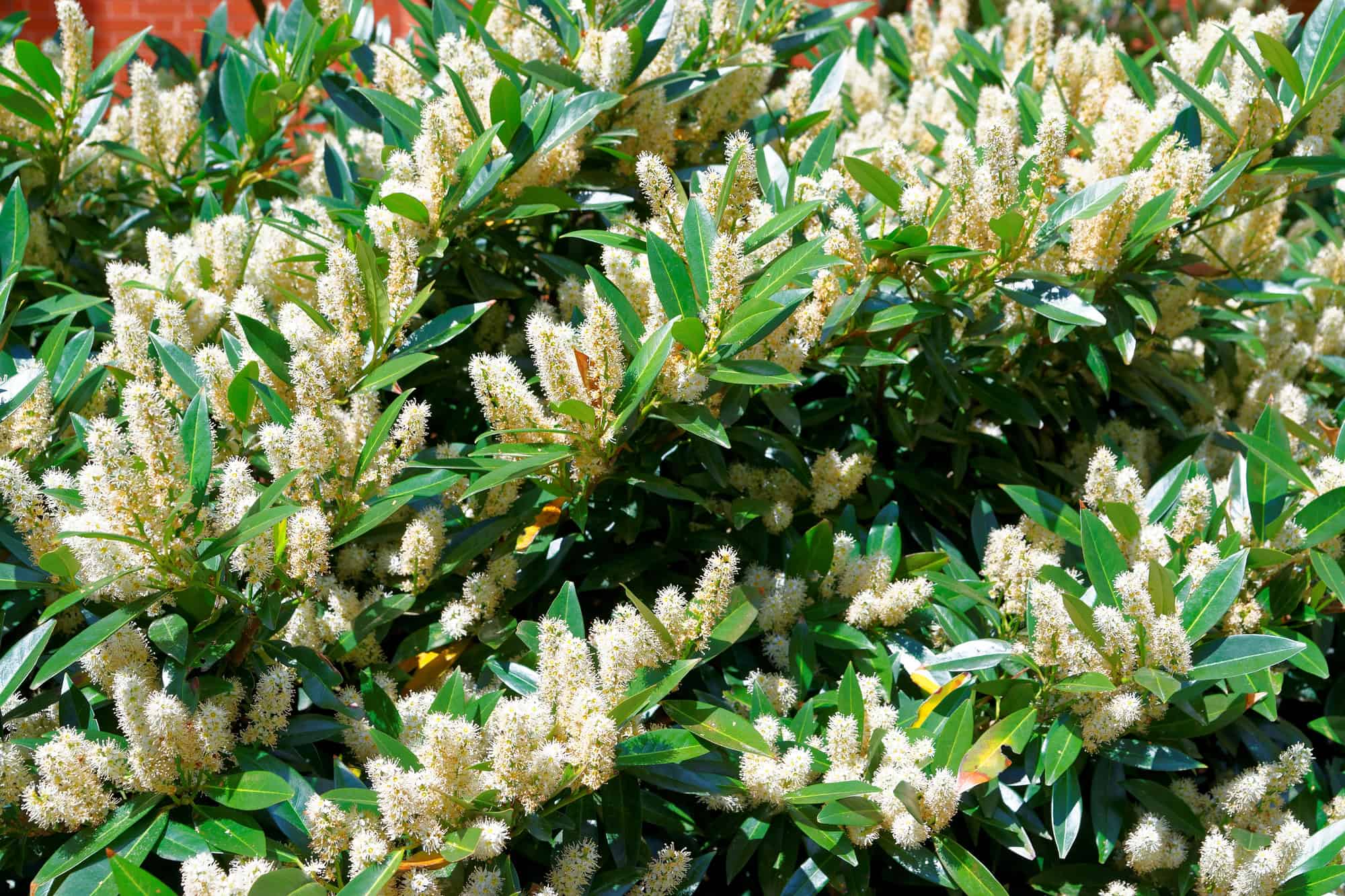
Virginia Sweetspire may sound like a romantic relic from old Southern gardens, and it is—but that doesn’t mean it’s outdated. This native shrub features drooping flowers that attract insects, which in turn lure warblers and other insectivorous birds.
Plant it near a window for front-row migration season entertainment.
Plants that actually pull birds in
| Plant | What our writers say |
|---|---|
| Native mulberry | Takes a while to fruit; worth it for wildlife |
| Mulberry fruit | Attracts cardinals and offers shelter |
| Trumpet vine | Campsis radicans, to 30 feet, red-orange flowers |
| Sunflowers | Plant them and let them go to seed |
| Native fruit | Cherries, plums, crabapples, and cane berries |
| Dogwood | A favorite of cardinals; white flowers, not red |
| Thistle | Goldfinches stay close; a thistle sock with nyjer helps |
| Pine cones | Pine siskins hang upside down for seeds |
| Cypress vine | Annual alternative to invasive trumpet vine |
📷 Show us your feeder setup! Share a few photos of your feeders and you might be featured on Wild Bird Scoop. Share your setup →