


Your garden’s mulch layer might be doing more harm than good when it comes to supporting beneficial insects. While mulching is a time-honored gardening practice, new research suggests that specific mulching approaches could be creating unexpected challenges for the insects that help keep our gardens healthy and thriving.

Bring Woodpeckers & Nuthatches To Your Yard
Check PriceThe Mulch Dilemma
I’ve spent years observing gardens and talking with fellow enthusiasts, and one thing has become increasingly clear: not all mulch is created equal. According to Penn State Extension, many beneficial insects and other invertebrates struggle to navigate through heavy wood chip mulches, which can create an impenetrable barrier between these helpful creatures and the soil they need to access for survival.
Save this article for later so you don't lose it. Enter your email and I'll send it to you now—plus you'll get my favorite backyard birding tips delivered to your inbox.
The problem isn’t just about blocking access – it’s about creating an environment that may actively discourage beneficial insects from establishing themselves in your garden. Think of it as accidentally putting up a “No Vacancy” sign for the very creatures you want to attract.
Understanding the Impact
When we layer our gardens with thick wood mulch, we’re inadvertently creating several challenges for beneficial insects. The Xerces Society, a leading invertebrate conservation organization, has found that ground-nesting bees, predatory beetles, and other helpful insects require specific soil conditions and access points that certain mulching practices can disrupt.
These beneficial insects serve as nature’s pest control squad, helping to maintain the delicate balance in our gardens. When we make it difficult for them to establish homes and hunting grounds, we’re essentially removing our garden’s first line of defense against harmful pests.
Better Mulching Practices
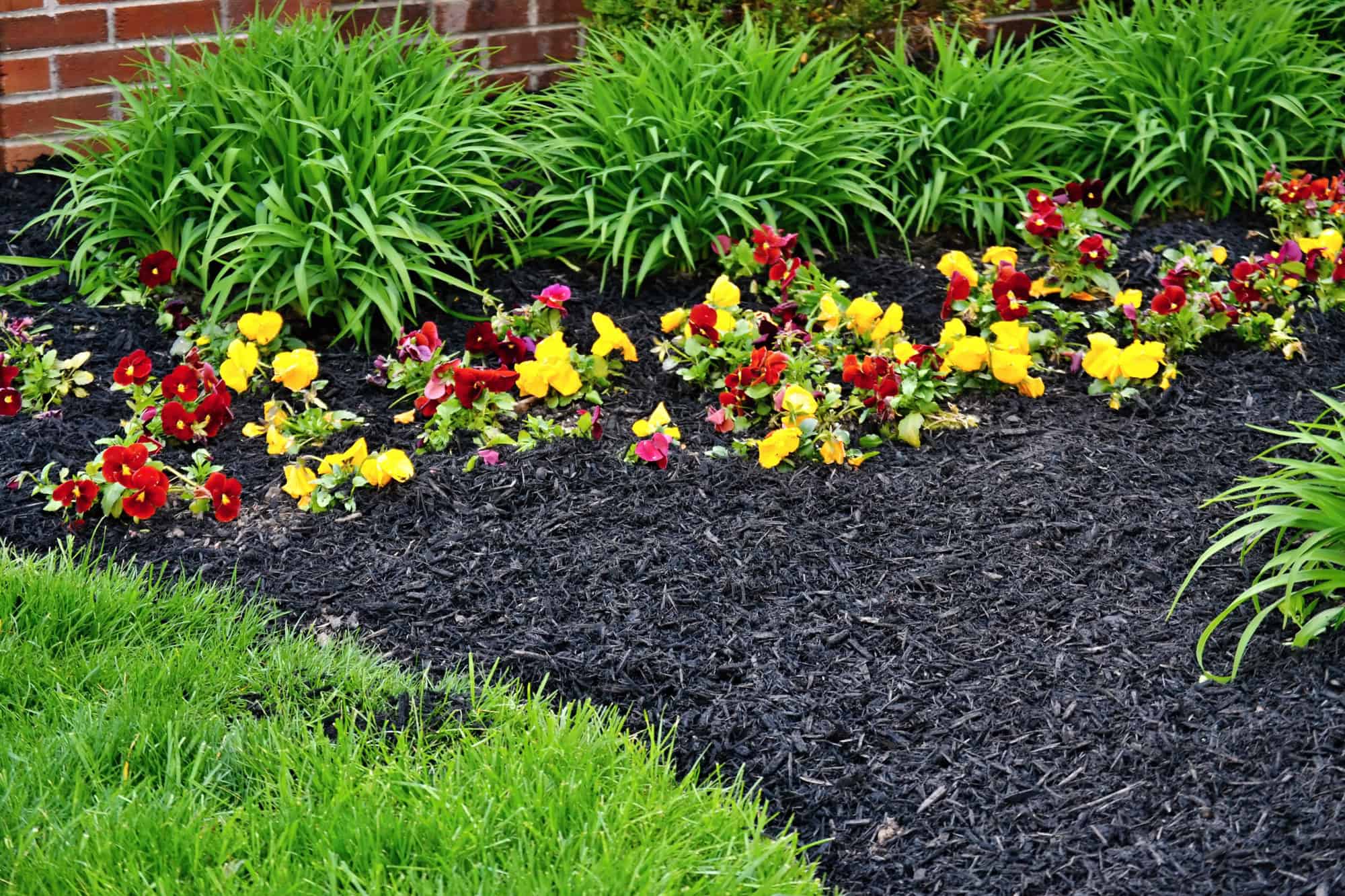
The good news is that we can adjust our mulching practices to better support beneficial insects while still maintaining healthy gardens. Here’s how:
Get our free Hummingbird Attraction Guide! Plus, we'll send you our best tips for attracting more birds to your yard.
Consider switching to leaf mold or compost as an alternative to wood chips. These materials provide similar benefits to traditional mulch while creating a more hospitable environment for beneficial insects. They break down more easily and allow insects to move freely between the soil and surface.
When applying any type of mulch, avoid creating thick, compressed layers. Instead, aim for a lighter application that allows for some bare soil patches – these spaces serve as essential entry points for ground-dwelling beneficial insects.
Timing matters too. Consider leaving some areas of your garden unmulched during key periods when beneficial insects are most active. This approach creates a mosaic of habitats that can support diverse insect populations while still protecting your plants.
Making the Transition
Transitioning to insect-friendly mulching doesn’t mean abandoning mulch altogether. Instead, it’s about finding the right balance. I’ve found that combining different approaches – using leaf mulch in some areas while leaving others more open – creates the most dynamic and healthy garden ecosystem.
Remember that beneficial insects need varying habitats throughout their life cycles. By diversifying your mulching approach, you’re creating multiple microenvironments that can support different species at different times.
Looking Forward
As we continue to understand more about the complex relationships between gardening practices and beneficial insects, it’s clear that small changes in how we mulch can have significant impacts on garden health. The goal isn’t to eliminate mulching – it’s to mulch smarter.
Consider your garden as an ecosystem rather than just a collection of plants. When you provide the right conditions for beneficial insects to thrive, you’re investing in natural pest control, better pollination, and a more resilient garden overall.
By making thoughtful choices about our mulching practices, we can create gardens that not only look beautiful but also support the countless beneficial insects that make our gardens truly flourish. After all, a garden that works with nature, rather than against it, is more likely to thrive in the long run.
📷 Show us your feeder setup! Share a few photos of your feeders and you might be featured on Wild Bird Scoop. Share your setup →





