

Tired of your bird feeder attracting nothing but house sparrows and pigeons? If you’re dreaming of seeing cardinals, goldfinches, and blue jays, the secret isn’t more feeders—it’s smarter choices.

The Camera Feeder We Use In Our Own Backyard
See Today's PriceMany well-meaning bird lovers make a few common mistakes that keep the most desirable birds away. The good news is that turning your yard into a five-star avian restaurant is easy once you know what they truly want.
Save this article for later so you don't lose it. Enter your email and I'll send it to you now—plus you'll get my favorite backyard birding tips delivered to your inbox.
And believe it or not, it might start with how you’re cleaning your birdbath. Read on to find out.
Ditch the Cheap Mixed Seed

Most cardinal seed packages will include a mixture of safflower and sunflower seeds. Some mixes will also include cheap filler ingredients like milo and white millet, but they ultimately don’t do much to attract birds to your backyard.
While some birds will eat them, skip these ingredients if you’re mixing your own birdseed. Black oil sunflower seeds attract the widest variety of birds including cardinals, chickadees, and nuthatches.
Nyjer seeds are perfect for finches and siskins. Safflower seeds deter squirrels while attracting cardinals and chickadees.
For hummingbird feeders, use a simple recipe of 1 part white sugar to 4 parts water – never use honey, artificial sweeteners, or red dye. Suet cakes work well in window suet feeders during cooler months.
Avoid seed mixes with filler ingredients like milo and cracked corn that most birds ignore. Blackbirds are attracted to corn, sunflower seeds, millet, and milo seed.
Many store bought bags of seed that are mixed have one or more of these blackbird yummies. The solution is to buy single-product seed, such as mealworms only or thistle only.
If you don’t want to fill your feeders with a single seed, purchase safflower seed to mix with it. Blackbirds are not keen on safflower seeds and will not hang around if it’s there.
Luckily, a number of songbirds do enjoy safflower, so it’s really a win-win!
Use Feeders at Different Heights

Cardinals prefer a bird feeder that is close to natural cover. Smaller trees and shrubs offer protection at the feeders and on the ground.
Ground-level feeders are their favorite. They will also feed at pole-mounted and hanging feeders, which you can encourage with varying levels of cover plants.
A good general rule for bird feeders is to place them at eye level, or around five feet. Orioles, however, prefer their feeders to be a bit higher.
Get our free Hummingbird Attraction Guide! Plus, we'll send you our best tips for attracting more birds to your yard.
After all, they spend their days in the treetops, where they feel the safest.
Plant Native Flowers, Not Just Pretty Annuals

Herbaceous Plants (perennials, biennials, and annuals). Flowers draw in pollinators and other beneficial insects that birds like to eat.
You should aim to plant as rich diversity as possible, so you have flowers in bloom for as long as possible. Grasses and flowering plants that set seeds can provide a bounty of sustenance for seed-eating bird species… and more.
Ideally, it is best to provide hummingbirds with native plants and a wildlife-friendly garden for food. Hummingbirds will appreciate the insects and will also love native nectary plants.
Consider planting, for example, Lobelia, Cardinal flower, Eastern columbine, and bee balm. Brightly-colored tubular flowers are among those that hummingbirds will love.
Clean Your Birdbath the Right Way

The National Audubon Society recommends washing your bird bath with a solution that’s nine parts water and one part vinegar.
Changing the water in your birdbath every few days is a good idea to keep it clean and fresh. If you live in an area with hard water, you may need to change the water more often to prevent mineral buildup.
Add Moving Water

Of course, birds need water to drink, and for bathing. But many birds are also attracted to water due to the insect life it attracts.
And many species will also be drawn to a space by the sounds of running or moving water. First, provide a source of fresh water.
Hummingbirds are attracted to moving water, so consider installing a small fountain or waterfall. You can also simply hang a birdbath in your yard and change the water regularly.
Anything that creates the sound of water will work as a magnet as birds are attracted to water because, just as we do, they depend on it for survival.
Create a Messy Corner
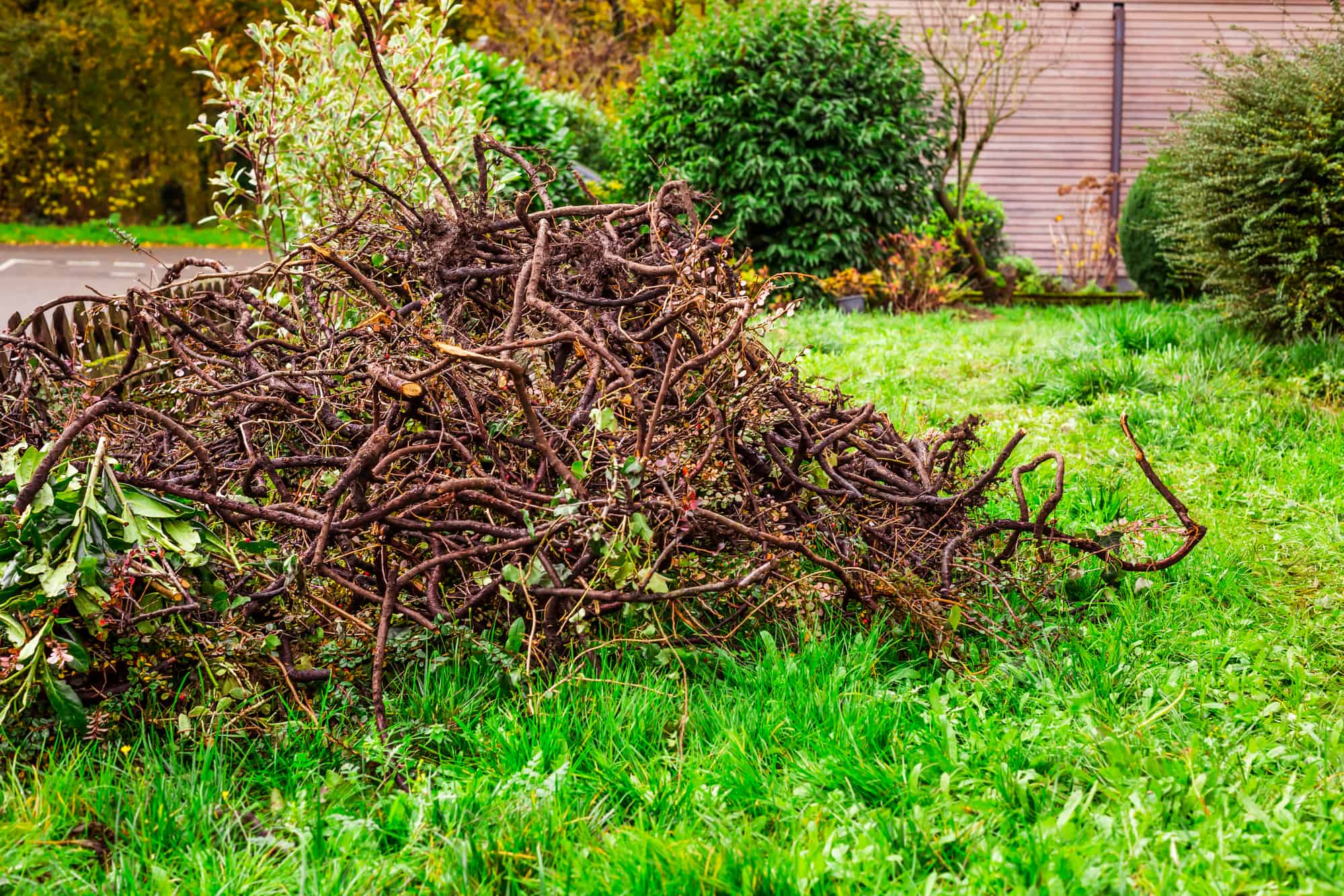
Birdhouses can provide birds with cover. Building a birdhouse can be a fun activity for a rainy day, but leaving a brush pile or messy garden in your yard is a cheaper and easier option.
Wrens are some of the most endearing of all backyard birds, and you can encourage them to visit your home by offering them a scruffy corner of the garden, full of weeds and brush piles where they’ll love foraging for insects and invertebrates.
Place Feeders Where You Can See Them

If you keep a feeder right outside your window where you can see it from your couch, desk, or kitchen, it makes bird watching effortless. It can also improve the safety of your feathered backyard companions.
While it may seem counterintuitive, using a window feeder can actually reduce window collisions in your yard. The National Audubon Society recommends using window feeders as a way to reduce collisions.
Some research has shown that window feeders and feeders placed close to windows actually lead to fewer collisions. If you have red flowers or flowers that produce nectar, place your feeders nearby to help the hummingbirds find them.
You can also place your hummingbird feeders either very close to a window for viewing or at least five feet away. These two positions protect the hummingbirds from window strikes.
Don't Clean Up Your Garden in the Fall

You should plant seeds that birds can eat and not cut back or prune too zealously so that plants can go to seed and provide a natural food source. You should also plant to encourage a wide range of insect species in your garden that many birds like to eat.
Frequently Asked Questions (FAQ)
1. How do I stop squirrels from eating all the seed?
Use hummingbird feeders with your own homemade nectar solution: four parts water to one part sugar. Don’t use red dye, as there are concerns regarding the safety of red food coloring.
Replace the solution every 3-5 days. You may need to replace the sugar water more frequently during hot weather.
Many hopper bird feeders have a covering to protect the seeds and the birds and ledges or additional perches for the birds’ comfort. They also frequently have squirrel-resistant features, like spring-loaded perches that drop squirrels to the ground or seed doors that will close when something too heavy to be a bird stands on the feeder.
2. What specific seeds attract which birds? A quick guide:
- Black-Oil Sunflower: The #1 crowd-pleaser. Attracts cardinals, chickadees, nuthatches, and finches.
- Nyjer (Thistle) Seed: A tiny seed specifically for finches like American Goldfinches and Pine Siskins. Use a special thistle feeder with small ports.
- Safflower Seed: A white seed loved by cardinals, grosbeaks, and doves. Most squirrels, grackles, and starlings dislike it.
- Suet: High-fat cakes that are essential for woodpeckers, nuthatches, and wrens, especially in winter.
- Cracked Corn: Best for ground-feeding birds like doves, juncos, and quail. Offer it in a separate, low-to-the-ground feeder to avoid attracting unwanted pests to your main feeder.
3. Is it okay to use red dye in my hummingbird nectar?
4. I just put up a new feeder and no birds have come. What’s wrong?
Secrets of a bird-heavy yard
| Spec | What our writers say |
|---|---|
| Skip in cheap mixes | Milo, white millet, and cracked corn |
| Better seed | Black oil sunflower, safflower, or a single-product bag |
| Feeder height | Ground, pole, and hanging; eye level is about five feet, orioles a bit higher |
| Native flowers | Bloom as long as possible; include seed-setting grasses |
| Birdbath clean | Nine parts water to one part vinegar; change the water every few days |
| Moving water | Fountain, waterfall, or a solar fountain; birds come for the sound |
| Messy corner | A brush pile or scruffy weedy corner for wrens |
| Where you can see them | Right outside a window, or at least five feet from glass |
| Fall cleanup | Do not cut back so hard that plants cannot go to seed |
| Hummingbird nectar | Four parts water to one part sugar, no red dye, replace every 3-5 days |
📷 Show us your feeder setup! Share a few photos of your feeders and you might be featured on Wild Bird Scoop. Share your setup →





