

Want to turn your backyard into a bustling bird sanctuary all year long? The best advice is often the simplest—the kind of wisdom your grandmother would have shared.

The Camera Feeder We Use In Our Own Backyard
See Today's PriceIt’s not about expensive gadgets; it’s about consistency, a little bit of shelter, and knowing what birds truly need. Ready to learn the secret to keeping your feeders busy and how your breakfast leftovers can help birds lay stronger eggs?
Save this article for later so you don't lose it. Enter your email and I'll send it to you now—plus you'll get my favorite backyard birding tips delivered to your inbox.
Let’s dive in.
Keep Feeders Full and Clean

Are Hummingbirds Emptying Your Feeder Too Fast? It is great to have lots of activity going on around your feeders!
Their busy lives keep us pretty busy looking after the feeding stations we put out for them. Here are some ideas for how to keep your feeders full and clean.
Hummingbird species are smart little creatures, and they learn quickly. If they see you as a source of food, they may become insistent that you refill their feeders.
The good news is that it’s not terribly difficult to clean your feeders. Make it a habit to keep your feeders clean and you will end up providing safe, reliable food to your neighborhood birds.
Plant Sunflowers and Leave the Seed Heads

So, add black sunflower seeds, striped sunflower seeds, or hulled sunflower seeds to garden bird feeders, or simply plant sunflowers in your garden and let them go to seed. A wide variety of birds will certainly benefit.
Annual sunflowers grow well in a sunny location with fertile, moist, yet reasonably free-draining soil. There are several different sunflowers, from giant sunflowers to much smaller dwarf sunflowers.
Many grow just a single flowering head on each plant, while there are also multiple-flowered cultivars to consider. However, if you yourself do not harvest the seeds from your sunflowers, the seed heads, left in place, will attract a range of other insect-eating birds, such as American goldfinches and northern Cardinals, for example.
A Brush Pile Within 20 Feet Gives Cover
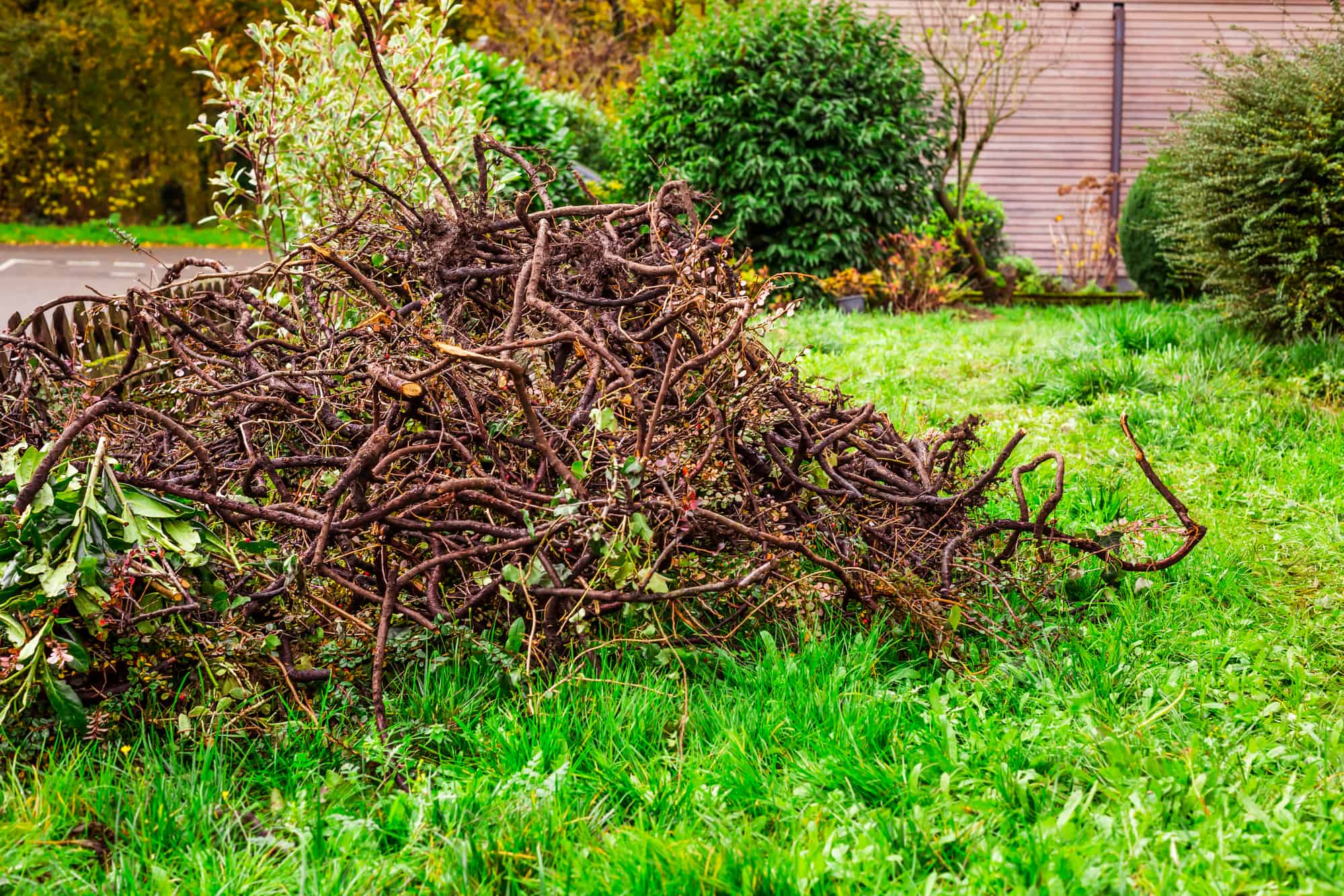
If there are no trees within 20 feet of your feeder, then a pile of brush will serve as a place for birds to take refuge to hide from predators and for rest, while they wait their turn at your feeder. You can also build a brush pile close to the ground feeder as a weather barrier and for a place the wild birds can flee to in case of a predator.
Heated Birdbaths Keep Winter Water Open

When the weather turns cold, it’s important to take steps to protect your birdbath from freezing over. A frozen birdbath can be a death sentence for birds, who need a place to drink and bathe during the winter.
Option 3: Invest in a heated birdbath. Heated birdbaths are specifically designed to keep the water from freezing over.
They come in various styles and price points, so you’re sure to find one that fits your needs. Just be sure to read the reviews before making your purchase.
Get our free Hummingbird Attraction Guide! Plus, we'll send you our best tips for attracting more birds to your yard.
A birdbath heater is a safe way to access water all winter long. Some birds will migrate south for the winter, but plenty of bird species spend all year in one general location.
These birds will absolutely use a heated bird bath! Providing a fresh water source is another overlooked component of a bird’s habitat.
A birdbath with fresh, cool water in the summer and unfrozen water in the winter is always appreciated. Make sure to wash your bird baths regularly to avoid bacteria buildup and reduce disease spread.
Rinse and Bake Eggshells for Calcium

Birds can eat eggshells as they are, but many bird feeders will choose to rinse and bake them until they are dry to sterilize them and make them crumble up more easily. Some birds that will come to feed on eggshells as a source of calcium when these are left out in a garden include bluebirds, gnatcatchers, orioles, tanagers, kingbirds, and swallows, for example.
Woodpeckers and Nuthatches Cling to Suet

Woodpeckers love suet, as do birds like nuthatches and chickadees. It’s very high in fat content, so it gives birds a lot of energy to power through cold weather and days when food is scarce.
Suet feeders can also be hung from poles or other structures, or a tree in your garden. The idea is that birds can access the suet by clinging to the feeder and accessing the suet from the base.
When you’re thinking about where to place a suet feeder, you shouldn’t only think about where to place it but also how you will hang or contain the suet mix.
Birds Use Mud to Build Nests

Wild birds will also use birdbath water to make mud to build their nests in the spring, and some people believe bathing gives birds relief when they are molting. Blue jays make their nests out of roots, small sticks, leaves, moss, and grass and may reinforce them with mud.
The female blue jay does most of the building, but the male may assist her.
Keep Cats Indoors or On a Leash

The best, safest, and in many municipalities, most lawful method of keeping birds safe from cat attacks is to keep cats indoors and provide a protected outside area for cats to enjoy the outdoors in. If you own a cat, keep it inside or on a leash.
While most damage is caused by community or feral cats, you can still do your part to control your cat and protect the birds in your yard. As a cat owner, you can keep your cat inside or supervised at all times.
While your cat may enjoy meandering outdoors on occasion, these animals are hunters by nature.
Turn Off Night Lights to Prevent Collisions
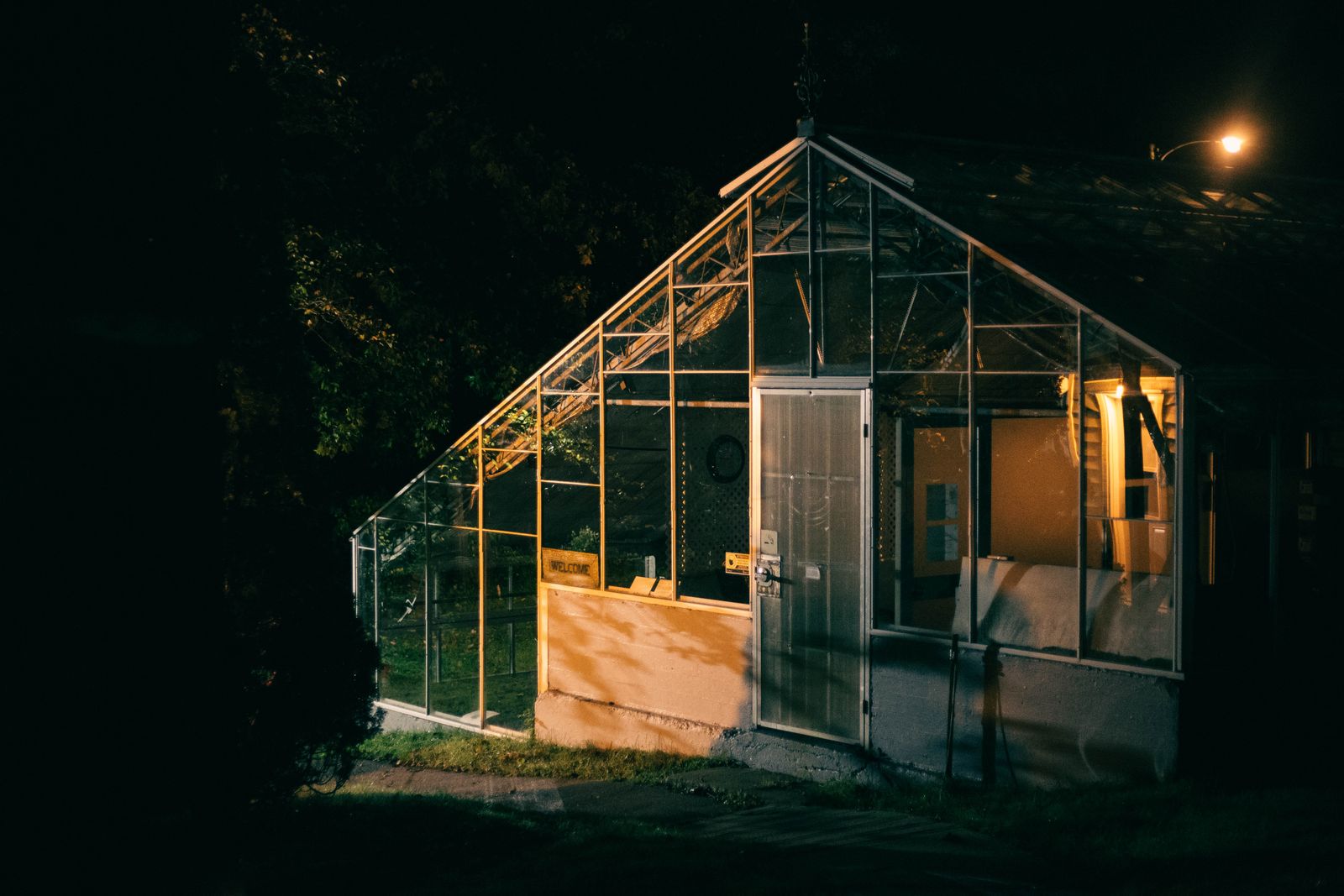
Migrating wild birds often become disoriented by artificial building light, wasting energy and sometimes colliding with buildings. Turning off your indoor and outdoor lighting at night is one way you can help birds as they move through your area.
Street lights at night in big cities can cause bird fatalities by disorientating birds, causing them to waste energy and collide with buildings, especially on their migration paths.
Let a Corner of Your Yard Go Wild

That corner where you “forgot” to mow is a paradise. When native grasses and “weeds” like thistle go to seed, they become a natural, ever-changing buffet for finches, sparrows, and juncos.
When your neighbors ask, just tell them it’s your designated “wildlife habitat area.” Your lazy lawn care is actually expert-level bird feeding.
Clean Feeders and Move Them Within 3 Feet of Windows
1. Will feeding birds make them lazy or stop migrating?
Bird-feeding risks can be reduced by cleaning feeders and the discarded seeds below them frequently, moving feeders to within three feet of windows and covering windows with protective decals to limit collisions, and taking feeders down if predators like cats or hawks begin to stake them out, putting songbirds at a disadvantage.
2. How often should I clean my bird feeders and bath?
3. How can I stop bigger birds like grackles and starlings from taking over?
4. What can I do to prevent birds from hitting my windows?
What keeps backyard birds coming back
| Spec | What our writers say |
|---|---|
| Sunflower seed types | Add black sunflower seeds, striped sunflower seeds, or hulled sunflower seeds to garden bird feeders |
| Unharvested seed heads | Leave sunflower seed heads in place; they attract American goldfinches and northern Cardinals |
| Sunflower site | Annual sunflowers grow well in a sunny location with fertile, moist, yet reasonably free-draining soil, from giant to dwarf, single-headed or multiple-flowered |
| Cover distance | If there are no trees within 20 feet of your feeder, a brush pile gives birds a place to hide from predators and rest while they wait their turn |
| Ground-feeder brush pile | Build a brush pile close to the ground feeder as a weather barrier and a place wild birds can flee if a predator appears |
| Winter water | A frozen birdbath can be a death sentence; a heated birdbath keeps water from freezing for species that spend all year in one location |
| Eggshell prep | Rinse and bake eggshells until they are dry to sterilize them and make them crumble more easily |
| Who eats eggshells | Bluebirds, gnatcatchers, orioles, tanagers, kingbirds, and swallows come for eggshells as calcium |
| Suet | Woodpeckers, nuthatches, and chickadees cling to suet hung from poles, other structures, or a tree and access the high-fat mix from the base |
| Blue jay nest | Blue jays build with roots, small sticks, leaves, moss, and grass and may reinforce with mud; the female does most of the building |
| Cats | Keep cats indoors or on a leash, or supervised at all times; many municipalities treat this as the most lawful way to stop cat attacks |
| Windows and lights | Move feeders to within three feet of windows, cover windows with protective decals, and turn off indoor and outdoor lighting at night so migrants are not disoriented |
Helping birds return during migration
Because bird migration is an arduous task for our feathered friends, they need to make lots of fuel stops.
Over the course of time, birds seem to learn and remember where the abundant sources of food are located along their flight path.
From our Migratory Birds & Flyways.
📷 Show us your feeder setup! Share a few photos of your feeders and you might be featured on Wild Bird Scoop. Share your setup →





